Can life begin on a moon without a sun? - Phys.org
2/14/26 at 5:39am

Free-floating planets, or as they are more commonly known, rogue planets, wander interstellar space completely alone. Saying there might be a lot of them is a bit of an understatement. Recent estimates put the number of rogue planets at something equivalent t…
Viewed by
You are the first to view
NASA Marks Milestone in Preparation for Artemis IV Testing - NASA (.gov)
2/14/26 at 5:39am

A water system activation at the Thad Cochran Test Stand (B-2) on Jan. 30 at NASA’s Stennis Space Center near Bay St. Louis, Mississippi, helped capture critical data to support testing a new SLS (Space Launch System) stage expected to fly on the Artemis IV m…
Viewed by
You are the first to view
Physicists Make Electrons Flow Like Water - Quanta Magazine
2/14/26 at 5:39am

We describe electricity as a flow, but that’s not what happens in a typical wire. Physicists have begun to induce electrons to act like fluids, an effort that could illuminate new ways of thinking about quantum systems.
Viewed by
You are the first to view
Electronic friction can be tuned and switched off - Phys.org
2/14/26 at 5:39am

Researchers in China have isolated the effects of electronic friction, showing for the first time how the subtle drag force it imparts at sliding interfaces can be controlled. They demonstrate that it can be tuned by applying a voltage, or switched off entire…
Viewed by
You are the first to view
James Webb Space Telescope uncovers secret supermassive black holes that escape traditional detection - Space
2/14/26 at 5:39am
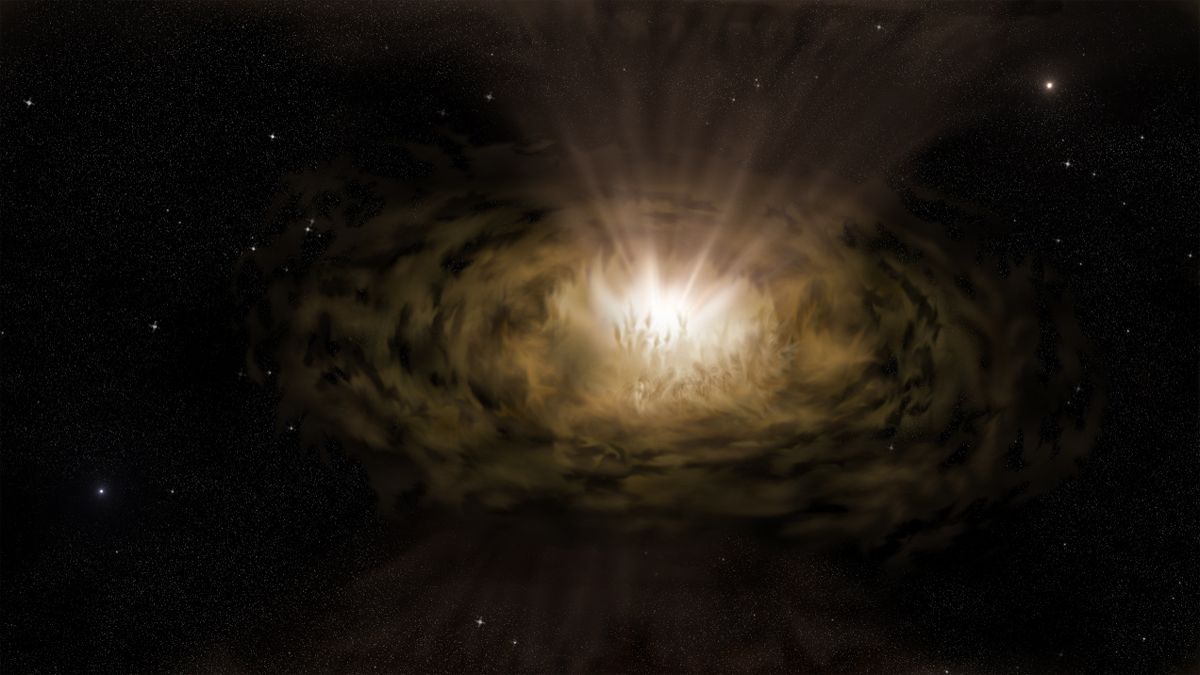
New research reveals how quiet galactic engines can help shape entire galaxies.
Viewed by
You are the first to view
The origin of magic numbers: Why some atomic nuclei are unusually stable - Phys.org
2/14/26 at 5:39am

For the first time, physicists have developed a model that explains the origins of unusually stable magic nuclei based directly on the interactions between their protons and neutrons. Published in Physical Review Letters, the research could help scientists be…
Viewed by
You are the first to view
A Chinese Team Found Something Incredible 10,000 Meters Below the Ocean, Here's What What They Discovered - The Daily Galaxy
2/14/26 at 5:39am

Deep beneath the ocean's waves, where no light reaches and the pressure is crushing, a team of researchers has found life thriving in ways that defy all expectations.
Viewed by
You are the first to view

Neutrinos are very small, neutral subatomic particles that rarely interact with ordinary matter and are thus sometimes referred to as ghost particles. There are three known types (i.e., flavors) of neutrinos, dubbed muon, electron and tau neutrinos.
Viewed by
You are the first to view
A 92-Foot Clossal Dinosaur Was Discovered by Accident in China Buried Under a Construction Site - Indian Defence Review
2/14/26 at 5:39am

The creature’s staggering size stunned experts, and its location raises even bigger questions about how Jurassic giants roamed the planet.
Viewed by
You are the first to view
All Life on Earth Shares an Ancestor – And Some of Our Genes Predate It - ScienceAlert
2/14/26 at 5:39am
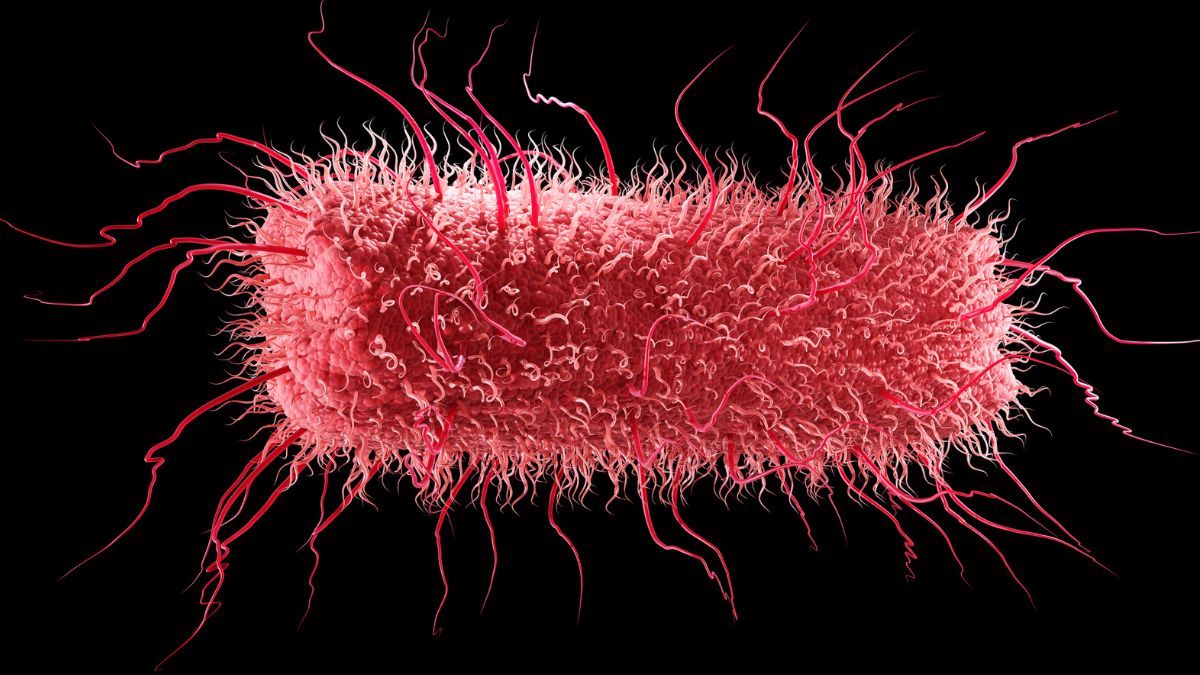
The last common ancestor of all living things did not just suddenly appear on Earth roughly 4.2 billion years ago.
Viewed by
You are the first to view
A strange space signal pulsed toward Earth for multiple hours, baffling scientists - Yahoo
2/14/26 at 5:39am

GRBs have been puzzling scientists the world 'round for years.
Viewed by
You are the first to view
Cosmic Waterfalls in Spacetime Cliffs - Avi Loeb – Medium
2/14/26 at 5:39am
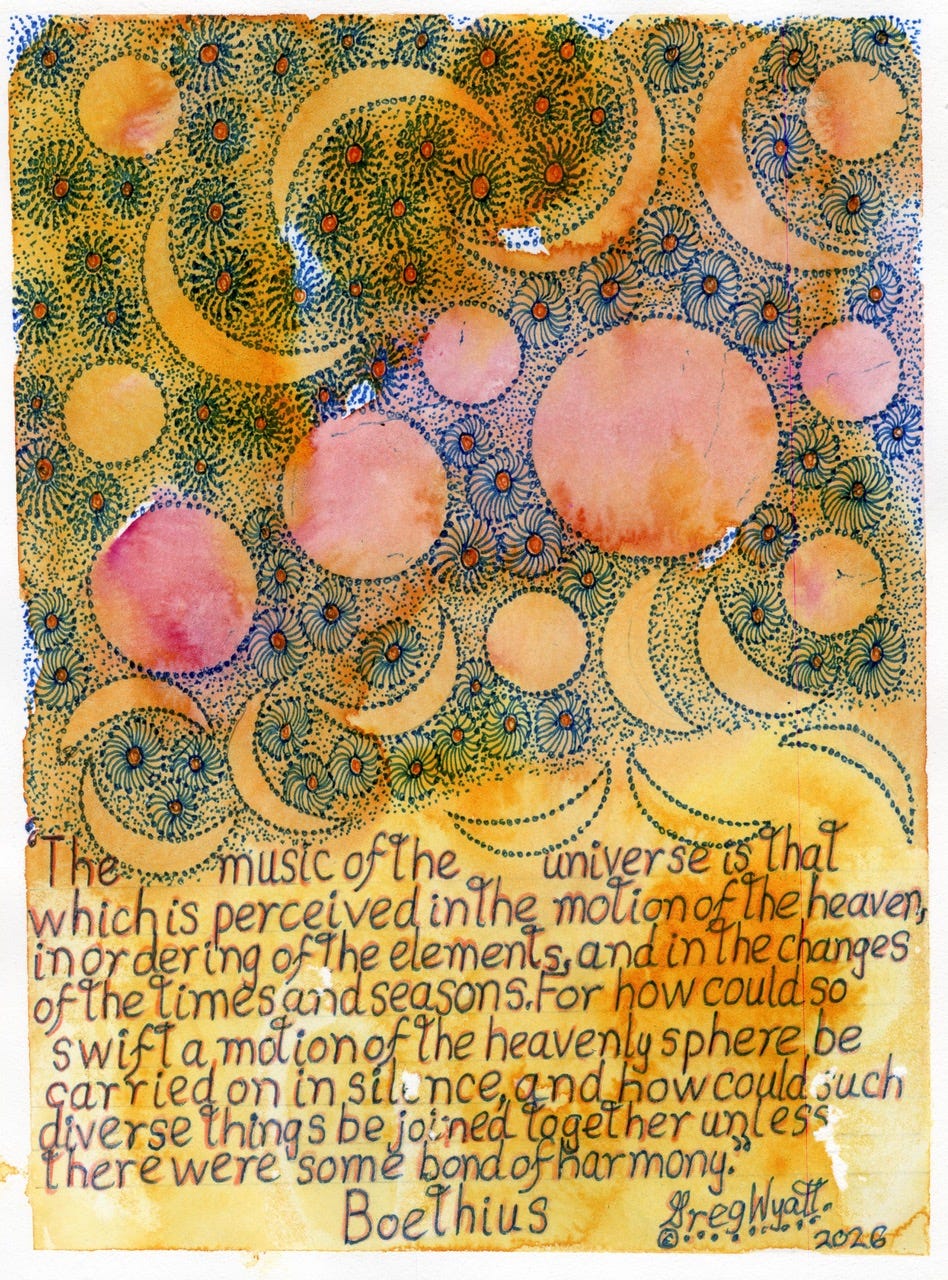
Waterfalls are sites where gravity pulls water down a steep cliff. This setup endows the water with rapid motion as it falls down the…
Viewed by
You are the first to view
Fed on Reams of Cell Data, AI Maps New Neighborhoods in the Brain - Quanta Magazine
2/10/26 at 11:51pm
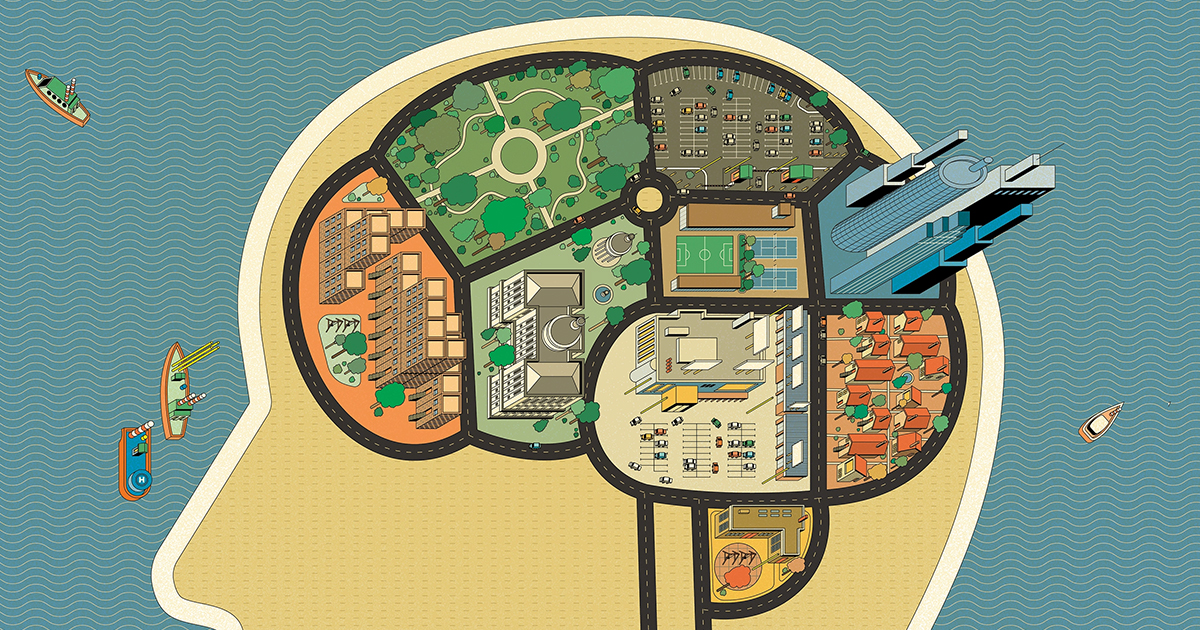
Machine learning is helping neuroscientists organize vast quantities of cells’ genetic data in the latest neurobiological cartography effort.
Viewed by
You are the first to view
Night sky tonight: Spot the 'Heavenly G’ brightening the winter sky after sunset on Feb. 9 - Space
2/10/26 at 11:51pm
The night sky is full of wonder. Here's what to look out for tonight.
Viewed by
You are the first to view
The Dying Children Who Suddenly Wake Up - Nautilus | Science Connected
2/10/26 at 11:51pm

The Dying Children Who Suddenly Wake Up: What happens to kids who experience terminal lucidity—and the caregivers who tend to them.
Viewed by
You are the first to view
Venus may have an underground tunnel carved by volcano eruptions - Space
2/10/26 at 11:51pm
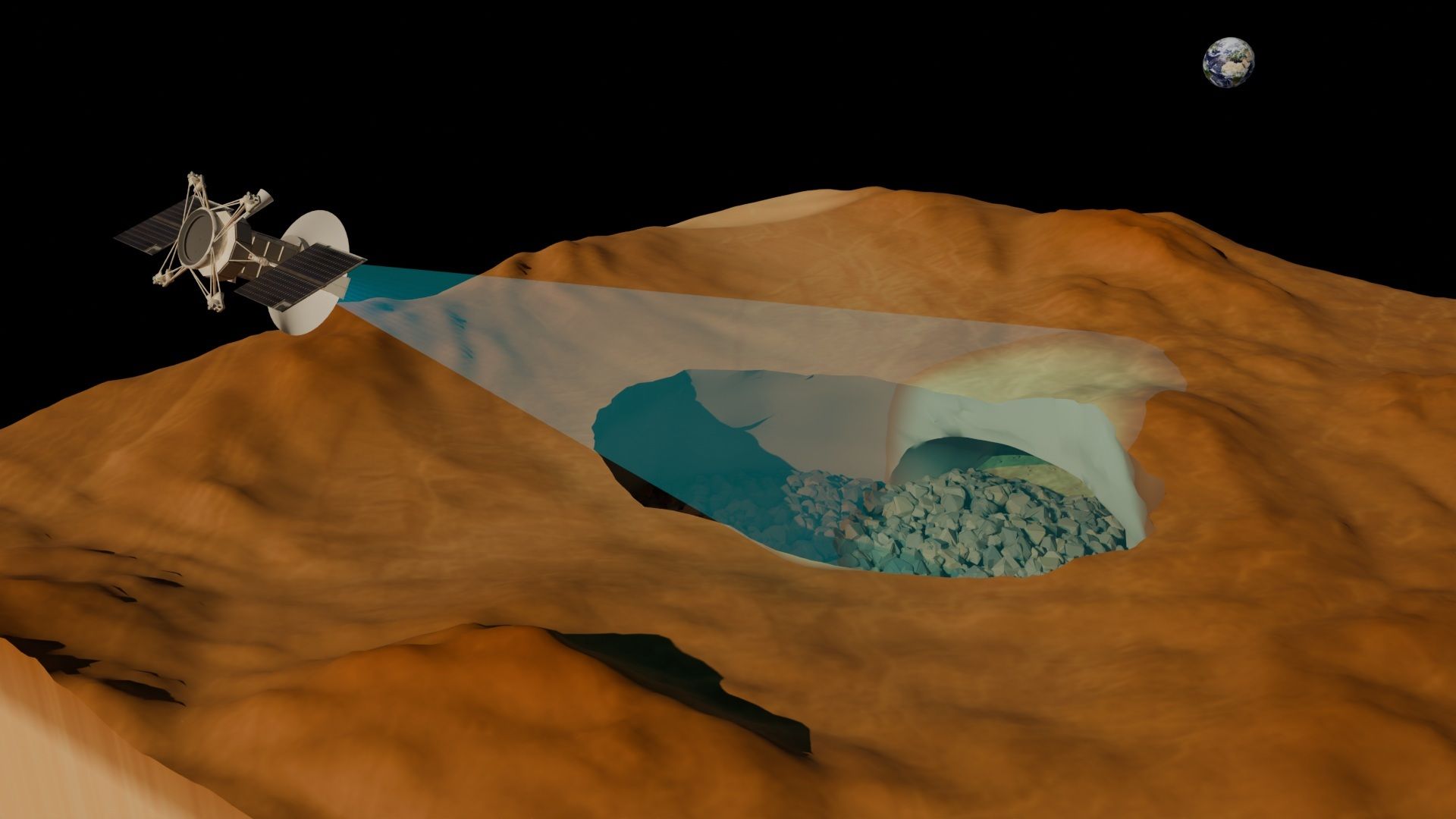
"This discovery contributes to a deeper understanding of the processes that have shaped Venus's evolution and opens new perspectives for the study of the planet."
Viewed by
You are the first to view

General Galactic, cofounded by a former SpaceX engineer, plans to test its water-based propellant this fall. If successful, it could help usher in a new era of space travel. That's a big “if.”
Viewed by
You are the first to view
Stephen Hawking, scientist: “Quiet and silent people are the ones who have the strongest and loudest minds” - Diario AS
2/10/26 at 11:51pm

The English physicist was diagnosed with ALS at age 21 and managed to live 55 years longer than science predicted.
Viewed by
You are the first to view
NASA's Artemis II Spacesuits Still Have One Big Problem, According To Former Astronauts - bgr.com
2/10/26 at 11:51pm
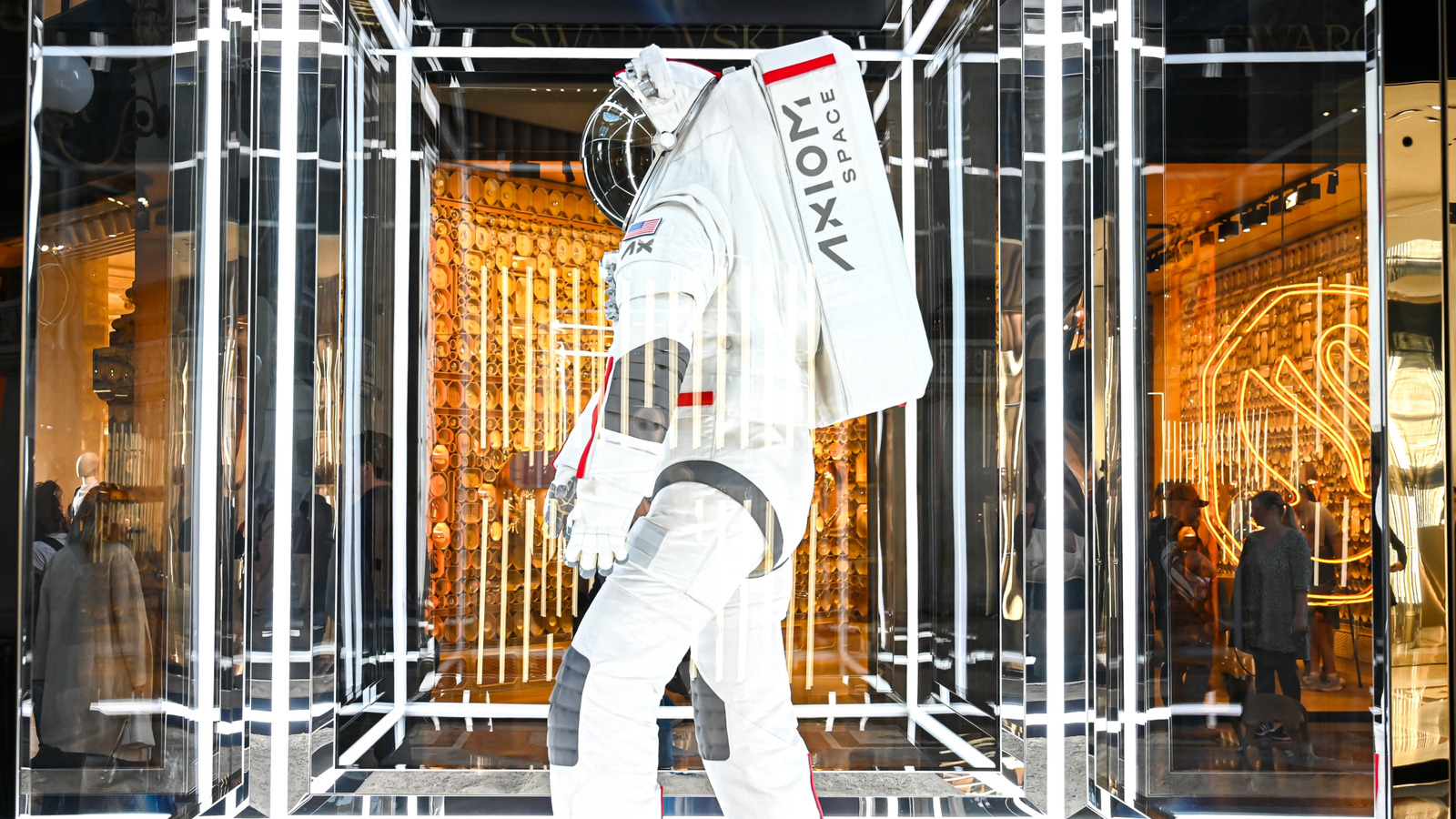
Space exploration experts have expressed concerns over the Artemis II spacesuits that will be worn by astronauts for NASA's missions, particularly its heft.
Viewed by
You are the first to view
Replacement space station crew, launching ahead of schedule, eager to go - cbsnews.com
2/10/26 at 11:51pm
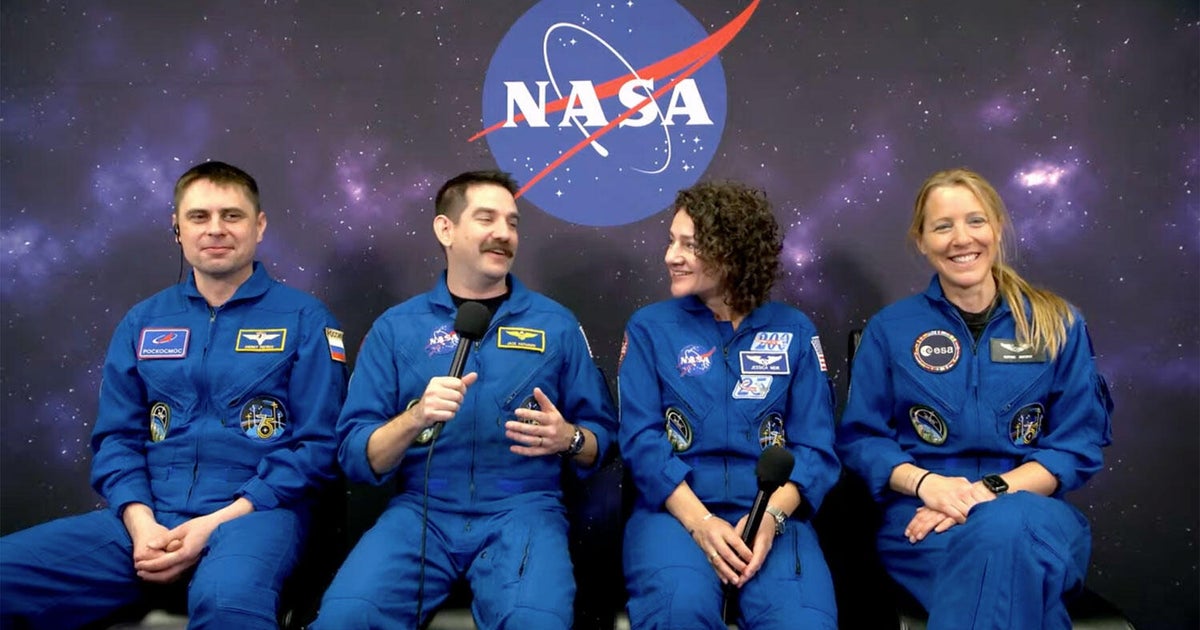
The new crew will replace four station fliers who returned to Earth ahead of schedule last month due to a medical issue.
Viewed by
You are the first to view
Hubble Telescope Spots Strange, Massive Disk 40 Times the Size of Our Solar System - SciTechDaily
2/10/26 at 11:51pm
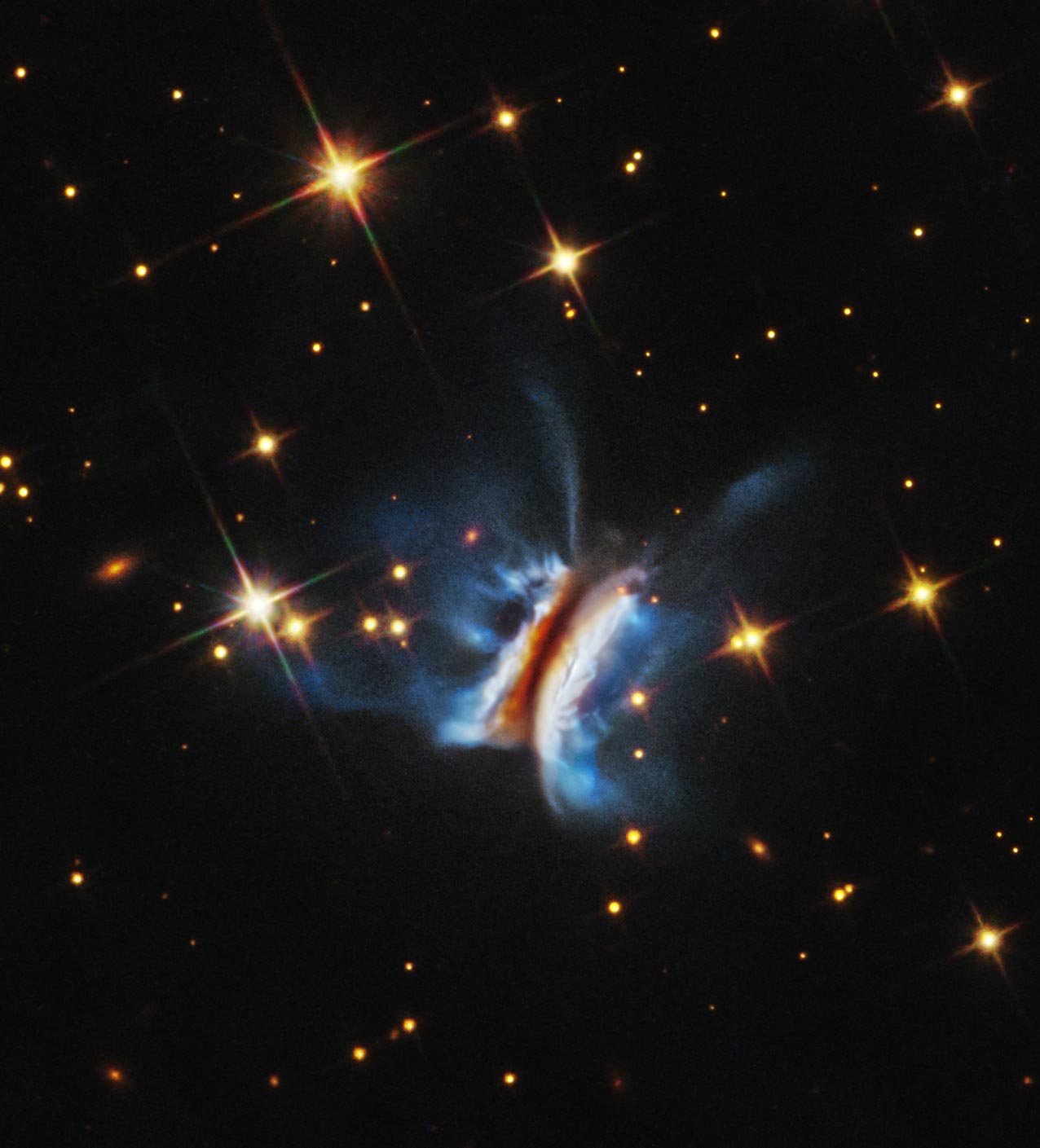
Hubble observations reveal a giant, turbulent planet-forming disk that may reshape theories of how planetary systems develop.
Viewed by
You are the first to view
Houston, We Have a Problem - persuasion.community
2/10/26 at 11:51pm
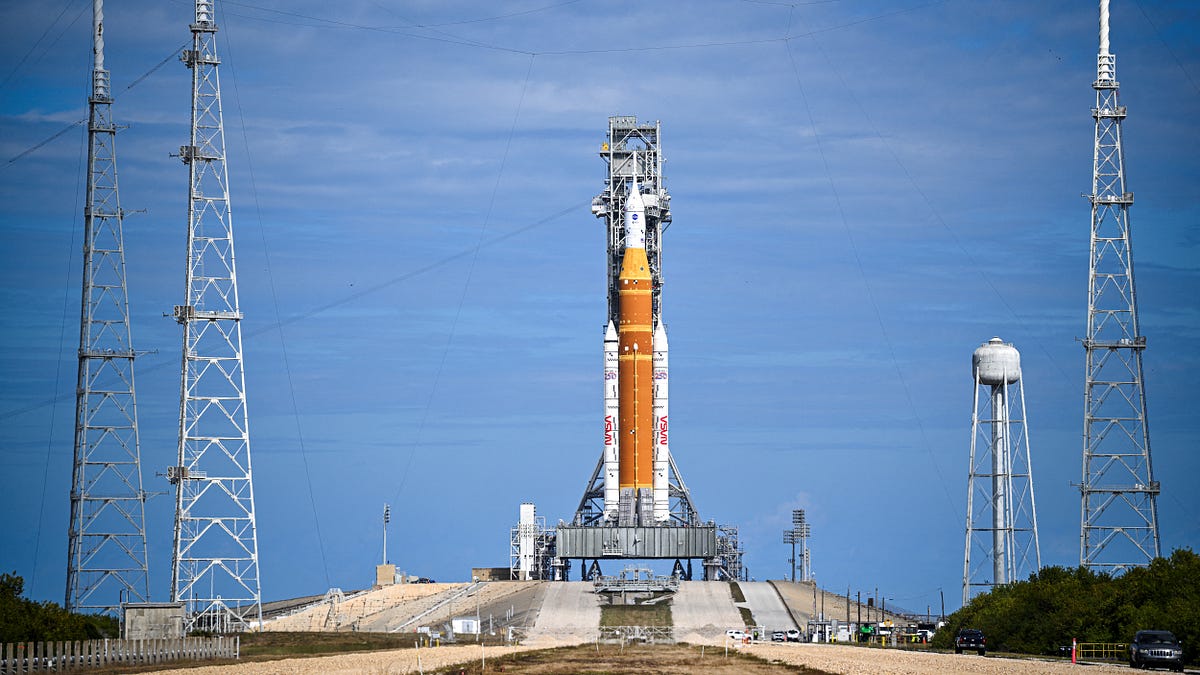
It's not rocket science that kept America from returning to the moon. It's state capacity.
Viewed by
You are the first to view
Topological antenna could pave the way for 6G networks - Phys.org
2/10/26 at 11:51pm

Using ideas borrowed from topological photonics, researchers in Singapore, France and the US have designed a compact antenna capable of handling information-rich terahertz (THz) signals. Reporting their results in Nature Photonics, the team, led by Ranjan Sin…
Viewed by
You are the first to view
Scientists Fired Lasers at Charles Darwin's Priceless Specimens. Here's Why. - ScienceAlert
2/10/26 at 11:51pm

Rows of preserved specimen jars from Charles Darwin's iconic Galapagos voyage have sat, unopened, in the archives of London's Natural History Museum (NHM) for 200 years.
Viewed by
You are the first to view
The 'Little red dots' observed by Webb were direct-collapse black holes - Phys.org
2/10/26 at 11:51pm

The James Webb Space Telescope (JWST) was designed to look back in time and study galaxies that existed shortly after the Big Bang. In so doing, scientists hoped to gain a better understanding of how the universe has evolved from the earliest cosmological epo…
Viewed by
You are the first to view