The search for Earth's hidden mountains - BBC
6/7/23 at 3:01am

The deep Earth contains vast mountain ranges with peaks up to four times the height of Everest. But no one knows why.
1 similar
Viewed by
You are the first to view

If disaster movies are to be believed (and why wouldn’t they be?) we’re always only one planetary temper tantrum away from total annihilation. The Earth has ...
Viewed by
You are the first to view
Breakthrough Study Explores High-Resolution Analysis of Rare Earth Element Isotopes Using LIBS and LIBS-MLIF Techniques - Spectroscopy Online
6/7/23 at 3:01am

New research uncovers novel findings regarding rare earth element (REE) isotopes through the utilization of high-resolution laser-induced breakdown spectroscopy (LIBS) and laser-induced breakdown spectroscopy-molecular laser-induced fluorescence (LIBS-MLIF) t…
Viewed by
You are the first to view
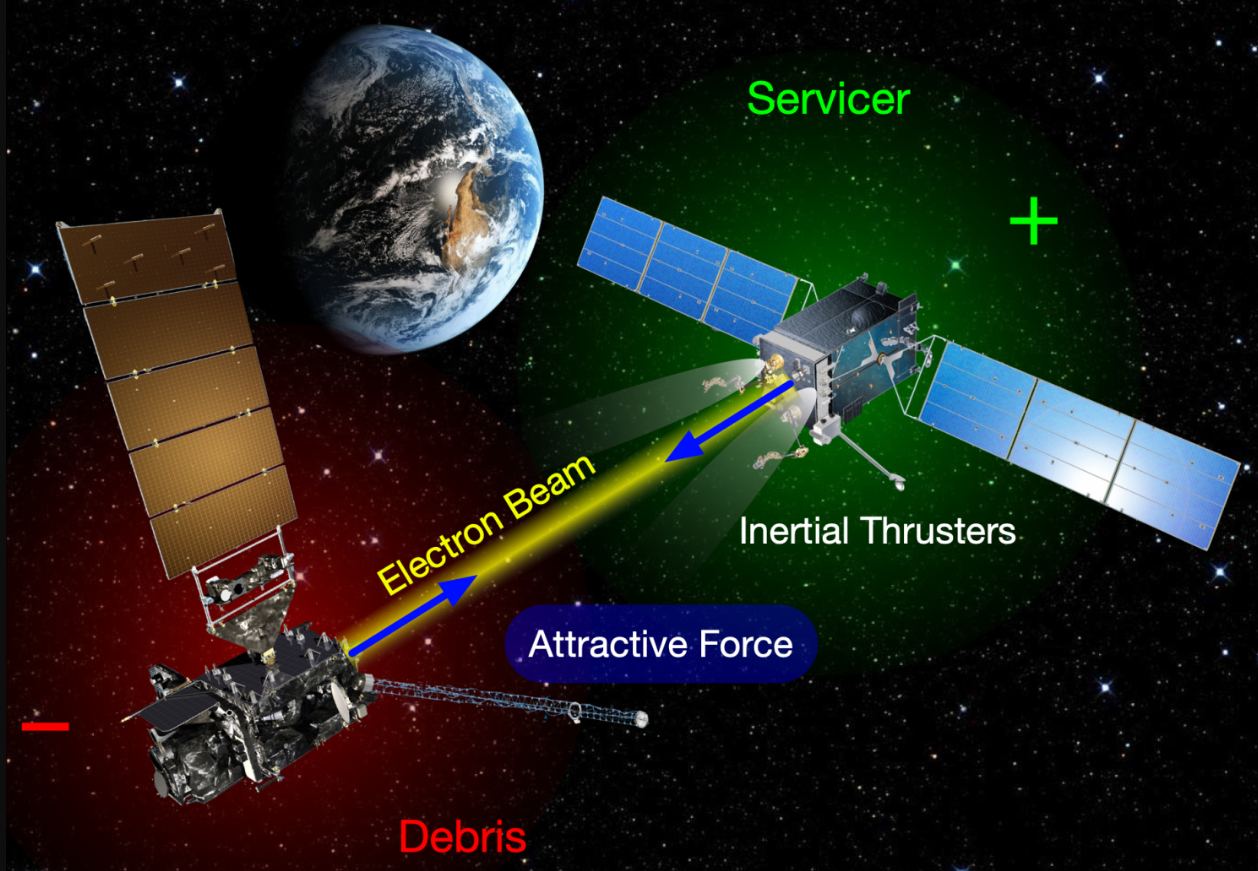
We need solutions to the burgeoning problem of space debris. One team of researchers is developing a real-life 'tractor beam' to deal with it.
Viewed by
You are the first to view
New NASA video shows just how big black holes really are - Freethink
6/7/23 at 3:01am
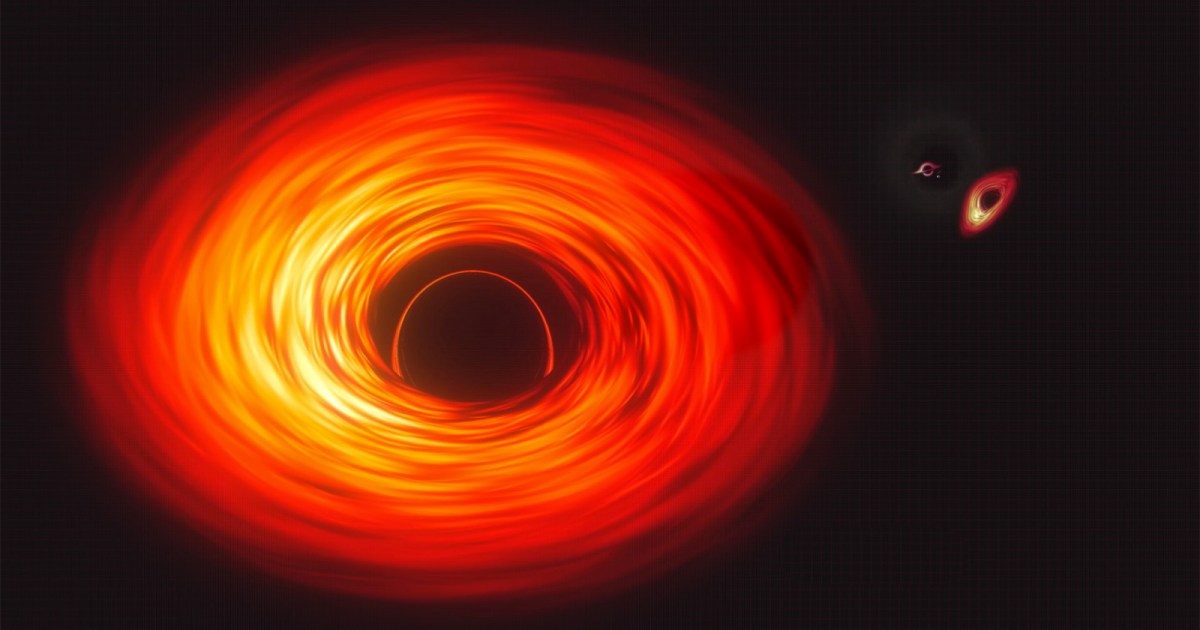
A new NASA animation puts the size of 10 supermassive black holes into perspective by comparing them to our solar system.
Viewed by
You are the first to view
Did Neanderthals Practice Chemistry? - Answers In Genesis
6/8/23 at 7:02am

A new discovery hints that Neanderthals may have practiced chemistry, in addition to a long list of other accomplishments!
Viewed by
You are the first to view
Big data astronomy: Using statistics in a new way to decipher the universe - Phys.org
6/7/23 at 3:02pm
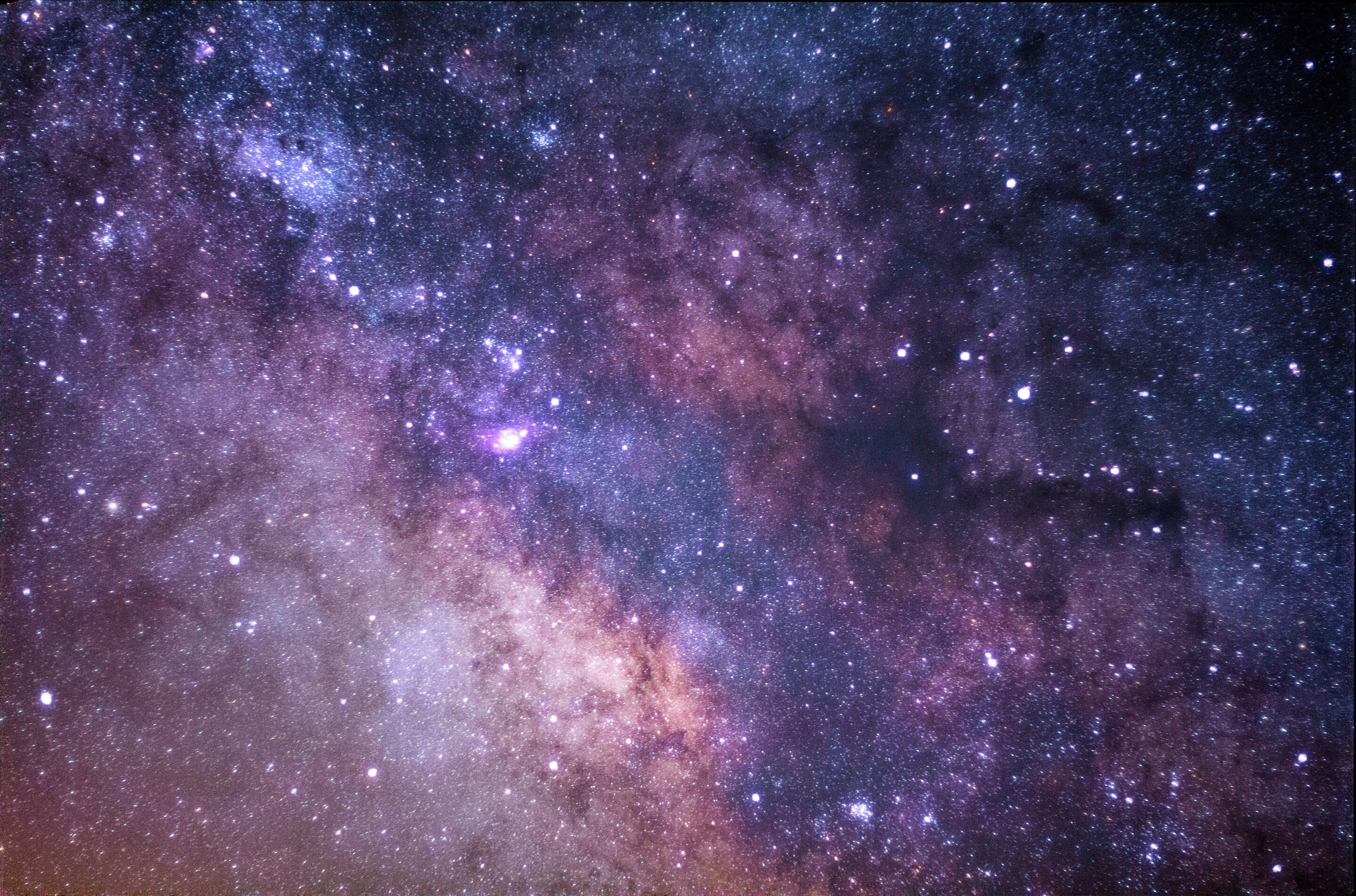
The digital age has been a tremendous boon to the fields of both statistics and astronomy. However, according to Dr. Max Bonamente, a professor of physics and astronomy at The University of Alabama in Huntsville (UAH), most astronomers are not sufficiently tr…
Viewed by
You are the first to view
New strategy can harvest chemical information on rare isotopes with a fraction of the material - Phys.org
6/7/23 at 3:01am

Studying radioactive materials is very difficult due to the potential health risks they pose to scientists. Expense is also a major barrier, with some radioisotopes costing more than $10,000 per microgram (or $10 billion per gram). Some radioisotopes cannot b…
1 similar
Viewed by
You are the first to view
'Sooty bark disease,' harmful for maples and humans, can be monitored by pollen sampling stations - Phys.org
6/7/23 at 3:01am
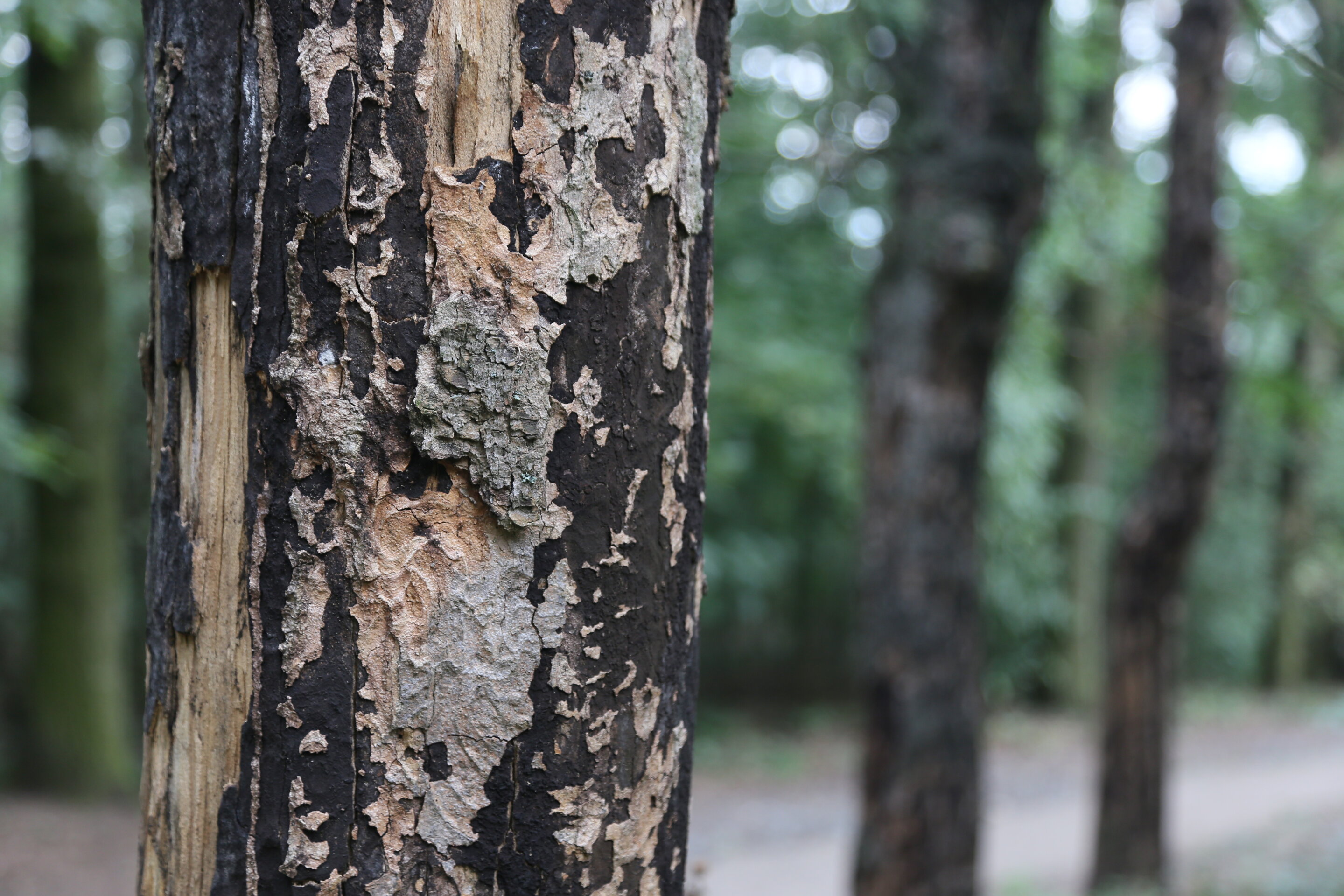
Especially after the last few COVID-affected years, nobody doubts that emerging infectious diseases can threaten the whole world. But humans are not the only ones at risk. With intensive global trade, many tree parasites are accidently introduced to Europe in…
Viewed by
You are the first to view

Researchers shed new light on our brain's ability to predict movement, aiding in seemingly simple tasks like grabbing a moving object.
Viewed by
You are the first to view

It was the night the stars fell. In 1833, people scattered across North America witnessed a powerful celestial event that appeared downright apocalyptic.
Viewed by
You are the first to view
Early universe crackled with bursts of star formation, Webb Telescope shows - Phys.org
6/7/23 at 3:01am
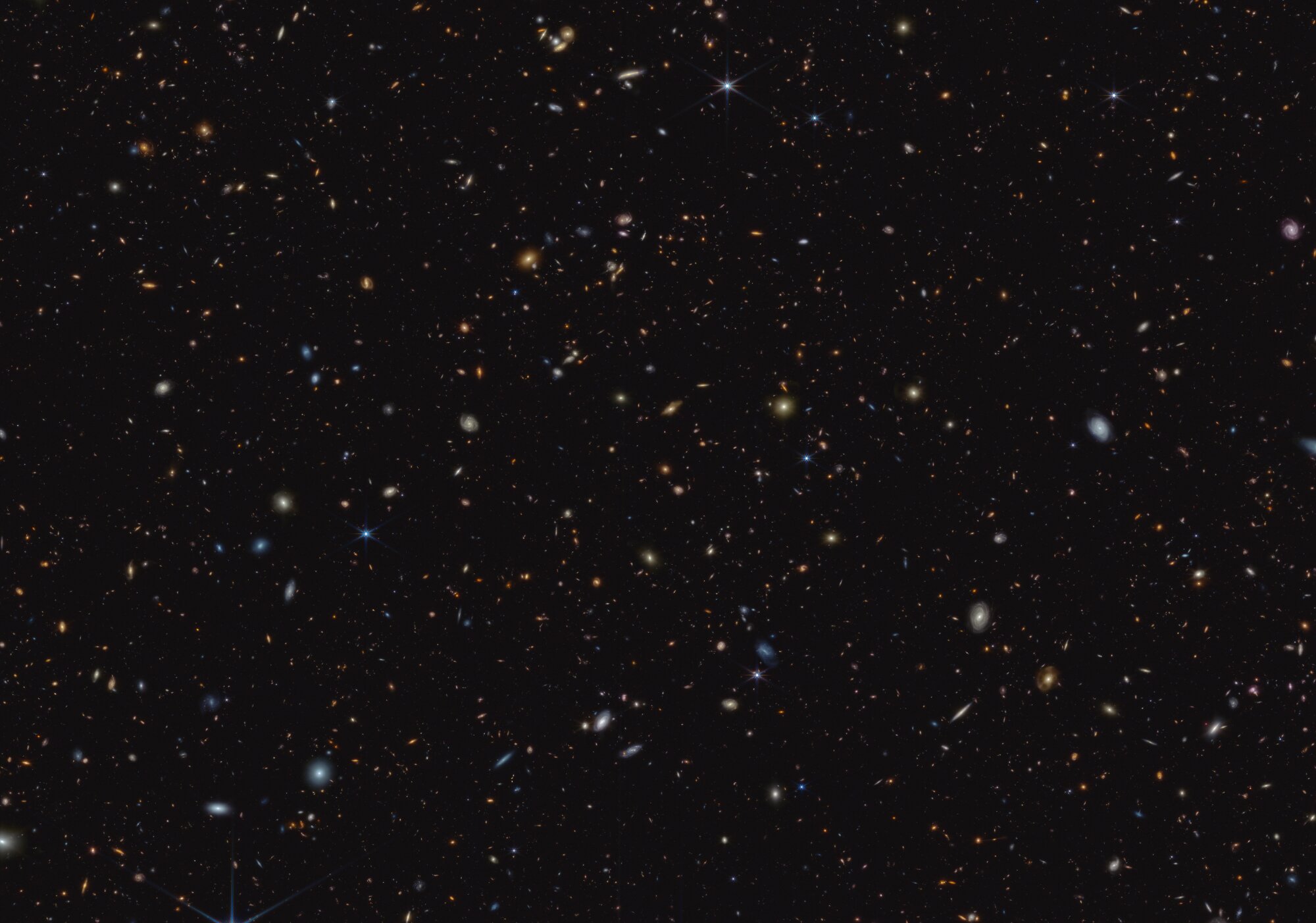
Among the most fundamental questions in astronomy is: How did the first stars and galaxies form? NASA's James Webb Space Telescope is already providing new insights into this question. One of the largest programs in Webb's first year of science is the JWST Ad…
3 similar
Viewed by
You are the first to view
WWDC 2023: Apple To Chop 'Hey Siri' Wake Phrase To Just 'Siri'; Details Inside - Jagran English
6/7/23 at 3:02pm

Apple Siri Update The command will allow users to ask questions to Siri without repeating the same phrase
Viewed by
You are the first to view

Currently, James Webb Space Telescope is observing a series of galaxies to help humanity develop a better understanding of how stars are formed.
Viewed by
You are the first to view
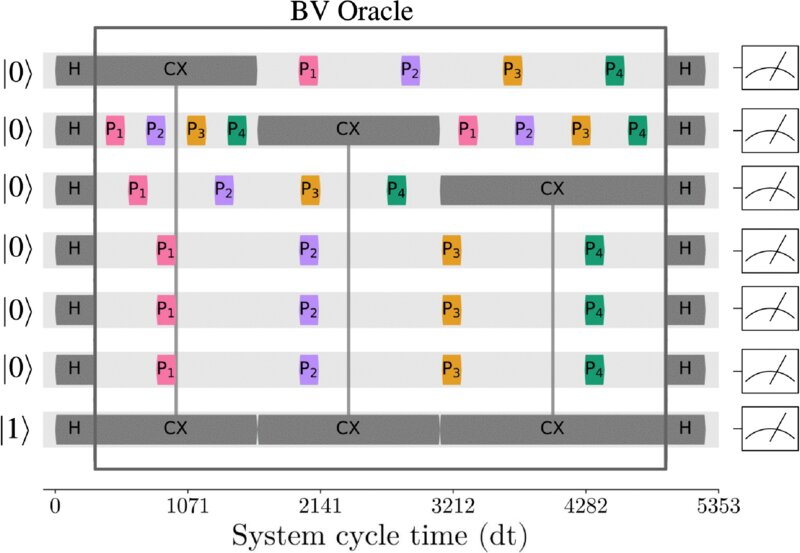
Daniel Lidar, the Viterbi Professor of Engineering at USC and Director of the USC Center for Quantum Information Science & Technology, and Dr. Bibek Pokharel, a Research Scientist at IBM Quantum, have achieved a quantum speedup advantage in the context of a "…
Viewed by
You are the first to view
NASA's Hubble Telescope Focuses on Hazy Galaxy 50 Million Light-Years from Earth - SpaceCoastDaily.com
6/7/23 at 3:01am

This moody image shows a galaxy named Messier 85, captured in all its delicate, hazy glory by the NASA/ESA Hubble Space Telescope.
Viewed by
You are the first to view
Single Atom X-rayed For First Time in Breakthrough That Will 'Transform the World' - Good News Network
6/7/23 at 3:01am
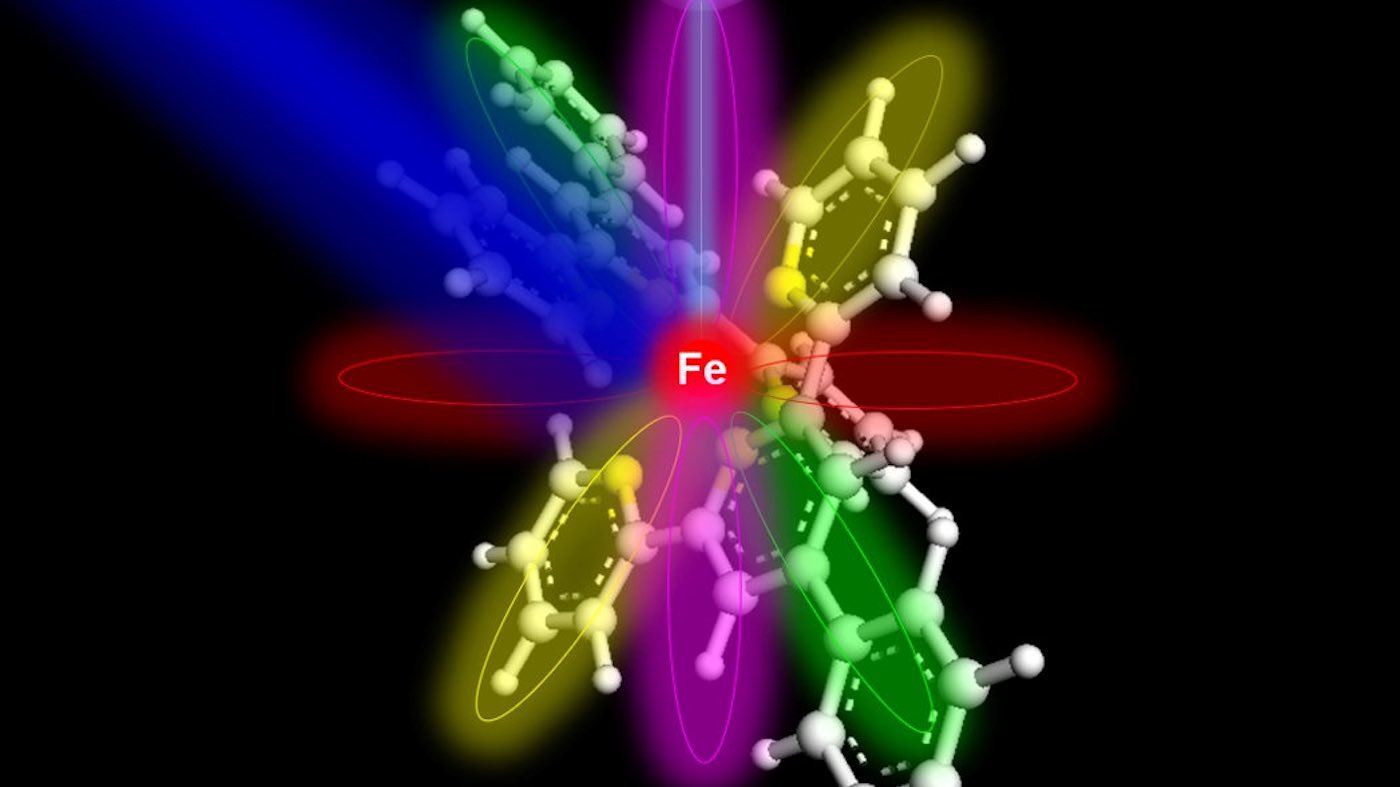
The best that current state-of-the-art synchrotron scanners can manage is to X-ray an attogram—about 10,000 atoms.
Viewed by
You are the first to view
LIGO project begins new gravitational wave hunt - Space.com
6/7/23 at 3:01am

The latest campaign, known as O4, began on May 24.
Viewed by
You are the first to view

So far, astrophysicists have only detected gravitational waves from binary systems—the mergers of either two black holes, two neutron stars or one of each. Although astrophysicists theoretically should be able to detect gravitational waves from a single, non-…
Viewed by
You are the first to view

A recent study revealed that radiography works particularly well with the sulphur minerals that form fossils in the Norwegian archipelago.In the study published in the journal PLOS ONE, X-ray...
Viewed by
You are the first to view
Webb Space Telescope detects universe's most distant complex organic molecules - Phys.org
6/7/23 at 3:01am
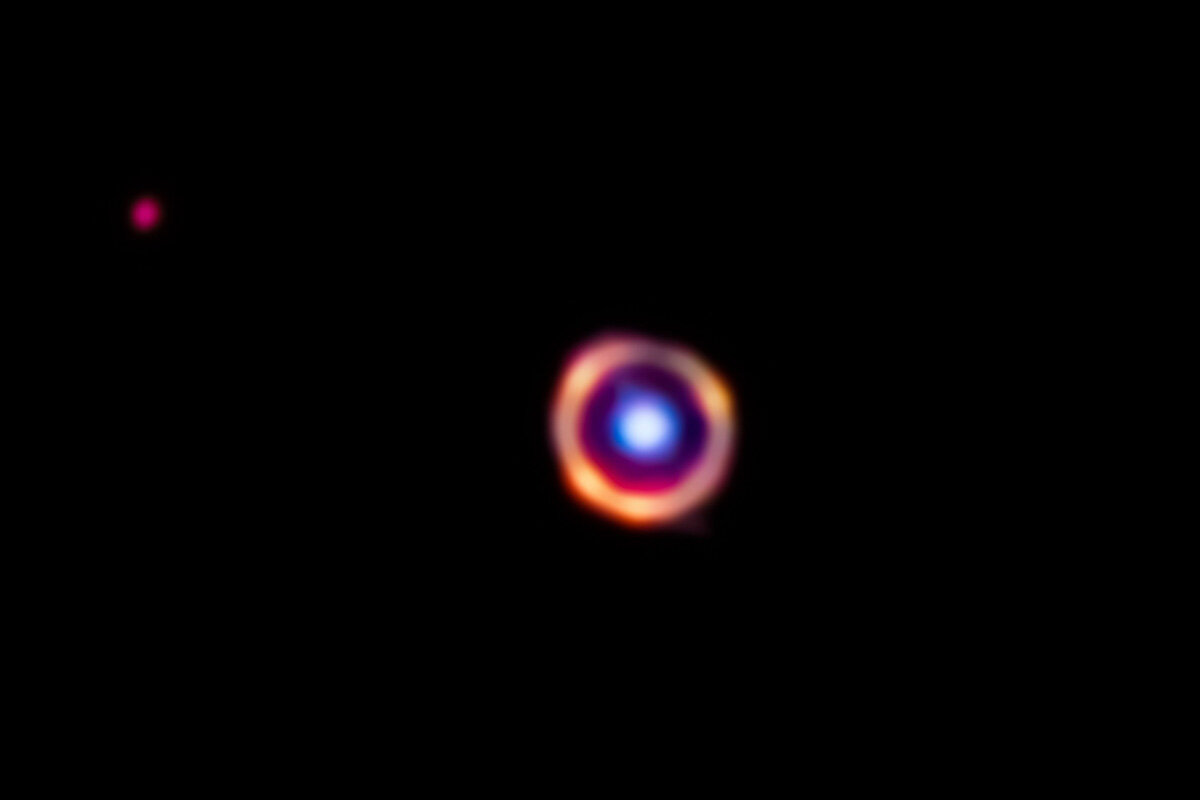
Researchers have detected complex organic molecules in a galaxy more than 12 billion light-years away from Earth—the most distant galaxy in which these molecules are now known to exist. Thanks to the capabilities of the recently launched James Webb Space Tele…
Viewed by
You are the first to view

Read more about Martian dust devil caught in action by NASA's HiRISE camera on Devdiscourse
Viewed by
You are the first to view
Astronomers discover planets in NASA Kepler's final days of observations - Science X
6/7/23 at 3:01am

Science X network: Science X is a network of high quality websites with most complete and comprehensive daily coverage of the full sweep of science, technology, and medicine news
Viewed by
You are the first to view
Gravitational Waves Might Be Generated by the Debris Fields of Dying Stars - Gizmodo
6/7/23 at 3:01am

Cocoons of debris surrounding collapsing stars may generate gravitational waves detectable by LIGO.
Viewed by
You are the first to view
Early Universe Crackled With Bursts of Star Formation, Webb Shows - WebbTelescope.org
6/7/23 at 3:01am
Viewed by
You are the first to view