Upgraded 'Vampire Einstein' Shape Finally Solves Vexing Mathematical Pattern Problem - Gizmodo
6/1/23 at 8:00am

The same researchers behind the 13-sided "hat" shape have stumbled upon a version that improves upon the original in a very important way.
Viewed by
You are the first to view
Earth Has a Fake Moon That Has Been Orbiting It for Thousands of Years! | Weather.com - The Weather Channel
6/1/23 at 8:00am

Analysis showed that this seemingly loyal rock had been by our side since at least 100 BC, and will continue to do so until at least 3700, making it the Earth’s most stable quasi-satellite found to date.
2 similar
Viewed by
You are the first to view
Hypernuclei flow seen in heavy-ion collisions - Newswise
6/1/23 at 8:00am
Chinese scientists at IMP and CAS witness the collective flow of hypernuclei in heavy-ion collisions, opening doors to explore Y-N interactions in dense nuclear
3 similar
Viewed by
You are the first to view
Astronomers detected two major targets with a single telescope – a mysterious signal and its source galaxy | Astronomy.com - Astronomy Magazine
6/1/23 at 8:00am

Astronomers have been working to better understand the galactic environments of fast radio bursts (FRBs) – intense, momentary bursts of energy occurring in mere milliseconds and with unknown cosmic origins.
Viewed by
You are the first to view
World's Most Powerful Laser Reveals Secrets of Pressure-Driven Ionization in Stars and Nuclear Fusion - SciTechDaily
5/31/23 at 6:05pm
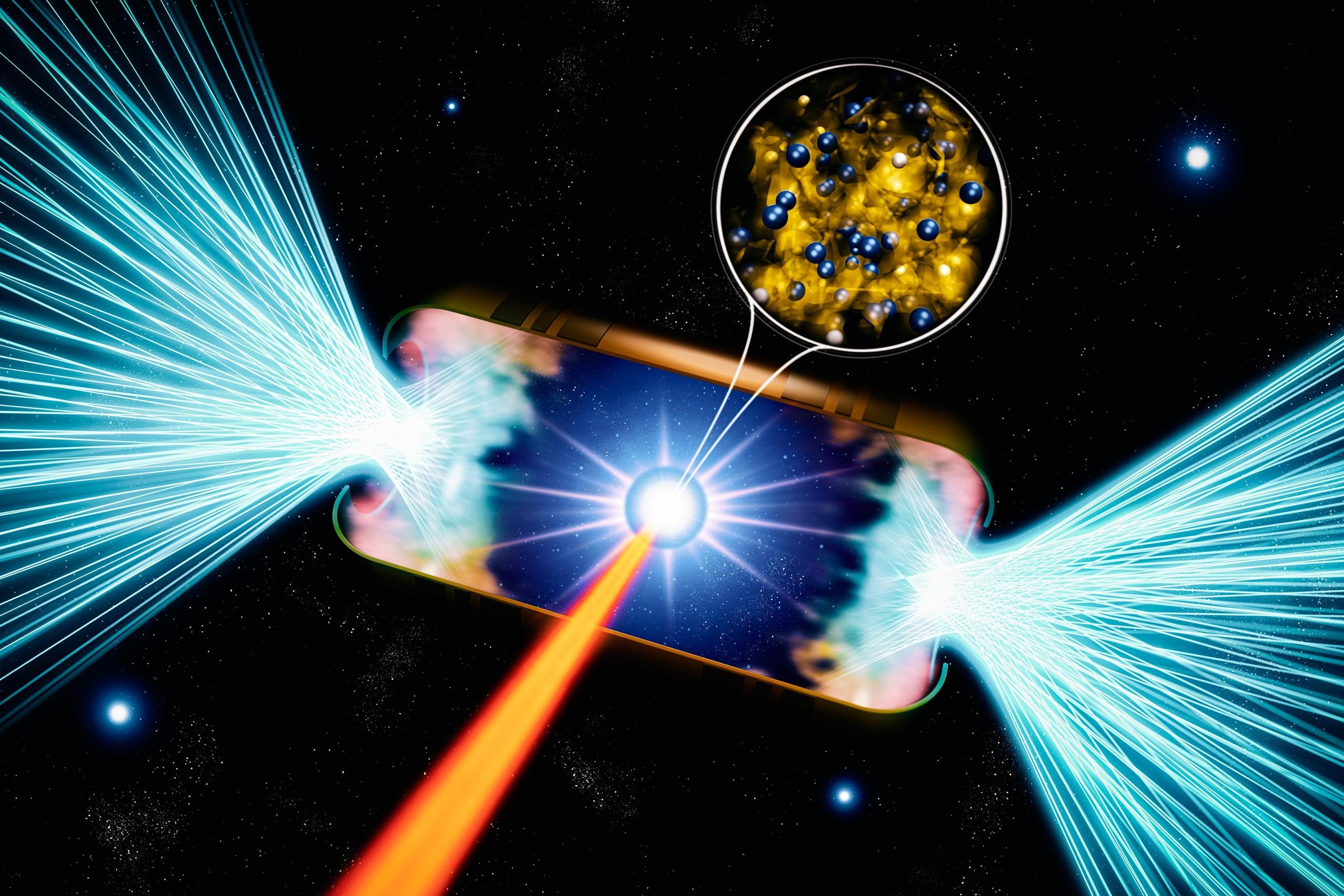
Scientists at Lawrence Livermore National Laboratory successfully used the world's most powerful laser to simulate and study pressure-driven ionization, a process vital to understanding the structure of planets and stars. The research revealed unexpected prop…
Viewed by
You are the first to view
How the humble neutron can help solve some of the universe's deepest mysteries - Phys.org
6/1/23 at 8:00am

Scientists are unleashing the power of neutrons to improve understanding of everyday materials and tackle fundamental questions in physics.
1 similar
Viewed by
You are the first to view
Shell beads discovery sheds light on Stone Age seafaring - Phys.org
6/1/23 at 8:00am
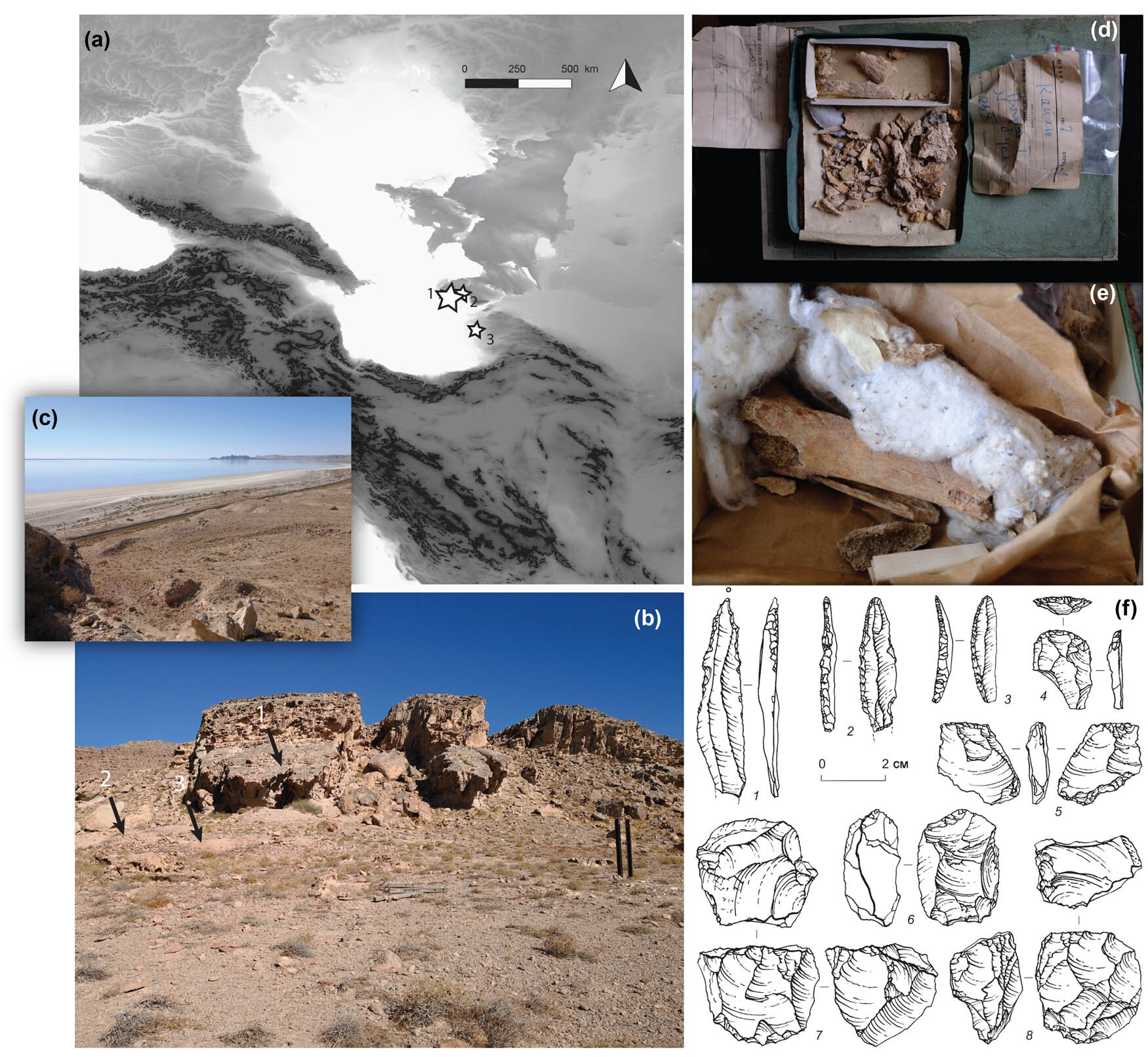
Stone Age humans may have made extended maritime voyages on the Caspian Sea, according to a new study published in the journal Open Archaeology.
Viewed by
You are the first to view

The Breakthrough Listen Investigation for Periodic Spectral Signals (BLIPSS), led by Akshay Suresh, Cornell doctoral candidate in astronomy, is pioneering a search for periodic signals emanating from the core of our galaxy, the Milky Way. The research aims to…
Viewed by
You are the first to view
New high resolution X-ray imaging technique can image biological specimens without causing damage - Phys.org
6/1/23 at 8:00am
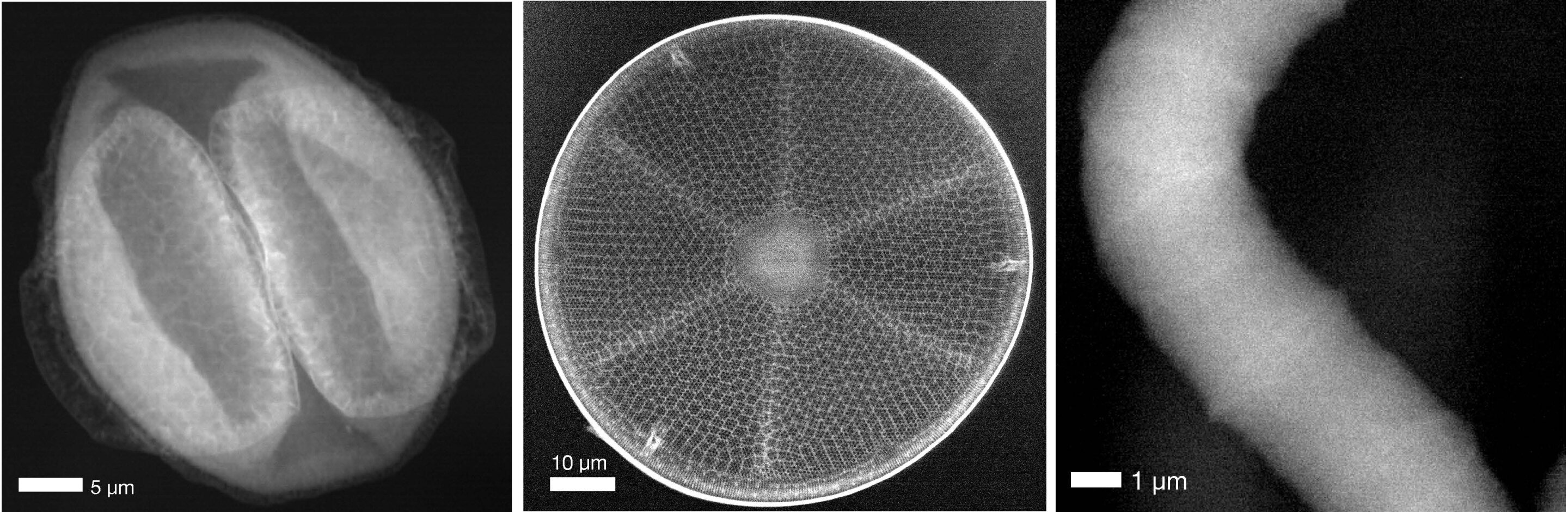
A pollen grain showing the nanofoam within or a diatom with the individual geometric structures inside clearly visible: Using high-energy X-rays from the PETRA III synchrotron light source at DESY, a team led by CFEL scientists Saša Bajt and Henry Chapman has…
Viewed by
You are the first to view
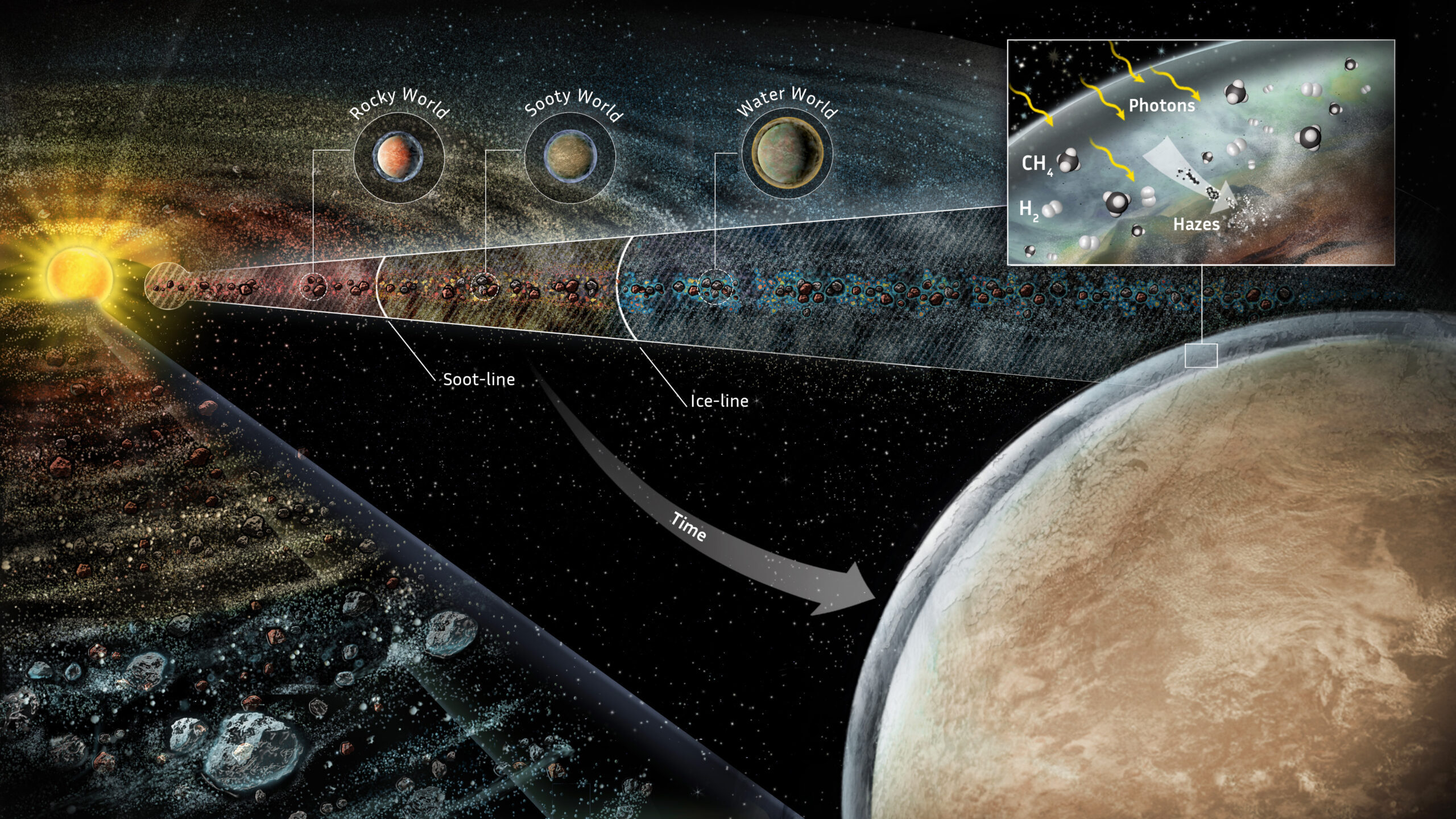
Exoplanets that form beyond their solar system's 'soot line' can have far more carbon than Earth. What does that mean for life?
Viewed by
You are the first to view
A massive sunspot is currently visible to the unaided eye. Here's how to see it safely before it's gone - Space.com
6/1/23 at 8:00am

The new sunspot is 4 times the size of Earth.
Viewed by
You are the first to view
Rocks beneath Antarctic Ice Sheet reveal surprising past - Phys.org
6/1/23 at 8:00am
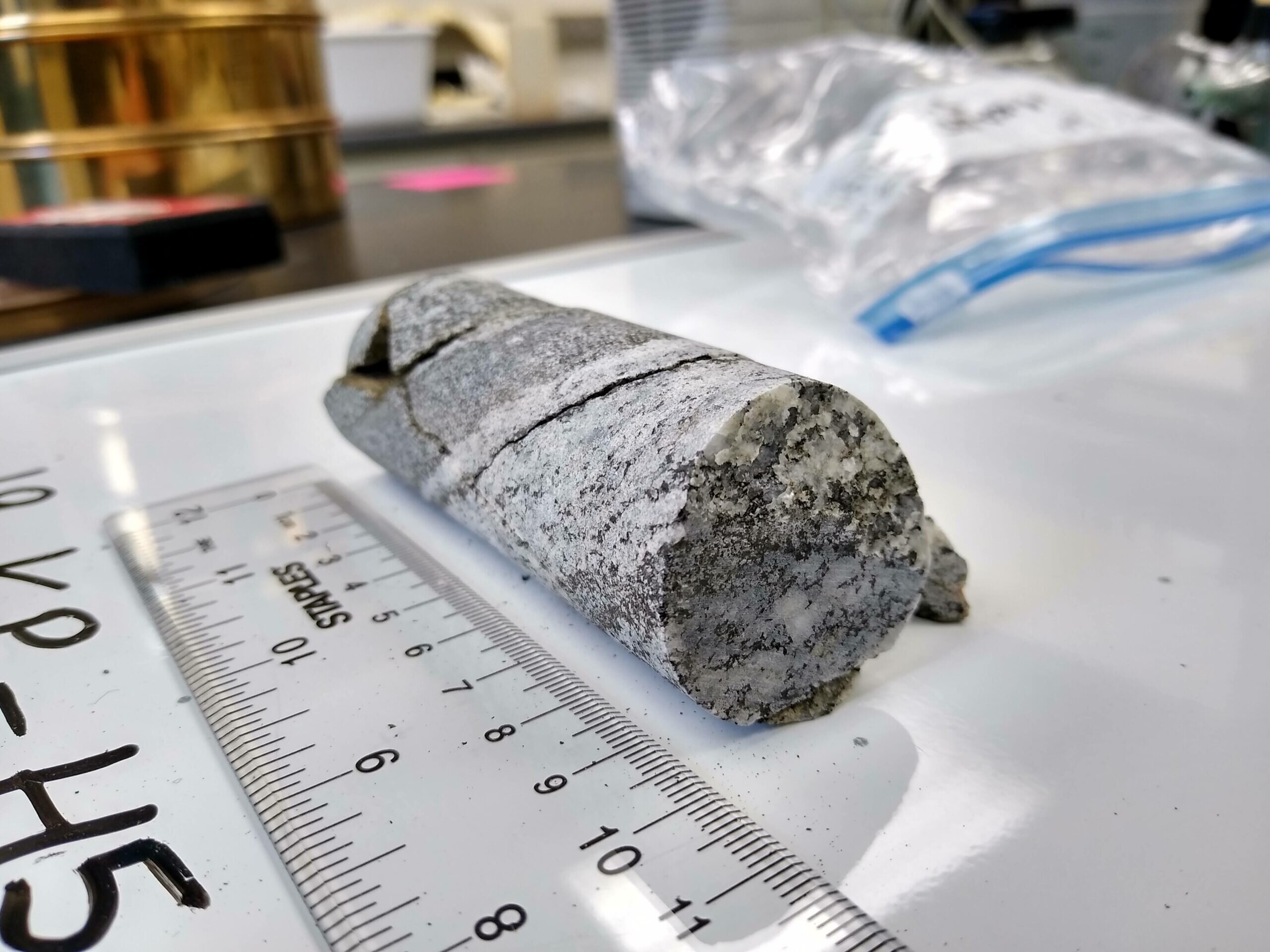
The West Antarctic Ice Sheet is shrinking, with many glaciers across the region retreating and melting at an alarming rate. However, this was not always the case according to new research published last month (April 28) in The Cryosphere.
Viewed by
You are the first to view
SpaceX could launch this origami-inspired folding heat shield later this year - Space.com
6/1/23 at 8:00am
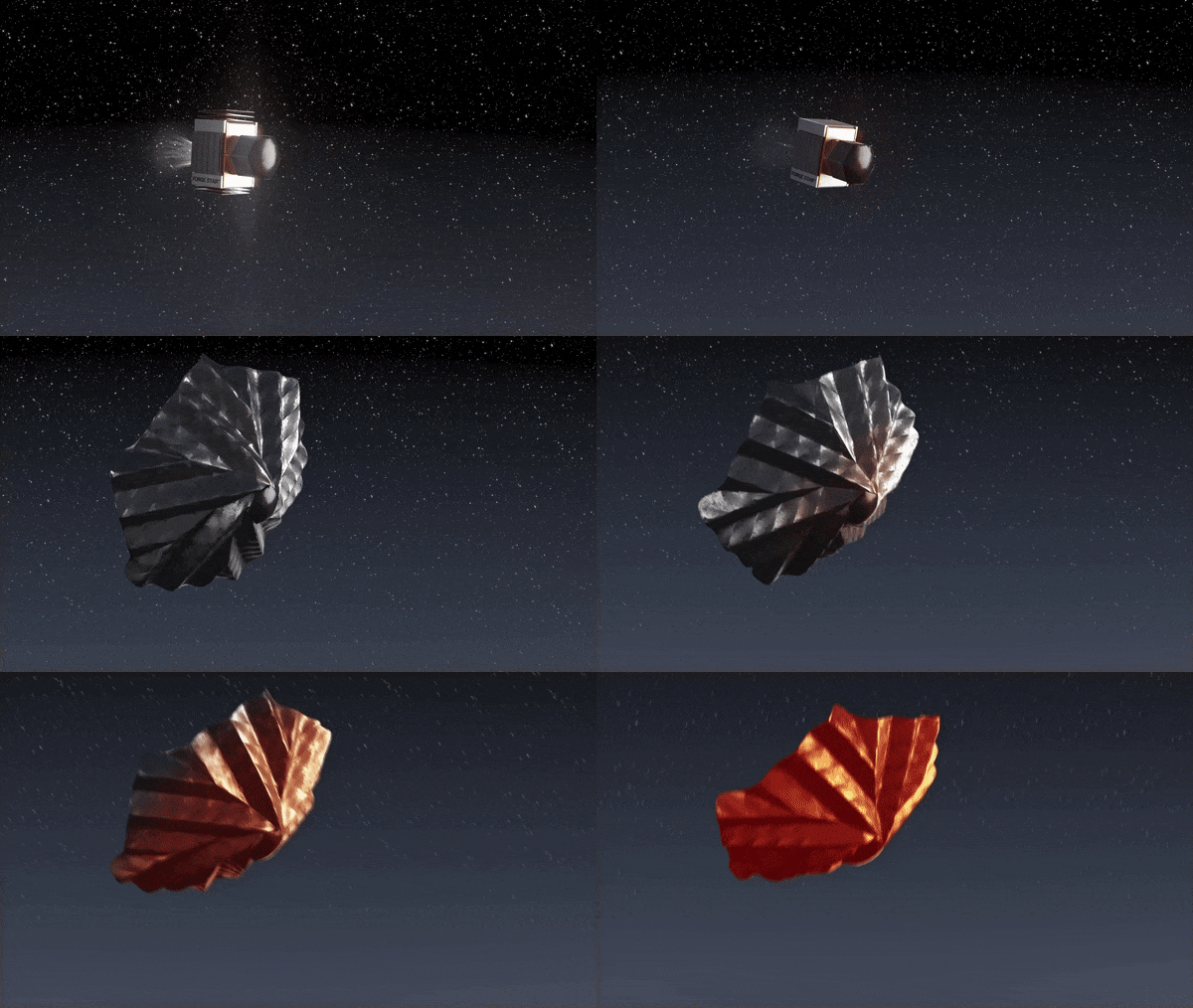
The new heat shield is called Pridwen, named after the shield donned by King Arthur.
Viewed by
You are the first to view
Study Finds One-Third of Red Dwarf Exoplanets Could Be Habitable - Transcontinental Times
6/1/23 at 8:00am

UNITED STATES: A groundbreaking study conducted by a team of U.S. astronomers has revealed that approximately one-third of the planets orbiting M dwarfs, commonly known as red dwarf stars, may reside within the coveted habitable zone. This discovery could hav…
Viewed by
You are the first to view
How to manage moon exploration. - Slate
6/1/23 at 8:00am

A lunar registry would help coordinate our increasingly crowded space environment—before it’s too late.
Viewed by
You are the first to view
University of Minnesota experts successfully used a first-of-its-kind technique to measure the expansion rate of the Universe - India Education Diary
6/1/23 at 8:00am
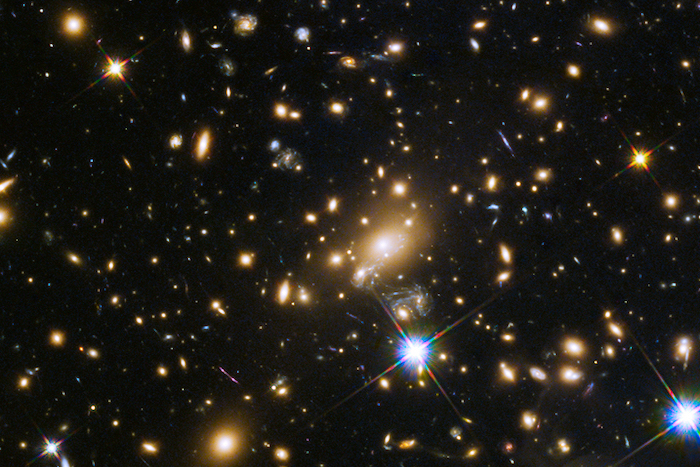
Thanks to data from a magnified supernova, a team led by University of Minnesota researchers has successfully used a first-of-its-kind technique to measure the expansion rate of the Universe. Their data provide insight into a longstanding debate in t
Viewed by
You are the first to view

A pollen particle revealing the nanofoam within, or a diatom with the various geometric features inside clearly visible: Using high-energy X-rays from DESY's PETRA III synchrotron light source, a team lead by CFEL scientists Saa Bajt and Henry Chapman was abl…
Viewed by
You are the first to view
A closer look at galaxy M64's outer disk shows that it came from a smaller dwarf galaxy - Phys.org
6/1/23 at 8:00am

An international team of astronomers, astrophysicists and cosmologists, has found evidence of galaxy M64's outer disk originating from a smaller, nearby, dwarf galaxy. The team has written a paper describing their findings that has been accepted for publicati…
Viewed by
You are the first to view
Research Finds Stretching Metals Allows Researchers To Create Materials For Quantum, Electronic And Spintronic Applications - India Education Diary
6/1/23 at 8:00am
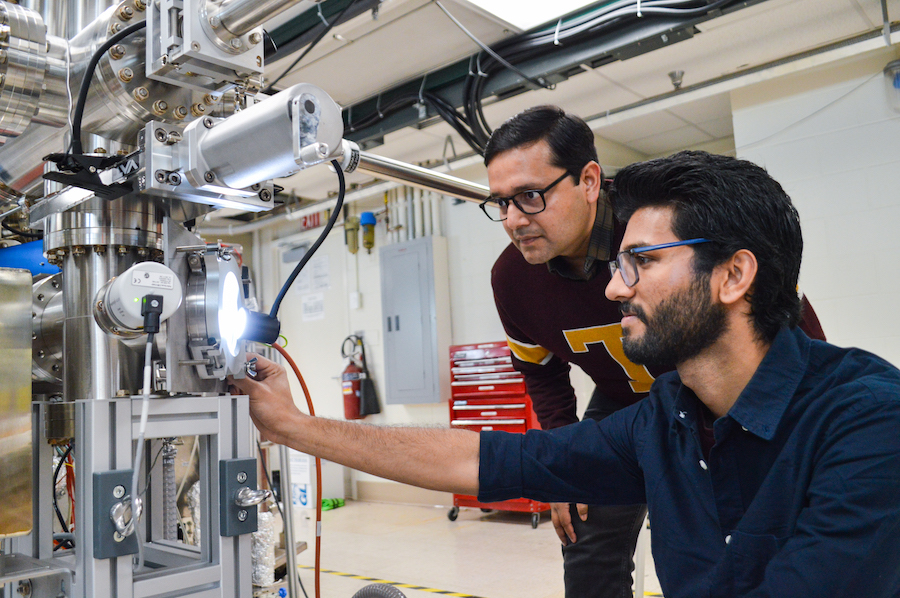
A University of Minnesota-led team has developed a first-of-its-kind, breakthrough method that makes it easier to create high-quality metal oxide thin films out of “stubborn” metals that have historically been difficult to synthesize in an atomically
Viewed by
You are the first to view

Astronomers discovered only relatively recently that black hole jets emit X-rays, and how the jets accelerate particles to this high-energy state is a mystery.
3 similar
Viewed by
You are the first to view
Pythagoras The Prankster And His Greedy Pythagorean Cup - IFLScience
6/1/23 at 8:00am

Legend has it Pythagoras himself designed this little practical joke.
Viewed by
You are the first to view
Student Investigation to Fly on SpaceX CRS-28 - ISS National Lab
6/1/23 at 8:00am

High school student Pristine Onuoha— winner of the Genes in Space 2022 competition— designed her investigation to use microgravity for Earth-based benefits.
Viewed by
You are the first to view
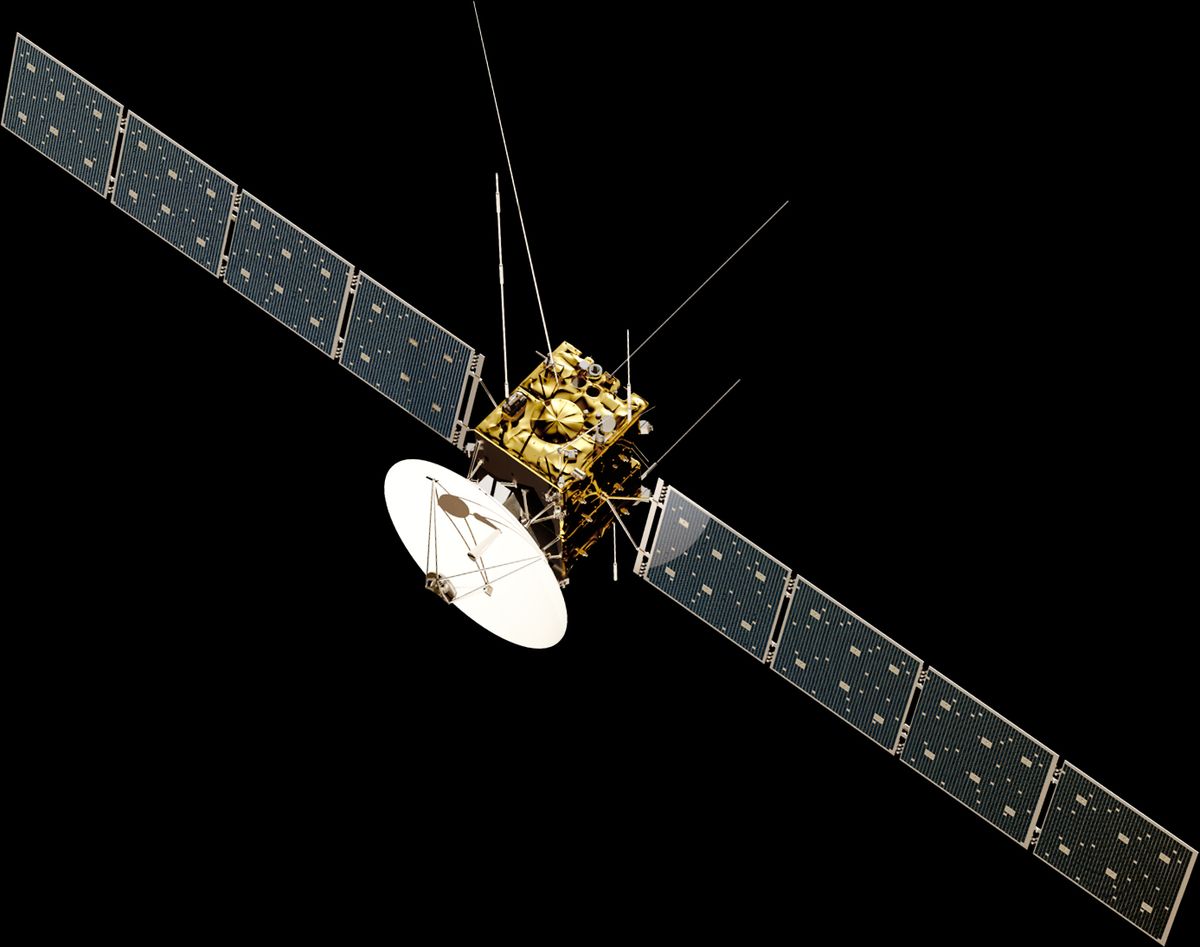
The spacecraft is now in full flight configuration after six weeks in space.
Viewed by
You are the first to view
Study finds Neanderthals manufactured synthetic material with underground distillation - Phys.org
6/1/23 at 6:06am
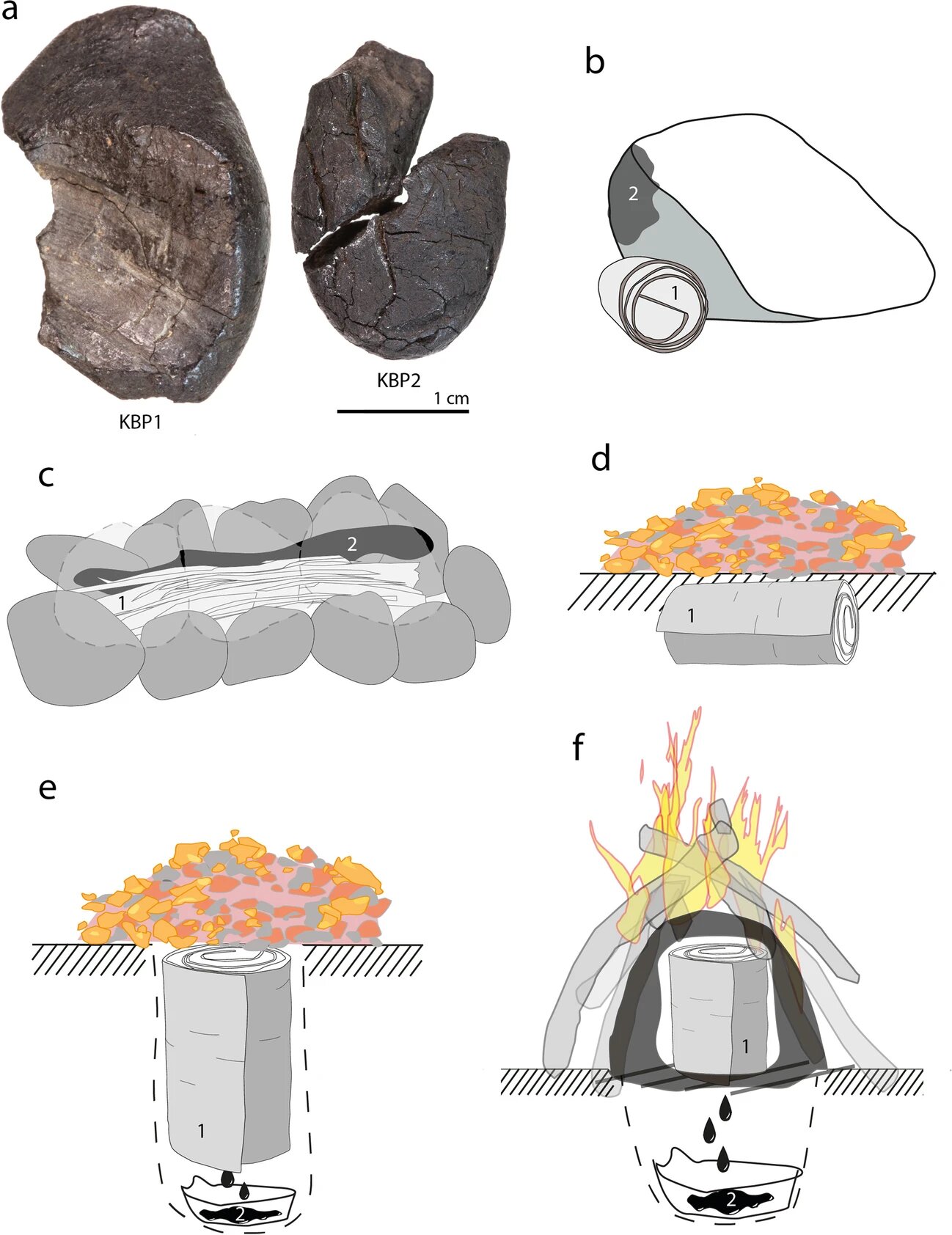
Researchers at the Eberhard Karls University of Tübingen and colleagues in Germany have taken a closer look at the birch tar used to affix Neanderthal tools and found a much more complex technique for creating the adhesive than previously considered.
Viewed by
You are the first to view

Microrobots, smaller than human hair, could soon be used to treat humans
Viewed by
You are the first to view