- You need to sign in or sign up before continuing.
Skylab at 50 – How the United States entered the space station era - NASASpaceFlight.com - NASASpaceflight.com
5/15/23 at 11:05pm

On May 14, 1973, the final Saturn V rocket lifted off to deploy Skylab, America’s…
Viewed by
You are the first to view
Exploring the human retina: A detailed look - Tech Explorist
5/15/23 at 11:05pm
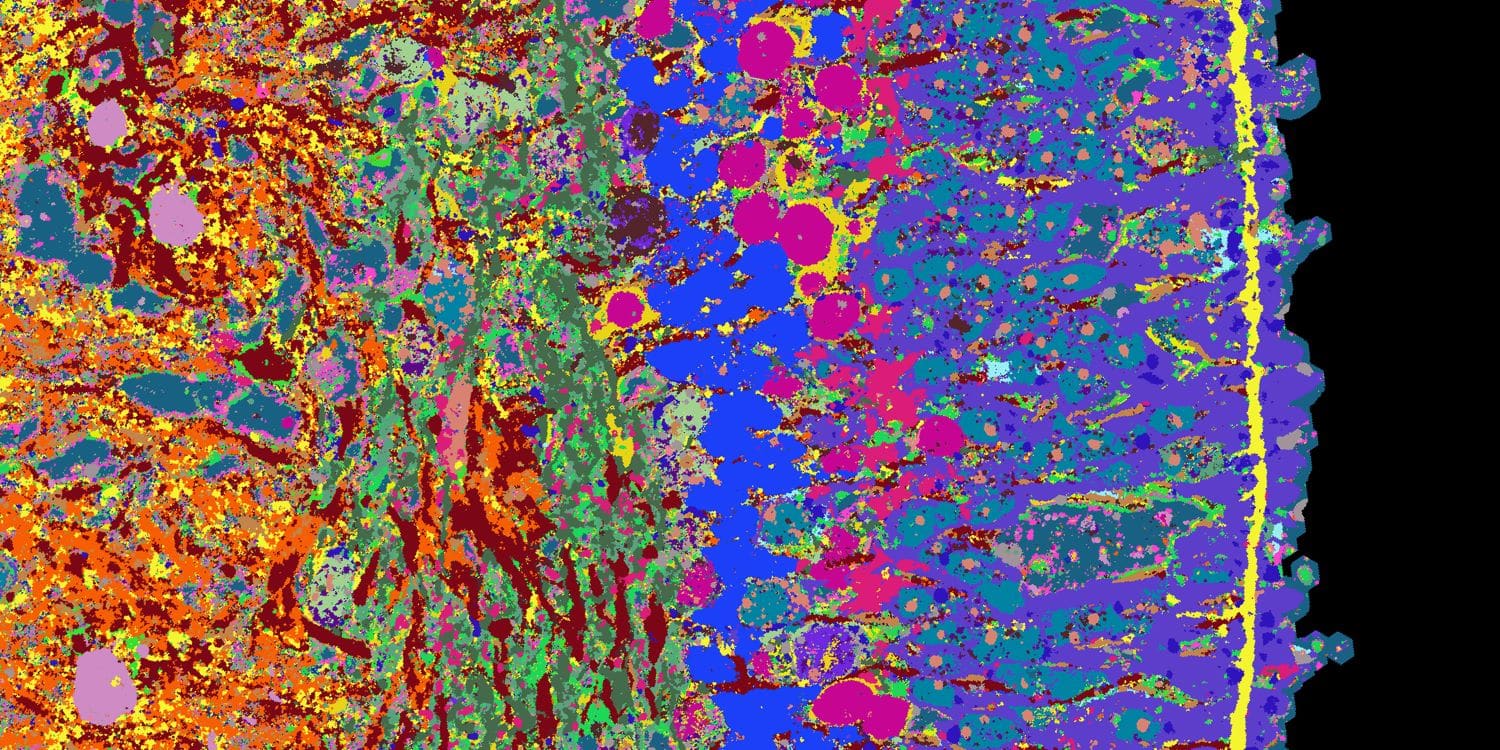
A new atlas illustrates how the human retina is developing.
Viewed by
You are the first to view
Black Holes Might be Defects in Spacetime - Universe Today
5/15/23 at 11:05pm

A team of theoretical physicists have discovered strange structures that would be defects in the very fabric of the universe.
Viewed by
You are the first to view
How fast is the universe really expanding? Multiple views of an exploding star raise new questions - Phys.org
5/15/23 at 11:05pm
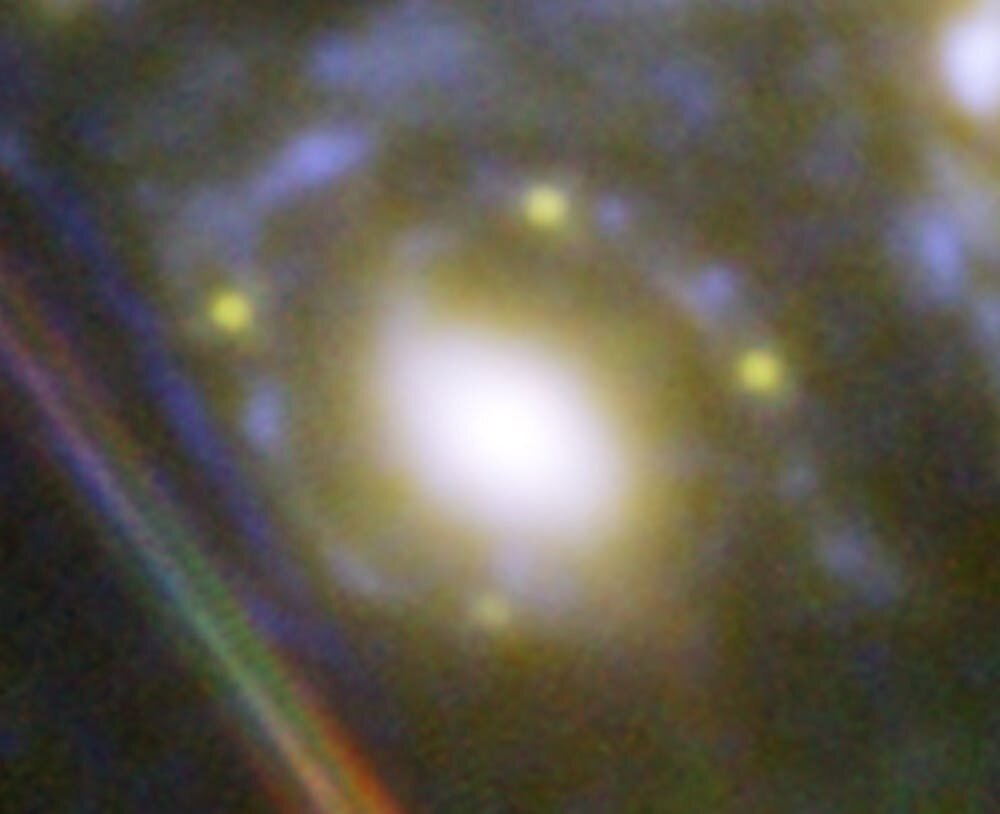
How did we get here? Where are we going? And how long will it take? These questions are as old as humanity itself, and, if they've already been asked by other species elsewhere in the universe, potentially very much older than that.
Viewed by
You are the first to view
Supercomputers revealed giant “pillars of heat” funnelling diamonds upwards from deep within Earth - Freethink
5/15/23 at 11:05pm
Understanding Earth’s internal history can be used to target mineral reserves – not only diamonds, but also crucial minerals.
Viewed by
You are the first to view
New Stunning Image Revealed Intense Activity Near a Supermassive Black Hole - The Globe's Talk
5/15/23 at 11:05pm
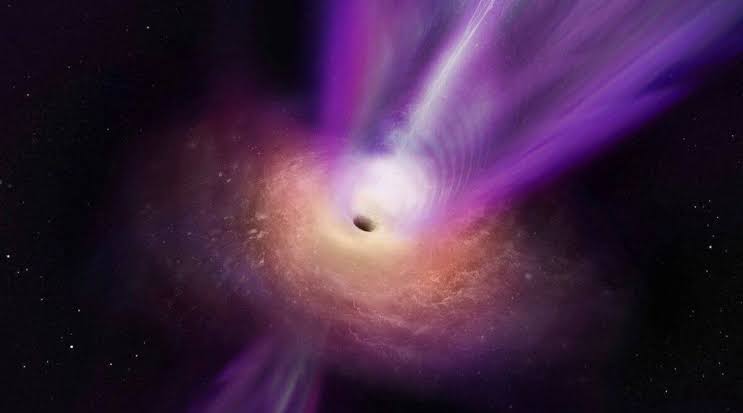
The Event Horizon Telescope (EHT) team revealed the first radio picture of M87’s core black hole in May 2022. It was an incredible discovery based on
Viewed by
You are the first to view
Flip-flopping magnetic fields hint at a solution for puzzling fast radio bursts from space - Phys.org
5/15/23 at 11:05pm

Fast radio bursts—intense, milliseconds-long flashes of radio energy from outer space—have puzzled astronomers since they were first spotted in 2007. A single burst can emit as much energy in its brief life as the Sun does in a few days.
Viewed by
You are the first to view
Mars Rover Finds Signs of a Robust Ancient River - Newser
5/16/23 at 3:00pm
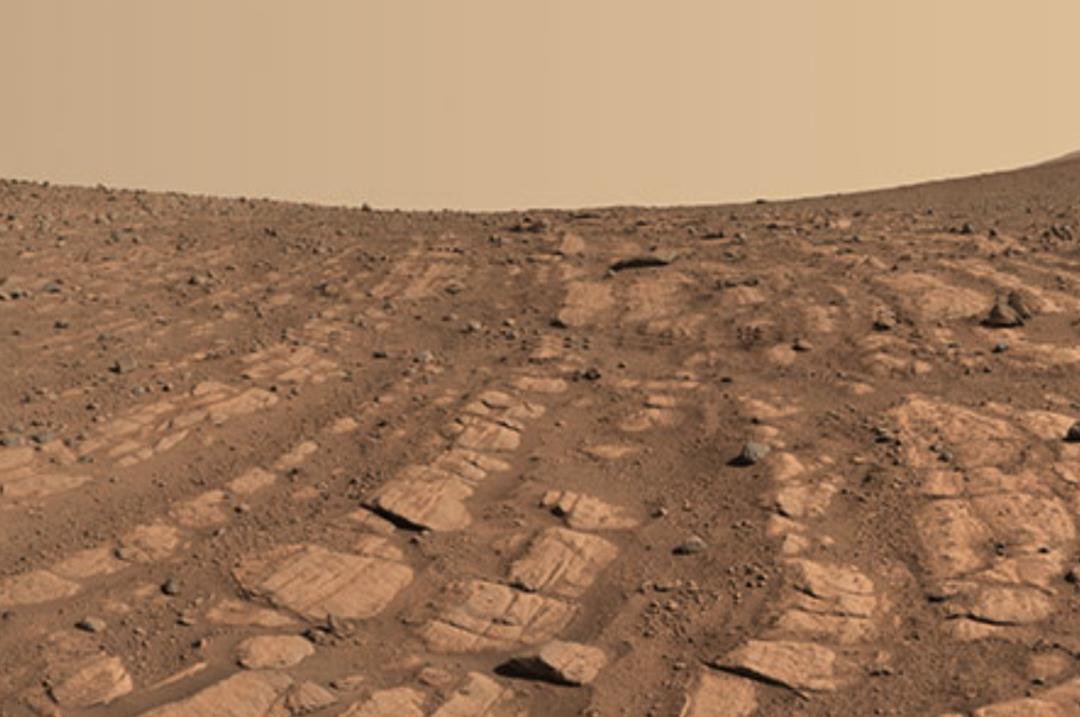
A new discovery could lead to clues about planet's ability to support life
Viewed by
You are the first to view
The First Spark of Life on Earth May Have Come from the Sun - Syfy
5/15/23 at 11:05pm

Super solar flares hitting the early Earth could have created prebiotic molecules, sparking origin of life.
Viewed by
You are the first to view
Astronomers find two-exoplanets, larger than Earth - Geo News
5/16/23 at 3:00pm
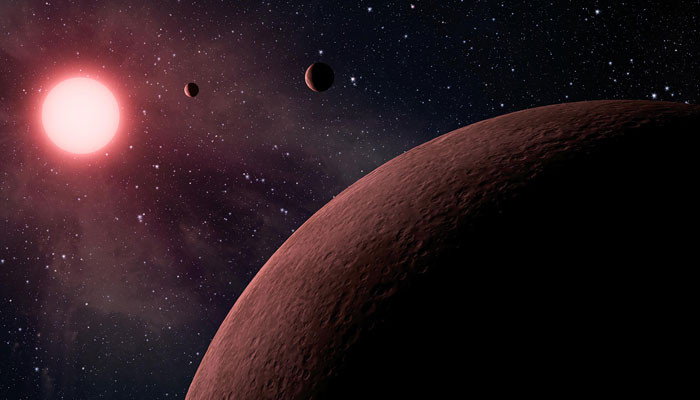
Astronomers eyeing to follow up on discovery of two super-Earths by making precise measurements of their radial velocity
Viewed by
You are the first to view
Polarized optical emission from tidal disruption found to be caused by colliding streams of material from a star - Phys.org
5/15/23 at 1:12pm

A team of space scientists from Finland, Greece and the U.S. has found evidence showing that polarized optical emissions observed during a tidal disruption event were caused by colliding streams of material from a destroyed star. In their study, reported in t…
Viewed by
You are the first to view
Chinese scientists develop cutting-edge tech for 3D ceramic printing in the air - South China Morning Post
5/15/23 at 11:05pm
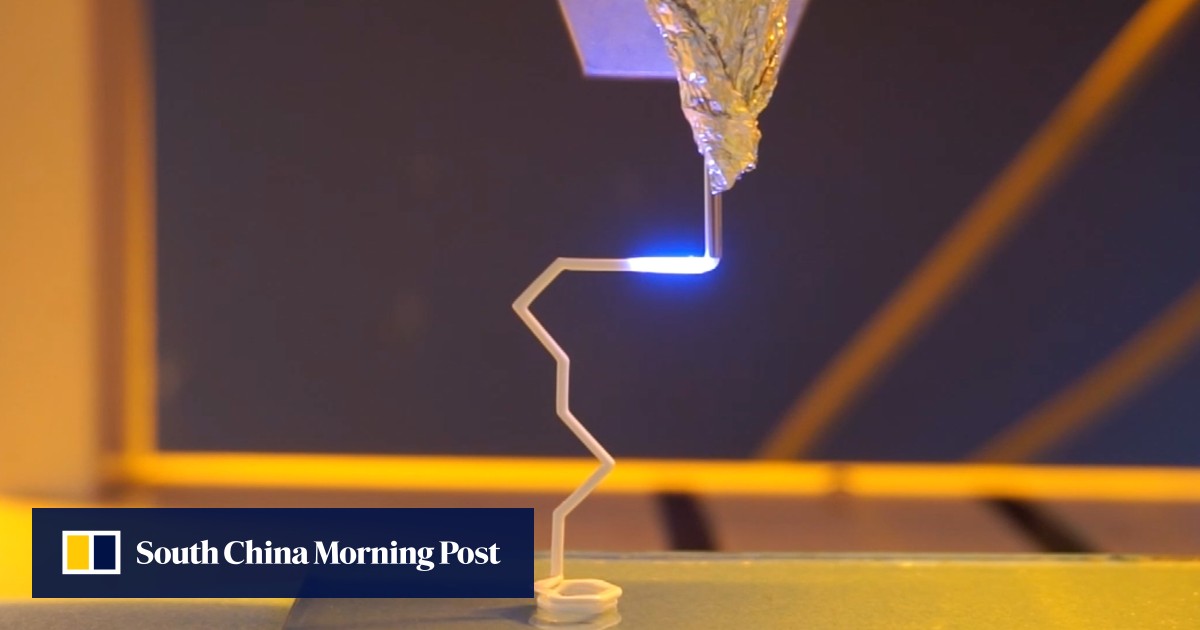
Jiangnan University team creates new printing paste and improved curing technique to enhance 3D printing efficiency and remove need for support structures.
Viewed by
You are the first to view

Researchers have confirmed that an avocado-sized rock that smashed through a New Jersey roof is a meteorite.
Viewed by
You are the first to view
Carbon Neutral Biochemicals: Transforming CO2 Into Valuable Materials Using Formic Acid - SciTechDaily
5/15/23 at 11:05pm

Scientists at the Max Planck Institute have created a synthetic metabolic pathway that converts carbon dioxide into formaldehyde via formic acid, offering a carbon-neutral method for producing valuable materials. New synthetic metabolic pathways for the fixat…
Viewed by
You are the first to view

A multi-institute research team based in China has fabricated a novel family of metallic compounds, each of which exhibit unique properties desirable for next-generation technologies.
1 similar
Viewed by
You are the first to view
Saturn beats other planets with most number of moons in solar system - Sakshi Post
5/15/23 at 11:05pm

Toronto, May 14 (IANS) An international team of astronomers has discovered 62 new moons orbiting Saturn, taking the total number...
Viewed by
You are the first to view
A Hole New World: RIKEN's Breakthrough in Silicon Quantum Dot Lifespan - SciTechDaily
5/16/23 at 3:00pm

Modeling Longer-Lived Holes in Silicon Quantum Dots To Advance the Development of Quantum Computers RIKEN physicists have developed a theoretical model to optimize semiconductor nanodevices, demonstrating that carefully designed quantum dots can create robust…
Viewed by
You are the first to view
Membrane technology inspired by milk reaction could revolutionize wearables - Interesting Engineering
5/15/23 at 11:05pm

This simple, yet effective process can rapidly create 2D ionogel membranes which could be used in batteries and wearable tech.
Viewed by
You are the first to view
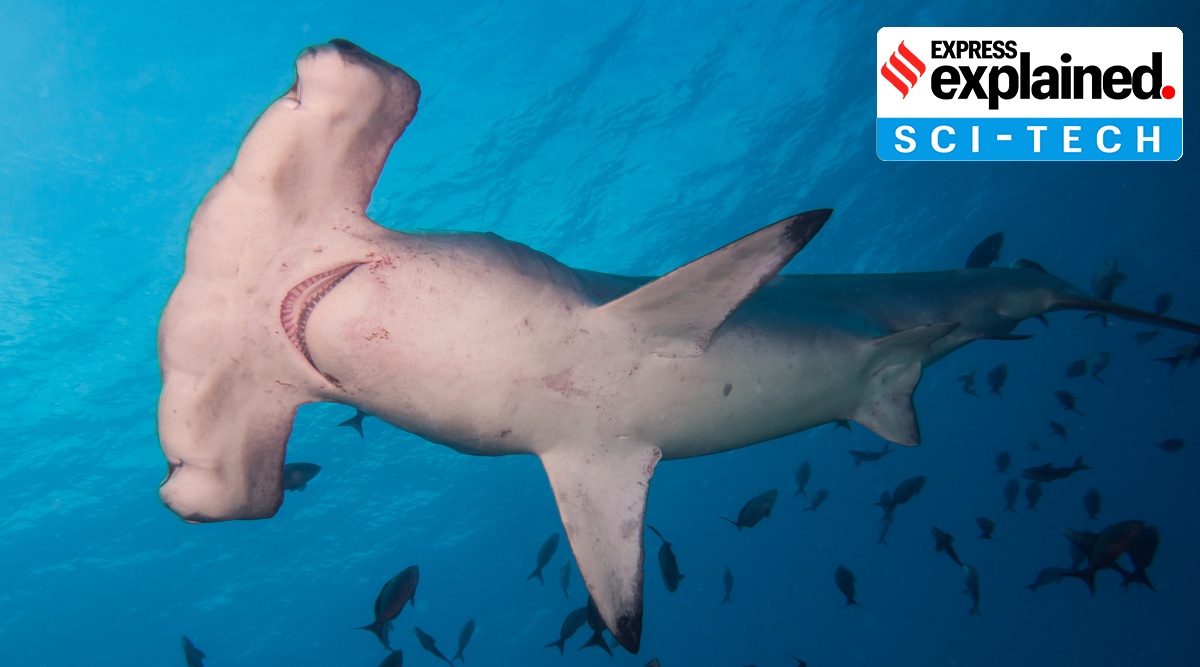
To survive as they seek food in freezing parts of the ocean, hammerhead sharks use a trick that hasn’t been observed in other fish.
Viewed by
You are the first to view
NASA tests its spectacular new snake robot in the field. Next stop: Saturn - Gearrice
5/16/23 at 3:00pm

join the conversation
Viewed by
You are the first to view
Scientists criticise Nasa for halting Kuiper Belt mission - Geo News
5/15/23 at 7:05pm
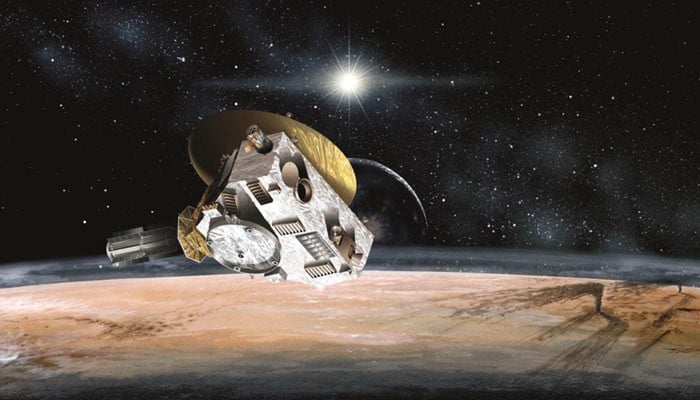
Scientists could not reach Kuiper Belt due to its remote distance therefore New Horizons was built to get there
1 similar
Viewed by
You are the first to view
Low-cost material paves the way for cost-effective hydrogen production - Inceptive Mind
5/16/23 at 3:00pm
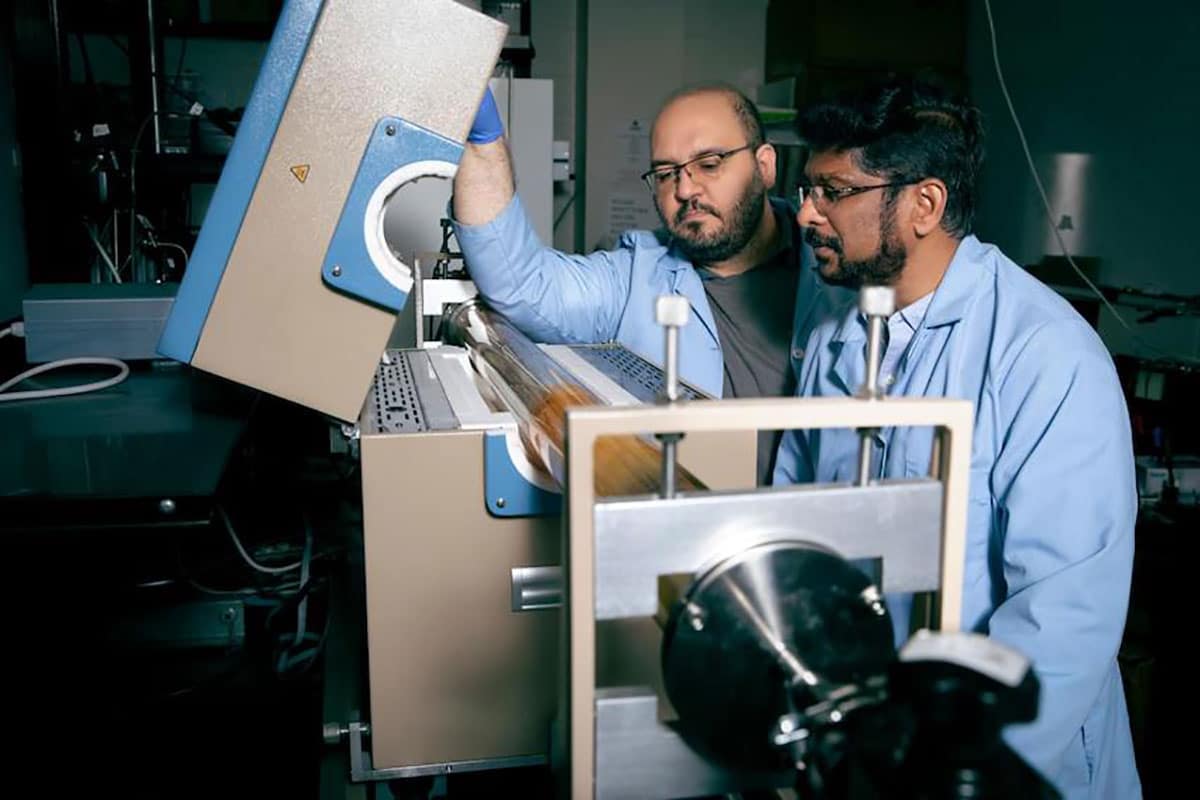
The Cactus plant inspires cost-effective hydrogen production.
Viewed by
You are the first to view
Blastoff! SpaceX launches 56 Starlink satellites, nails landing at sea - VideoFromSpace
5/15/23 at 11:05pm

A SpaceX Falcon 9 rocket launched 56 Starlink satellites from Cape Canaveral Space Force Station in Florida on May 14, 2023 at 1:03 a.m. EDT (0503 GMT). Full...
Viewed by
You are the first to view
Artemis II Will Phone Home From The Moon Using Laser Beams - Hackaday
5/15/23 at 11:05pm
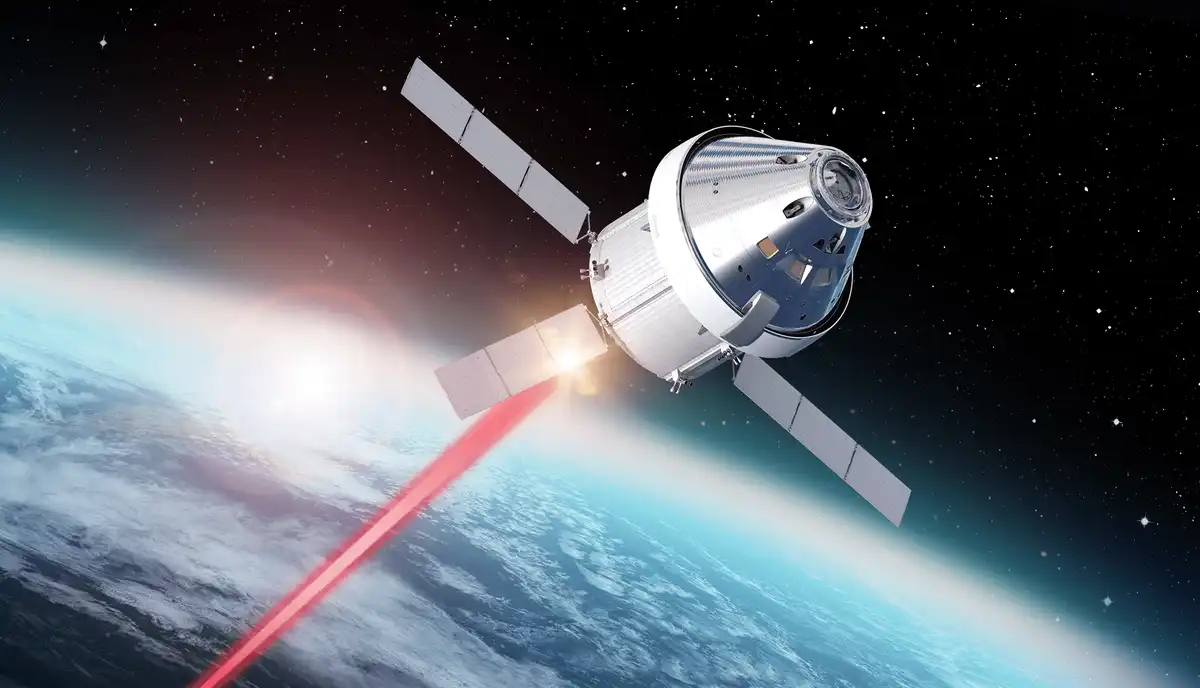
[NASA] Astronauts will be testing the Orion Artemis II Optical Communications System (O2O) to transmit live, 4K ultra-high-definition video back to Earth from the Moon. The system will also support…
Viewed by
You are the first to view
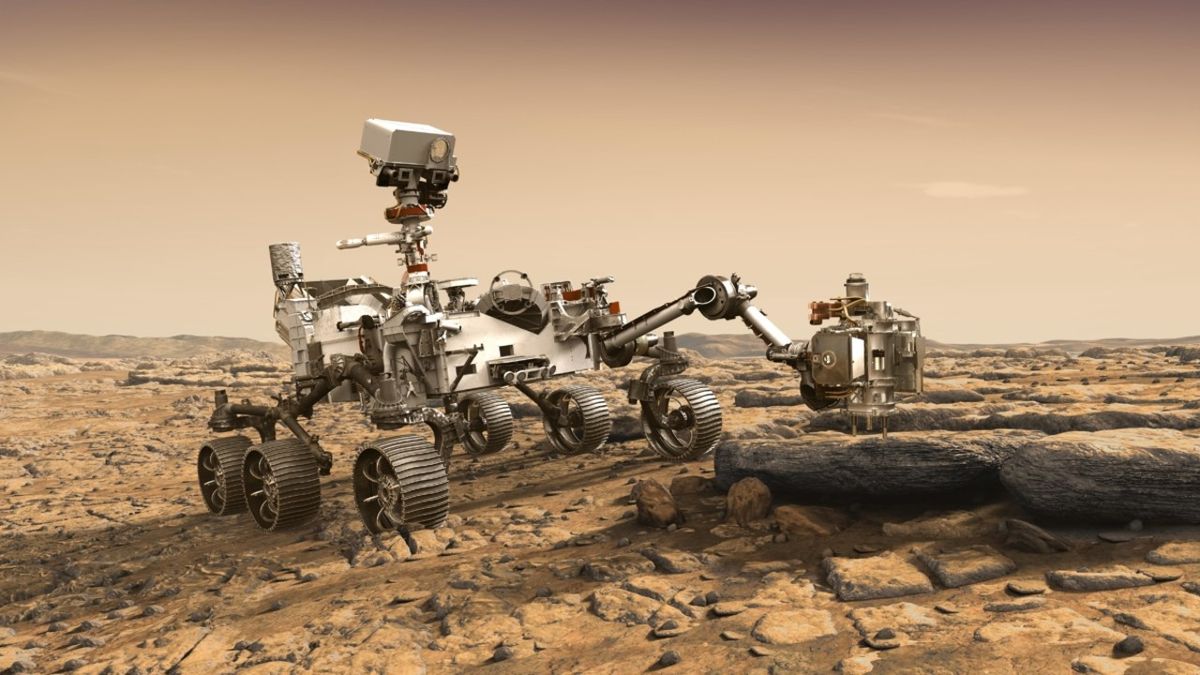
"This is not trivial. It is not just a paper. It is about who we really want to become as a species."
Viewed by
You are the first to view