Giant Claw for Removing Space Junk Is Now One Step Closer to Reality - Gizmodo Australia
2/25/23 at 3:00pm

ClearSpace, a Swiss space company, has secured clearance from the European Space Agency after the company’s first program review of...
Viewed by
You are the first to view
New insights into chordate body plan development answer long-standing questions on evolution - Phys.org
2/25/23 at 3:00pm

Life began on Earth more than 3.5 billion years ago, but the history of humans and other vertebrates accounts for only a fraction of this timescale. Chordates (a group that includes vertebrates) and echinoderms (like starfish and sea urchins) are believed to …
Viewed by
You are the first to view

Chemists say thin films of PBDF hold great potential for flexible electronics
Viewed by
You are the first to view
2D Janus materials could harvest abundant hydrogen fuel - Phys.org
2/25/23 at 3:00pm
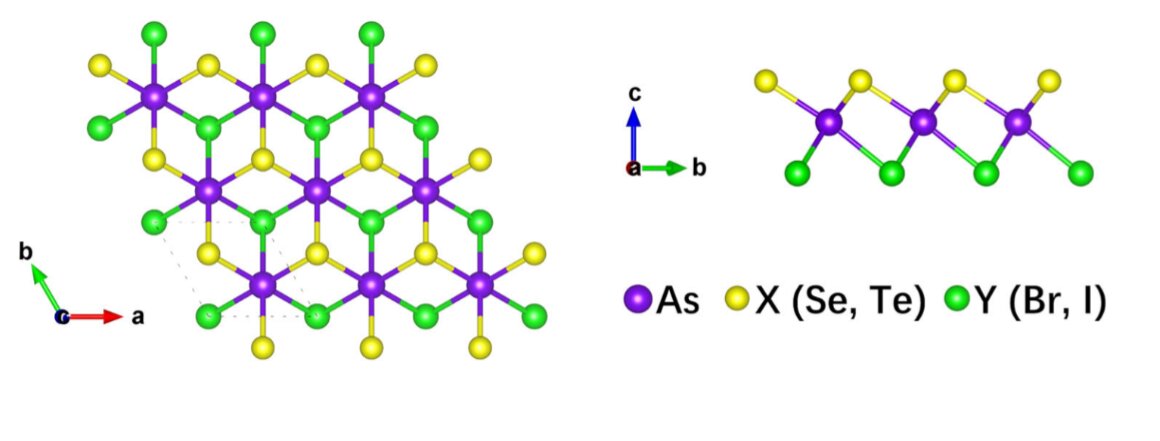
Several studies have predicted that the water splitting reaction could be catalyzed by certain groups of 2D materials—each measuring just a few atoms thick. One particularly promising group are named 2D Janus materials, whose two sides each feature a differen…
Viewed by
You are the first to view
Examining heat transfer in granular materials - Phys.org
2/25/23 at 3:00pm

Granular materials contain large numbers of small, discrete particles, which collectively behave like uniform media. Their thermal conductivity is crucial to understanding their overall behavior—but so far, researchers haven't considered how this value is aff…
Viewed by
You are the first to view

Researchers have recorded new insights which could help advance the next generation of solar fuels
Viewed by
You are the first to view
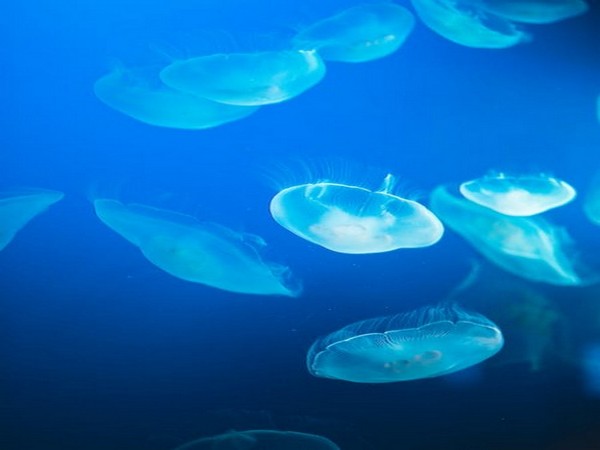
According to a study, when scientists transformed a single regulatory gene in a sea anemone species, a stinging cell that normally shoots a venomous miniature harpoon for hunting and self-defence switched to shooting a sticky thread that entangles prey.
Viewed by
You are the first to view
How stars die - Big Think
2/25/23 at 3:00pm

Nothing in this Universe is eternal — not even the stars.
Viewed by
You are the first to view
Mining on the moon is no longer a loony idea, and Canada can capitalize on it: Heather Exner-Pirot | Macdonald-Laurier Institute - The Macdonald-Laurier Institute
2/26/23 at 3:00pm

The splashdown of NASA’s Orion spacecraft last month in the Pacific Ocean may have ended the successful Artemis I mission, but humankind’s return to the moon is just getting started, and with it a fantastic opportunity for Canada.
Viewed by
You are the first to view
Scientists Detect "Heartbeat-Like" Signal From the Sun - Futurism
2/25/23 at 3:00pm

A team of researchers has made an unusual discovery: a series of "heartbeat"-like radio bursts emanating from a solar flare above the Sun's surface.
1 similar
Viewed by
You are the first to view

Scientists have successfully recorded brain activity from freely moving octopuses, a feat made possible by implanting electrodes and a data logger directly into the creatures.
1 similar
Viewed by
You are the first to view
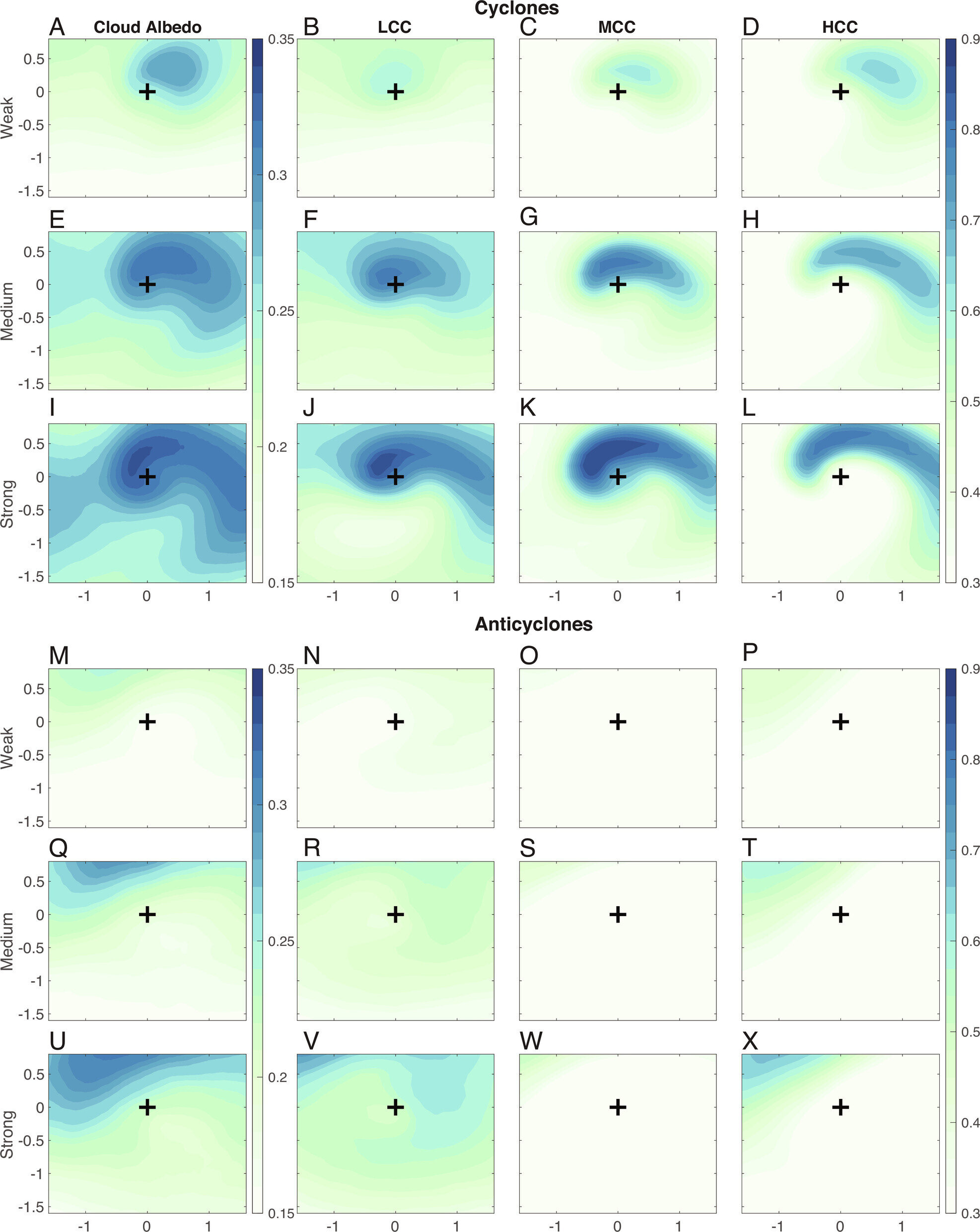
When looking at the Earth from space, its hemispheres—northern and southern—appear equally bright. This is particularly unexpected because the Southern Hemisphere is mostly covered with dark oceans, whereas the Northern Hemisphere has a vast land area that is…
Viewed by
You are the first to view
E-skin developed to boost self-awareness in soft robots - The Irish News
2/25/23 at 3:00pm

A team from the University of Edinburgh has described it as a technological breakthrough.
1 similar
Viewed by
You are the first to view
Theory can sort order from chaos in complex quantum systems - Phys.org
2/25/23 at 3:00pm
It's not easy to make sense of quantum-scale motion, but a new mathematical theory developed by scientists at Rice University and Oxford University could help—and may provide insight into improving a variety of computing, electrochemical and biological system…
Viewed by
You are the first to view

A team from the University of Edinburgh has described it as a technological breakthrough.
1 similar
Viewed by
You are the first to view
View Jupiter and Venus near the Moon just after sunset this week - KSAT San Antonio
2/25/23 at 3:00pm

The two brightest planets in our sky are getting cozy this month. Jupiter and Venus will appear close together each evening just after sunset and will be visible near the waxing crescent Moon.
Viewed by
You are the first to view
Eyes on Hera: Asteroid mission's cameras ready - European Space Agency
2/25/23 at 3:00pm
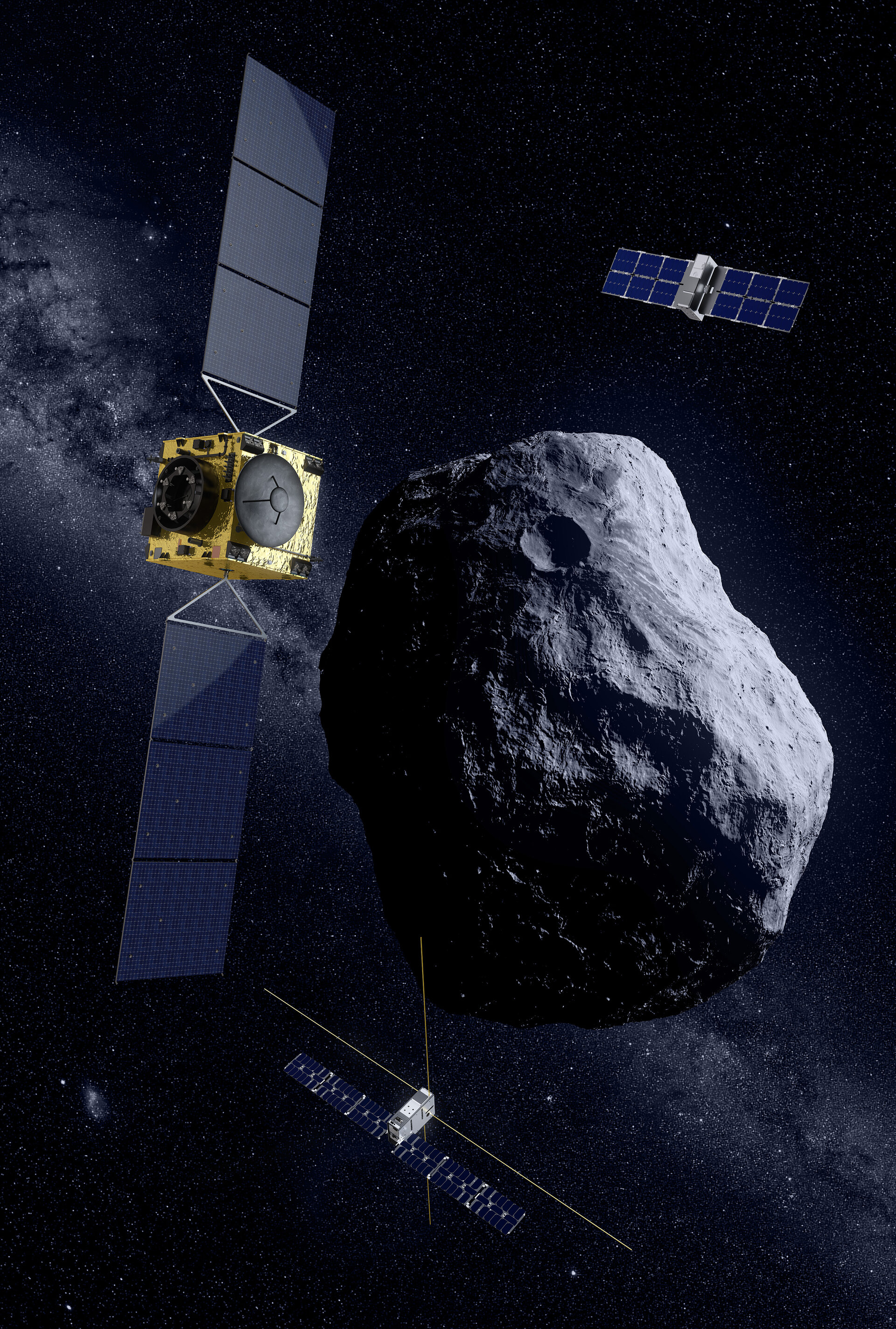
ESA’s Hera asteroid mission for planetary defence is about to gain its sight. Two complete and fully tested Asteroid Framing Cameras have reached OHB in Germany for integration aboard Hera’s payload module. This instrument will provide the very first sta…
Viewed by
You are the first to view
Australian space telescope uncovers surprise ‘monster’ galaxies - South China Morning Post
2/25/23 at 3:00pm

Australia’s Swinburne University of Technology research team said they expected to find little galaxies close to the dawn of the universe, not such whoppers.
Viewed by
You are the first to view
Study unveils an antiferromagnetic metal phase in an electron-doped rare-earth nickelate - Phys.org
2/25/23 at 3:00pm

Researchers at Harvard University, the Lawrence Berkeley National Laboratory, Arizona State University, and other institutes in the United States have recently observed an antiferromagnetic metal phase in electron-doped NdNiO3 a material known to be a non-col…
Viewed by
You are the first to view
Perfectly 'normal' image of space hides horrifying secret – once you see it there's no going back... - The Irish Sun
2/25/23 at 3:00pm

A RESURFACED image of a seemingly innocent night sky actually has a dark secret. At first glance, the image captured by Europes LOw Frequency ARray (LOFAR) radio telescope looks like it’s pac…
Viewed by
You are the first to view
Two new gas giant exoplanets discovered with TESS - Phys.org
2/25/23 at 3:00pm
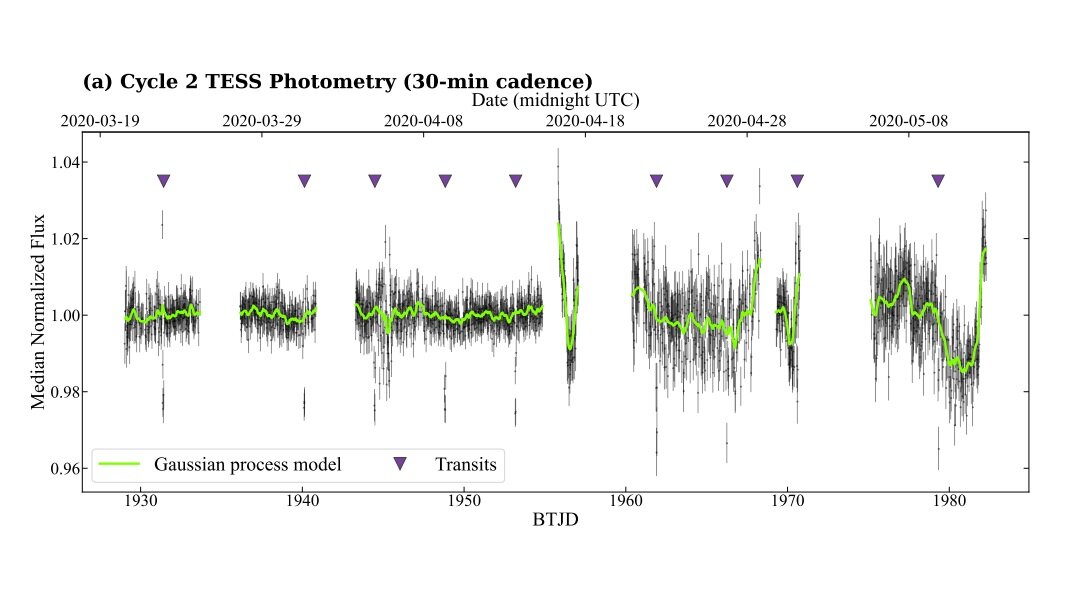
Astronomers report the detection of two new gas giant exoplanets using NASA's Transiting Exoplanet Survey Satellite (TESS). The newfound alien worlds, designated TOI-3984A b and TOI-5293A b, have very short orbital periods. The discovery was detailed in a pap…
Viewed by
You are the first to view
Study explains how Enceladus ejects particles from oceans beneath its surface - Phys.org
2/25/23 at 3:00pm

Although it is relatively small, Enceladus—the sixth largest of Saturn's 83 moons—has been considered by astronomers to be one of the more compelling bodies in our solar system.
Viewed by
You are the first to view
Mushrooms could be mimicked and used to replace plastics, new resea - Innovation Origins - Innovation Origins
2/24/23 at 3:00pm
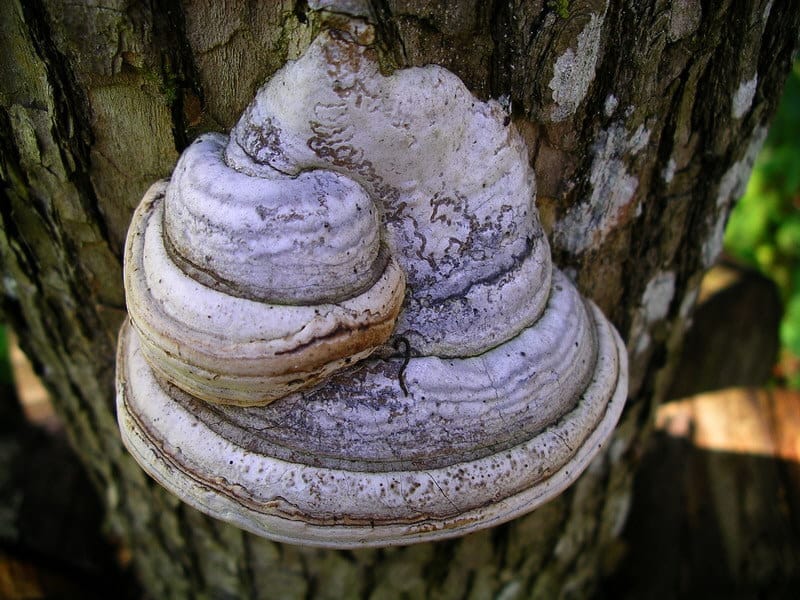
A research group from Finland has unlocked the secret behind the extraordinary mechanical properties and ultra-light weight of certain fungi.
Viewed by
You are the first to view
Gastrointestinal Inflammation Therapy with EMS via Micro or Nanorobots - AZoRobotics
2/24/23 at 3:00pm
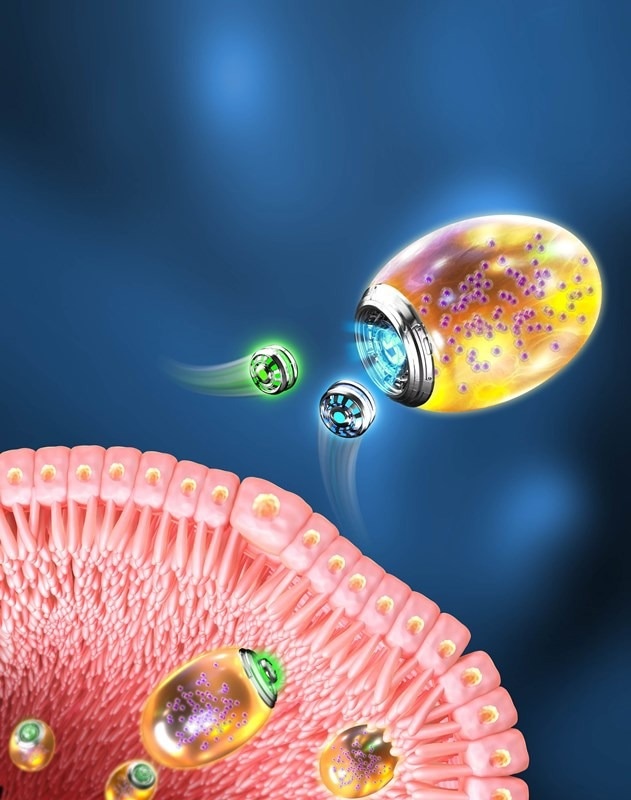
A huge attraction has been gained in drug delivery and therapy by micro or nanorobots with self-propelling and -navigating capabilities as a result of their controllable locomotion in inaccessible body tissues.
Viewed by
You are the first to view
Prospecting for Copper with Machine Learning and Zircons - Eos
2/24/23 at 3:00pm
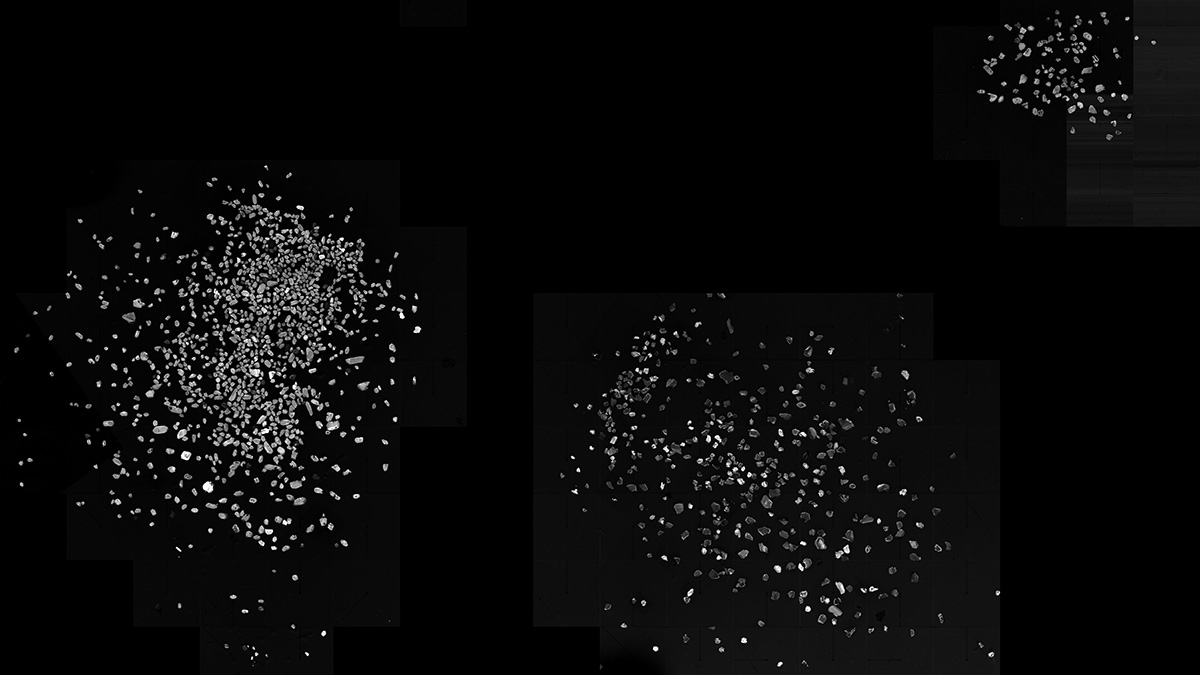
Using artificial intelligence, researchers can now identify zircons derived from valuable copper deposits.
Viewed by
You are the first to view