10-Million-Year-Old Fossils in Turkey Challenge What We Thought We Knew About Mammal Evolution - Indian Defence Review
8/17/25 at 7:51am

Volcanic ash in central Turkey has unveiled a stunning fossil record that may rewrite the story of mammal and human evolution.
Viewed by
You are the first to view
Astronomers discover an 'interstellar tunnel' that connects our solar system to other stars - Earth.com
8/17/25 at 7:51am
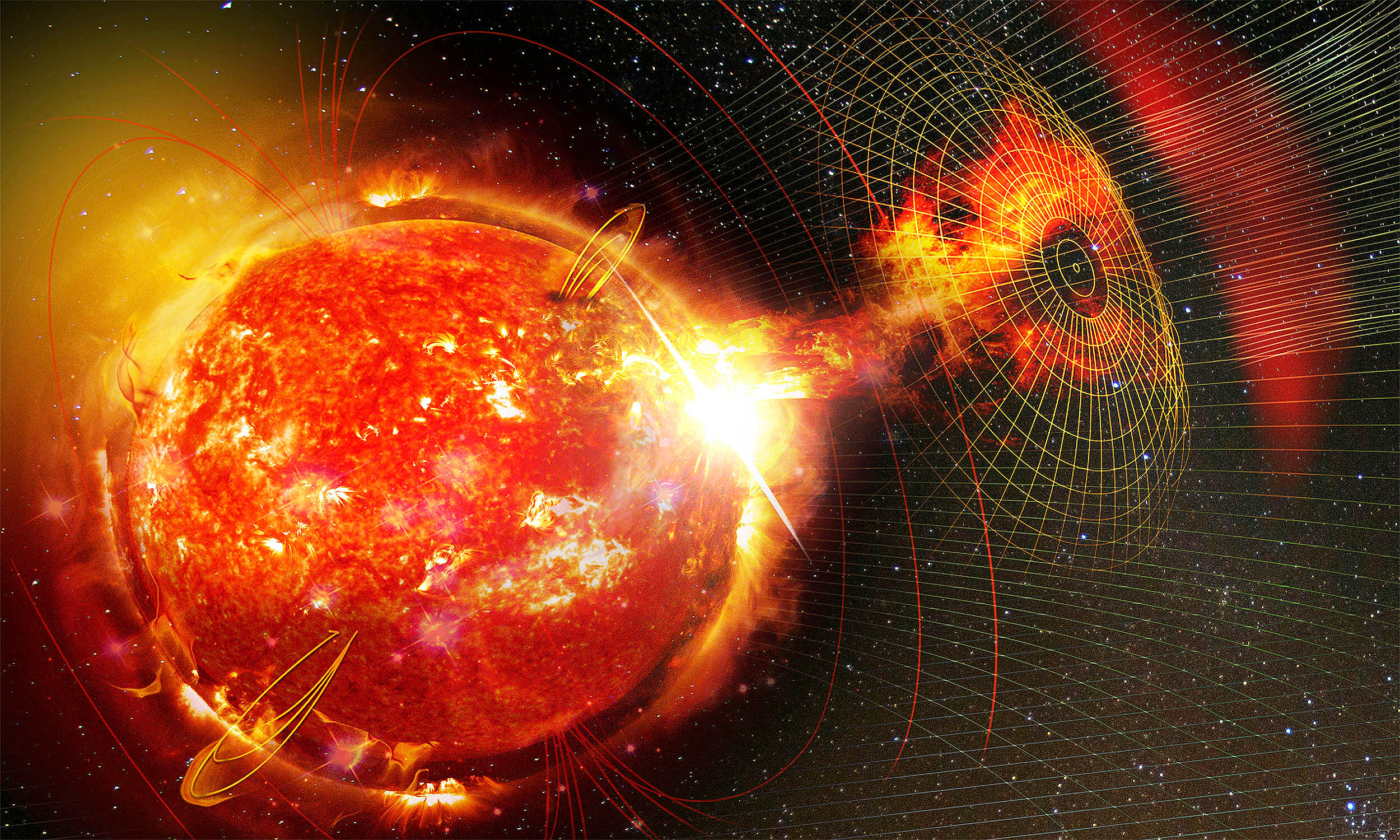
Astronomers found hidden cosmic channels, like tunnels, connecting our solar system to distant stars, reshaping views of interstellar space.
Viewed by
You are the first to view
An Underwater Volcano Off The US Coast Is Set To Erupt in 2025, Raising Excitement And Worry - IFLScience
8/17/25 at 7:51am
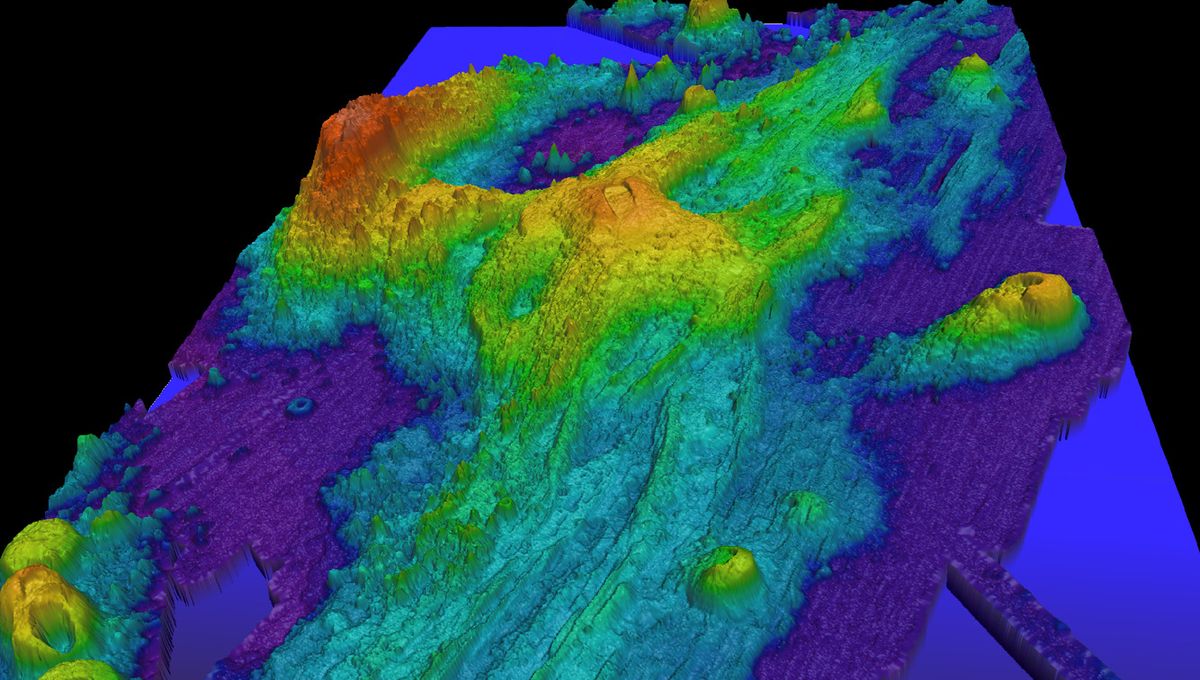
Breakthrough science or deep-sea devastation?
Viewed by
You are the first to view

Astronomers have found oxygen in the universe’s most distant known galaxy—rewriting the timeline of cosmic evolution just 300 million years after the Big Bang.
Viewed by
You are the first to view
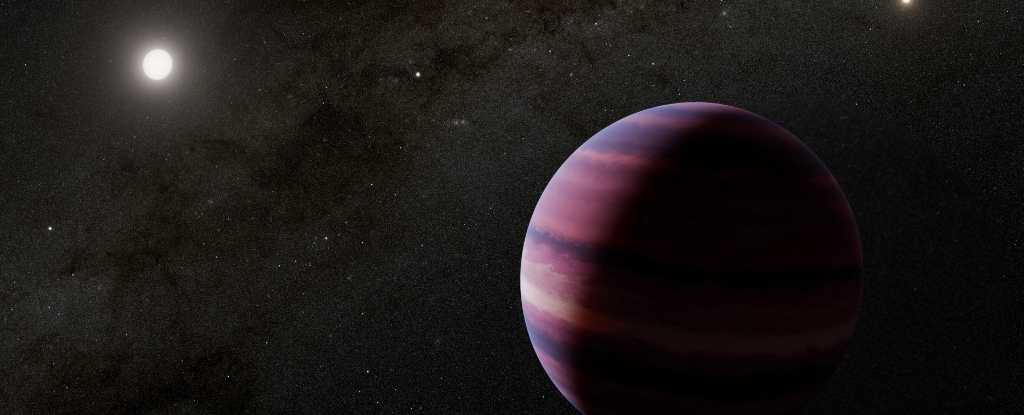
There may be a habitable world at the Sun's closest solar twin.
Viewed by
You are the first to view
James Webb Space Telescope uncovers 300 mysteriously luminous objects. Are they galaxies or something else? - Space
8/17/25 at 7:51am
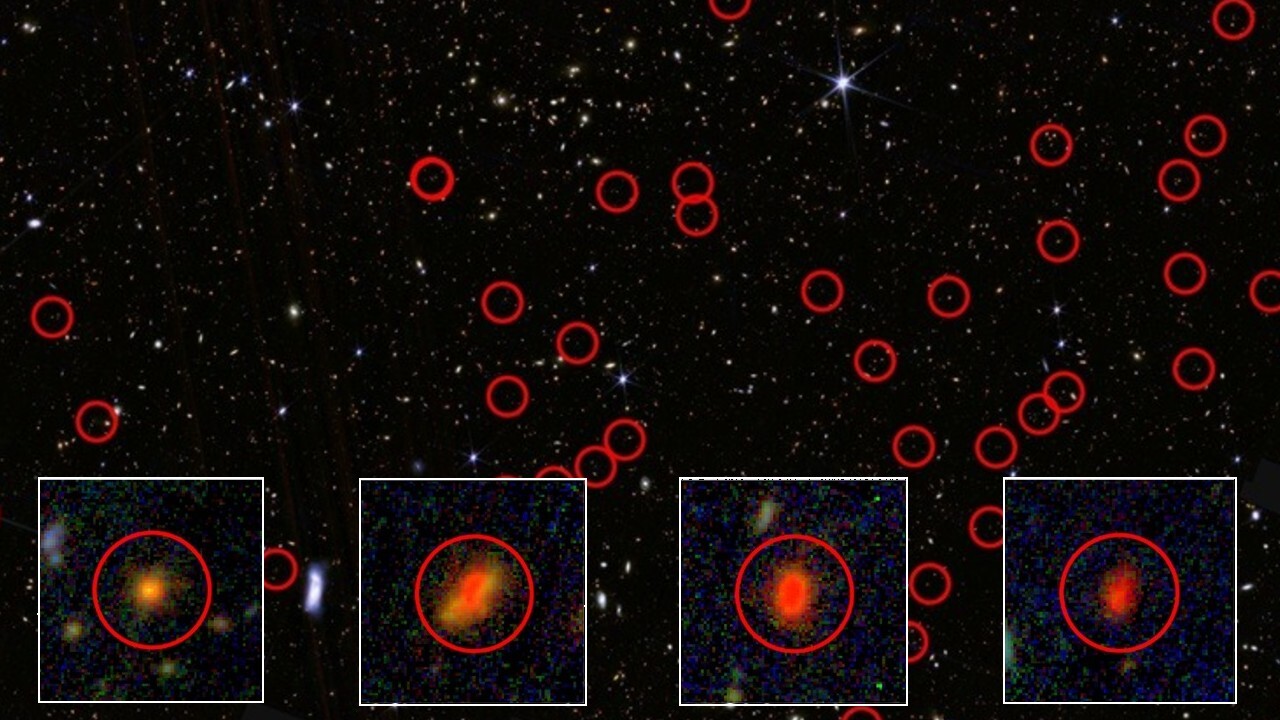
The discovery could challenge current ideas about how galaxies formed in the early universe.
Viewed by
You are the first to view
This baby star's big explosion fired back: 'Nature is far more complex than humans think' - Space
8/17/25 at 7:51am
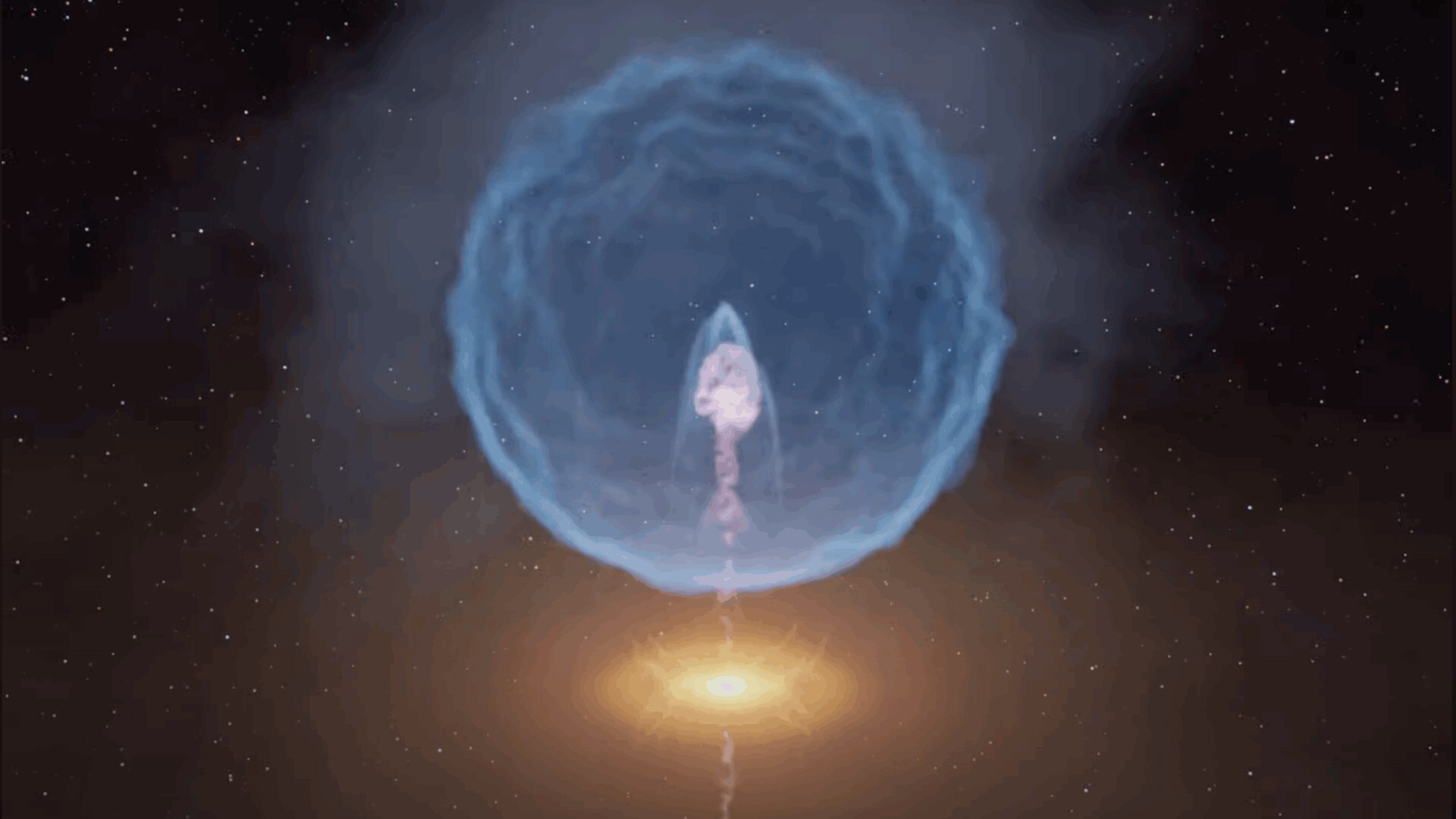
"In science fiction, there are scenes where a beam is fired at something to destroy it, causing an explosion with debris flying back at the shooter. Similar things occur in real astronomical phenomena, but with greater intensity."
Viewed by
You are the first to view
Intergalactic experiment: Researchers hunt for mysterious dark matter particle with clever new trick - Phys.org
8/17/25 at 7:51am

Physicists from the University of Copenhagen have begun using the gigantic magnetic fields of galaxy clusters to observe distant black holes in their search for an elusive particle that has stumped scientists for decades.
Viewed by
You are the first to view
Strange atomic vibration discovered in graphene could solve one of the greatest mysteries in physics - Earth.com
8/17/25 at 7:51am
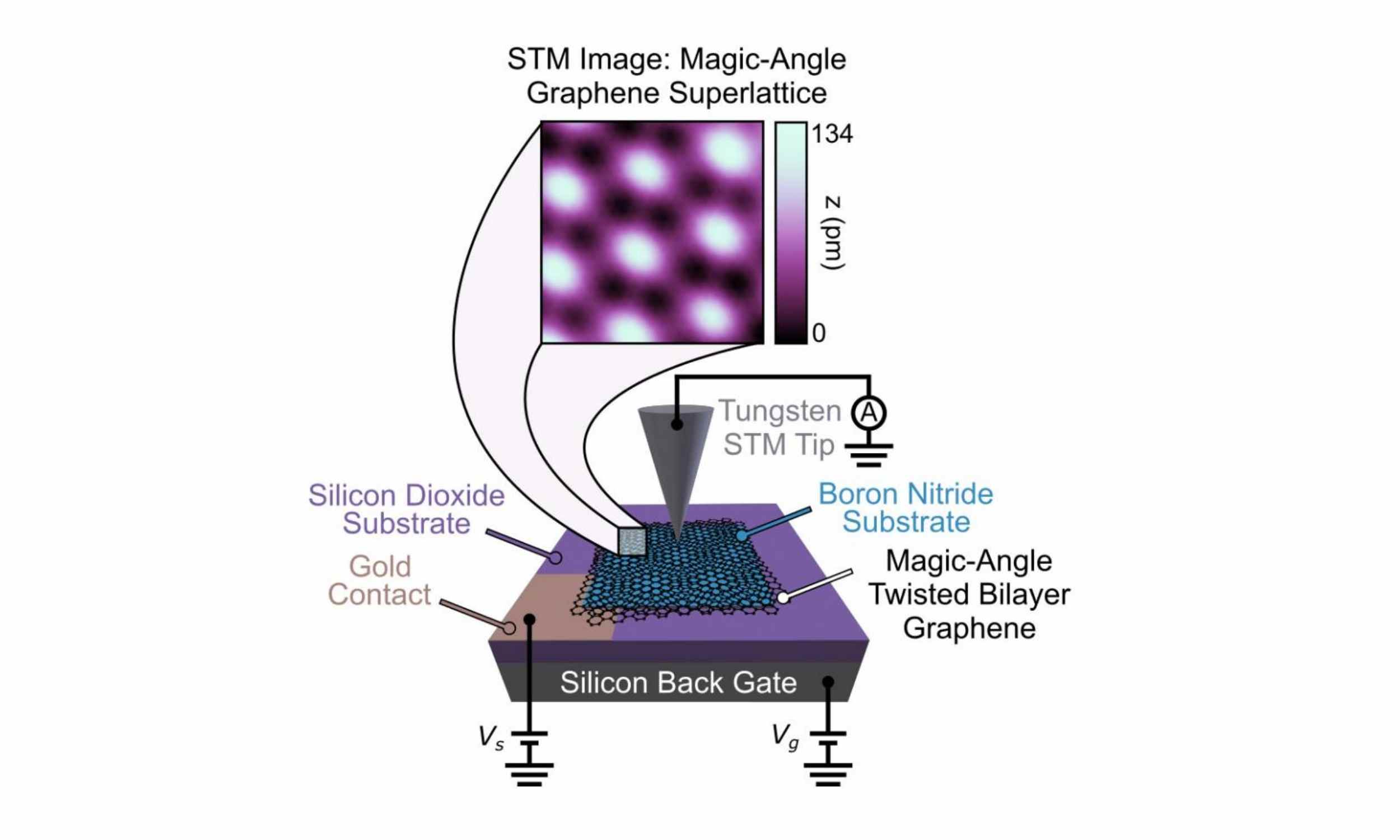
A new microscope allows scientists to watch electrons shake graphene’s atoms in real time, revealing something called "phasons."
Viewed by
You are the first to view
What Should Humanity Do on the Day After an Interstellar Object is Recognized as Technological? - Avi Loeb – Medium
8/17/25 at 7:51am
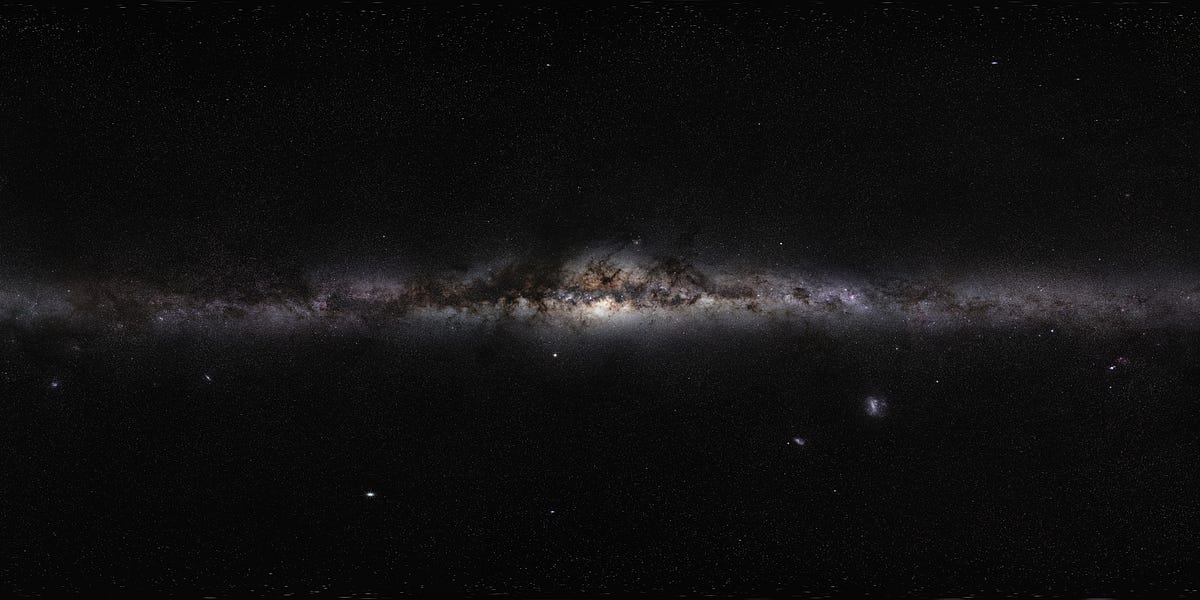
Let us imagine for a moment that the new interstellar object, 3I/ATLAS is a spacecraft, guided to send mini-probes that will arrive at…
Viewed by
You are the first to view
A Giant, Destructive Volcanic Eruption Is Set to Shake the World in the Coming Months, Bringing About the End of Mankind, Scientists Warn - The Daily Galaxy
8/17/25 at 7:51am

Hidden magma chambers, rising heat, and global climate implications are now under intense scrutiny. The stakes go far beyond the American West — and the timeline may be shorter than expected.
Viewed by
You are the first to view
It’s Official: Orcas and Dolphins Have Crossed the “Point of No Return” for Living on Land Once Again - The Daily Galaxy
8/17/25 at 7:51am

Dolphins and orcas have crossed an invisible line in evolution—locking themselves into the ocean with no way back.
Viewed by
You are the first to view
Ghostly 'spiral' photobombs Perseid meteors over several US states — and experts are unsure what caused it - Live Science
8/17/25 at 7:51am
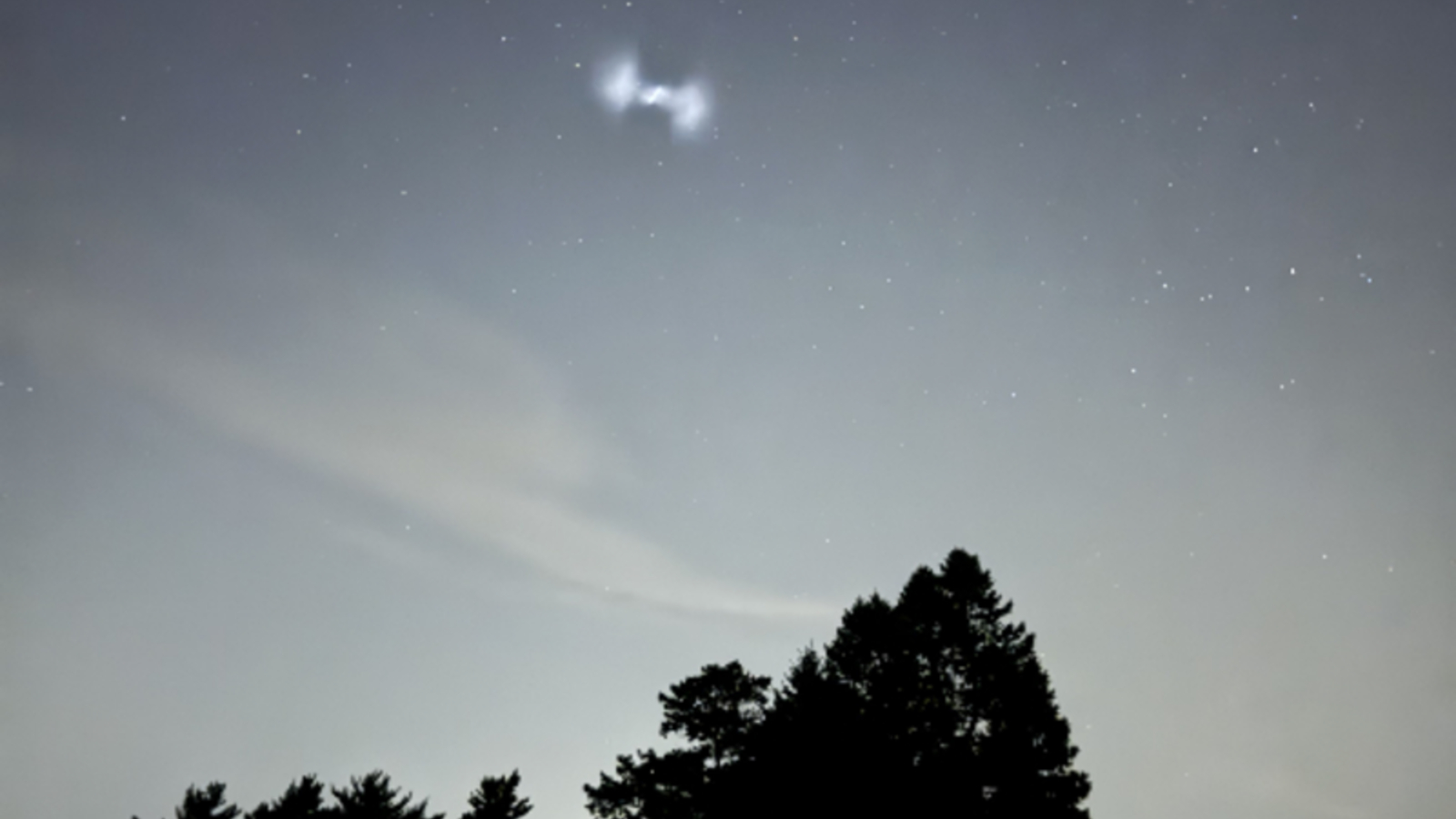
The ghostly light, which was triggered by a rocket reentry, sailed across the night sky as skywatchers across the U.S. looked up to see "shooting stars" streak across the heavens. However, experts are confused over which spacecraft is responsible.
Viewed by
You are the first to view
The fake news that helped put us on a path to Mars - vox.com
8/17/25 at 7:51am

From the New York Times in the early 1900s to Elon Musk’s goals. this we’ve been trying to go to Mars for a century.
Viewed by
You are the first to view

A spectacular “planet parade” (also called an alignment) featuring six planets is visible during August. Here’s when and where to look on Saturday, Aug. 16.
Viewed by
You are the first to view

The Universe was born incredibly hot, and has expanded and cooled ever since. Could life have begun back when space was "room temperature?"
Viewed by
You are the first to view

The Federal Aviation Administration has dismissed the entire membership of a commercial space advisory committee.
Viewed by
You are the first to view
JWST Delivers Bad News About Life on TRAPPIST-1 Planet - ScienceAlert
8/17/25 at 7:51am
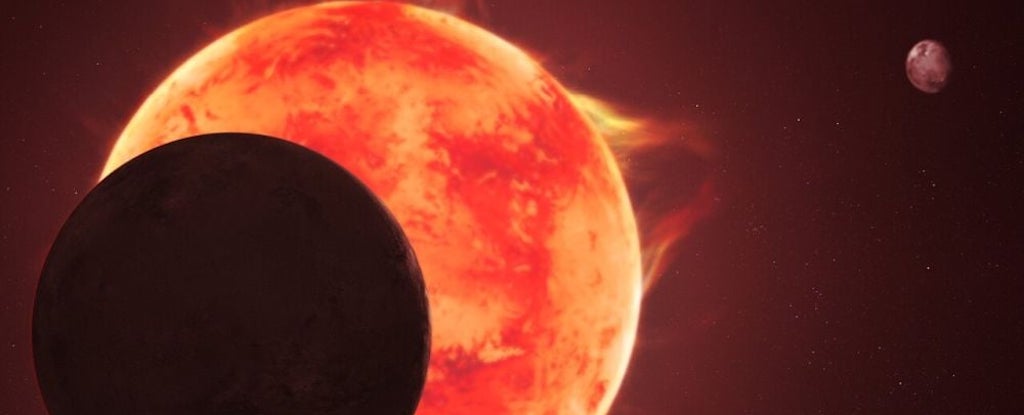
When global events set our minds to wondering if humanity has what it takes to persist, it's natural to wonder about other worlds, other life, other intelligent species, and if those others might be better suited to survive whatever Great Filters they face.
Viewed by
You are the first to view
Ancient DNA Solves Mystery of Hungarian, Finnish Language Family’s Origins - SciTechDaily
8/17/25 at 7:51am
Parent emerged over 4,000 years ago in Siberia, farther east than many thought, then rapidly spread west Ancient DNA is reshaping the story of Europe’s Uralic languages: instead of the Urals, their trail leads ~4,500 years back to Yakutia in northeastern Sibe…
Viewed by
You are the first to view
Got Neanderthal DNA? It Might Halve Your Chances of Becoming an Elite Athlete - SciTechDaily
8/17/25 at 7:51am

A Neanderthal AMPD1 variant still present in some Europeans lowers muscle efficiency and may hinder elite athletic ability. AMPD1 is an enzyme essential for producing energy in muscles and maintaining normal muscular performance. Genetic mutations that reduce…
Viewed by
You are the first to view
Climate pollution is making GPS and communications satellites even more vulnerable to solar storms - CNN
8/17/25 at 7:51am
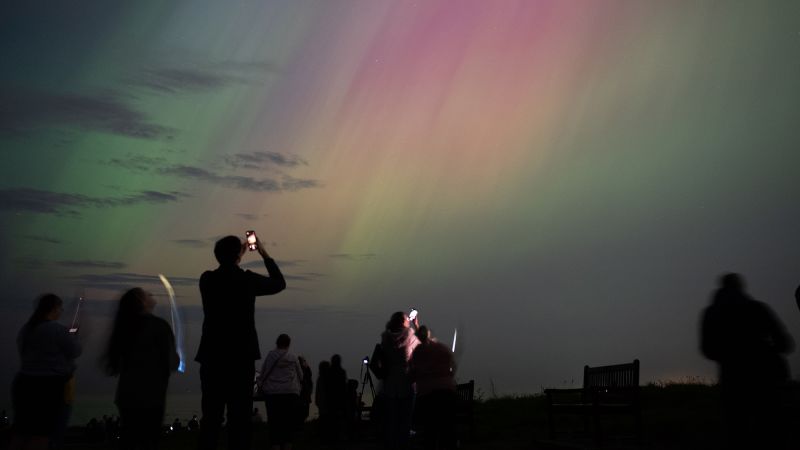
Satellites, including those used for GPS and communications, will face greater risks in coming decades during solar-triggered geomagnetic storms because of the effect climate pollution has on Earth’s atmosphere, a new study found.
Viewed by
You are the first to view
No One Knew Why This Owl Wouldn't Fly — Until Rescuers Looked Into His Eyes - The Dodo
8/17/25 at 7:51am
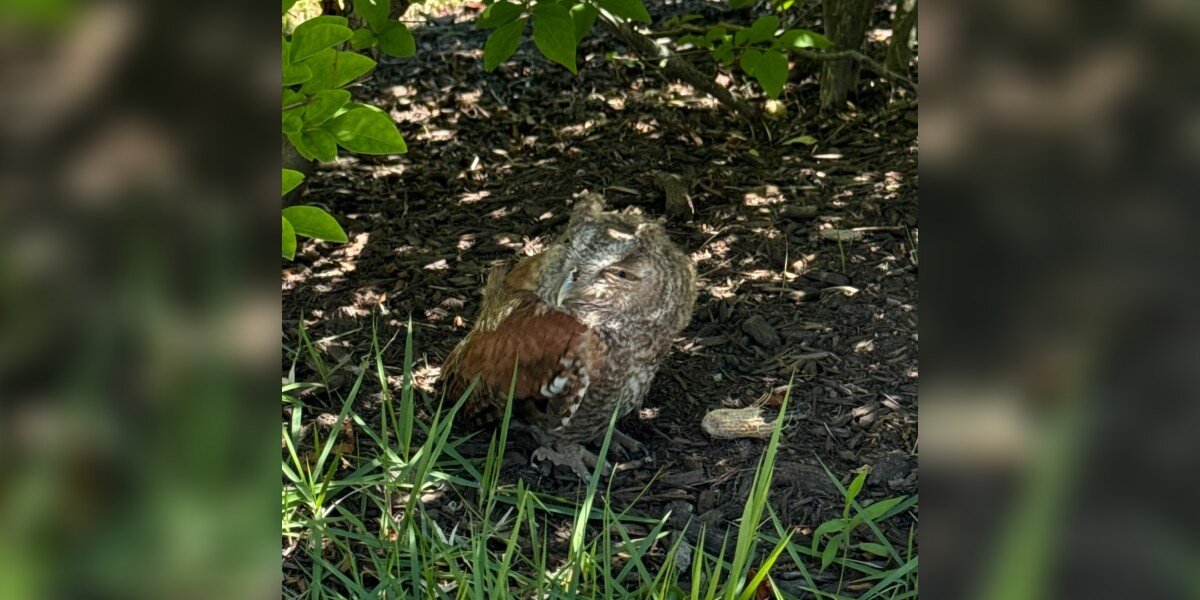
New England Wildlife Center (NEWC) were helping a small owl on the side of a busy road in Massachusetts, when they noticed something wrong with his eyes.
Viewed by
You are the first to view
NASA's new sun-studying mission 'PUNCH' attains its final form in Earth orbit - Space
8/17/25 at 7:51am
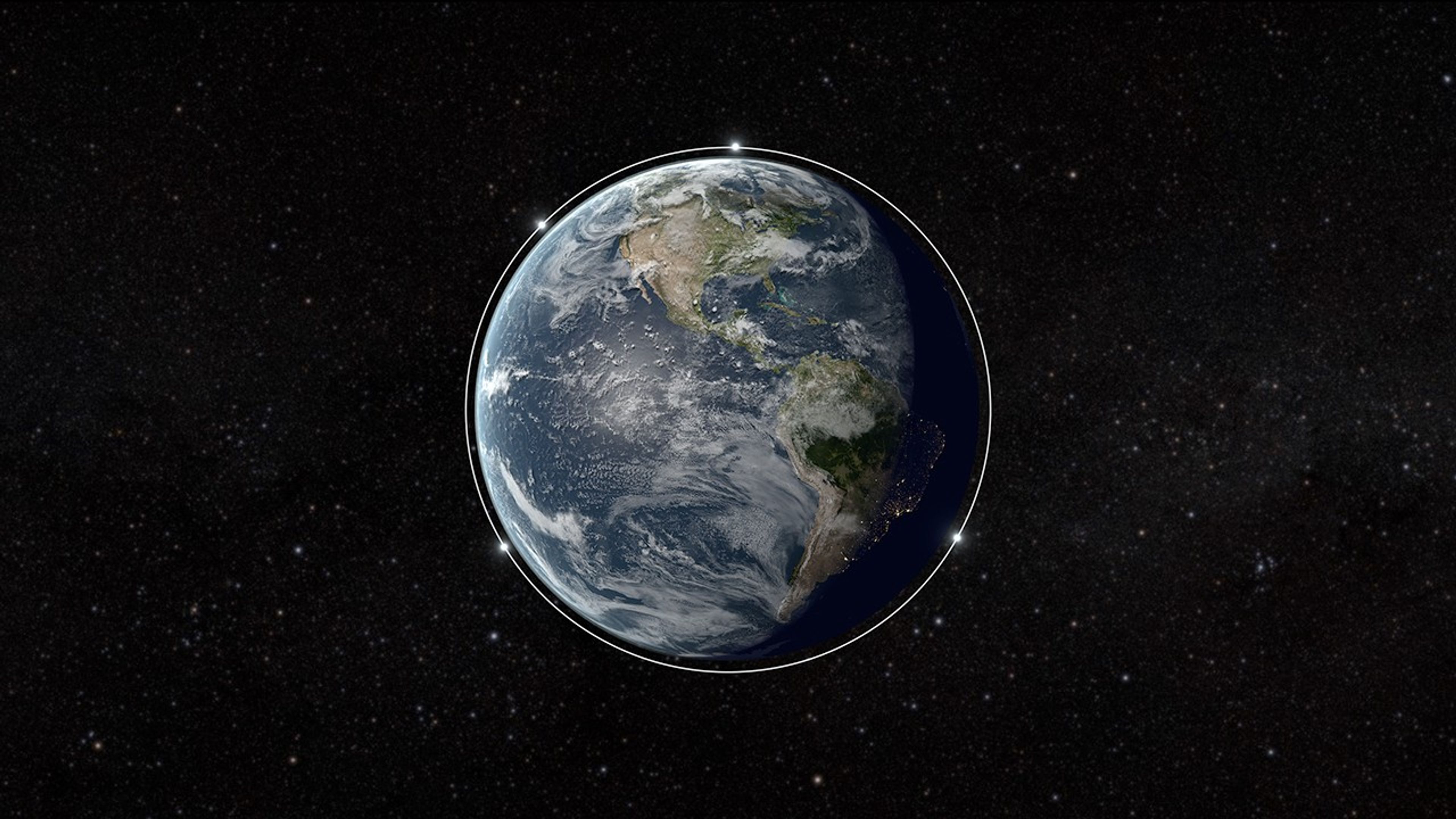
"The planet gets in the way from the point of view of any one spacecraft, so we had to spread them around the planet to look everywhere all at once."
Viewed by
You are the first to view
NASA’s Artemis 2 Orion Spacecraft Takes Major Step Toward Historic Lunar Mission - The Daily Galaxy
8/17/25 at 7:51am

NASA's Artemis 2 mission is one step closer to history as the Orion spacecraft powers up for its crewed journey around the Moon.
Viewed by
You are the first to view
Scientists Are Building a Nuclear Device That Could Unveil an Invisible Universe - yahoo.com
8/17/25 at 7:51am

A new nuclear clock, which uses the low-energy transition in the nucleus of a thorium-229 atom, could help detect the most elusive particle in the universe.
Viewed by
You are the first to view