New Fossil Discovery in Africa Unveils Hidden Secrets About Earth’s Largest Mass Extinction - Indian Defence Review
8/15/25 at 1:43am

Uncovering ancient fossils in Africa, scientists are revealing shocking new details about Earth's most devastating mass extinction.
Viewed by
You are the first to view
Meet Chrysalis, The Generational Ship Designed To Take Humans On A 400-Year Trip To Alpha Centauri - IFLScience
8/15/25 at 1:43am
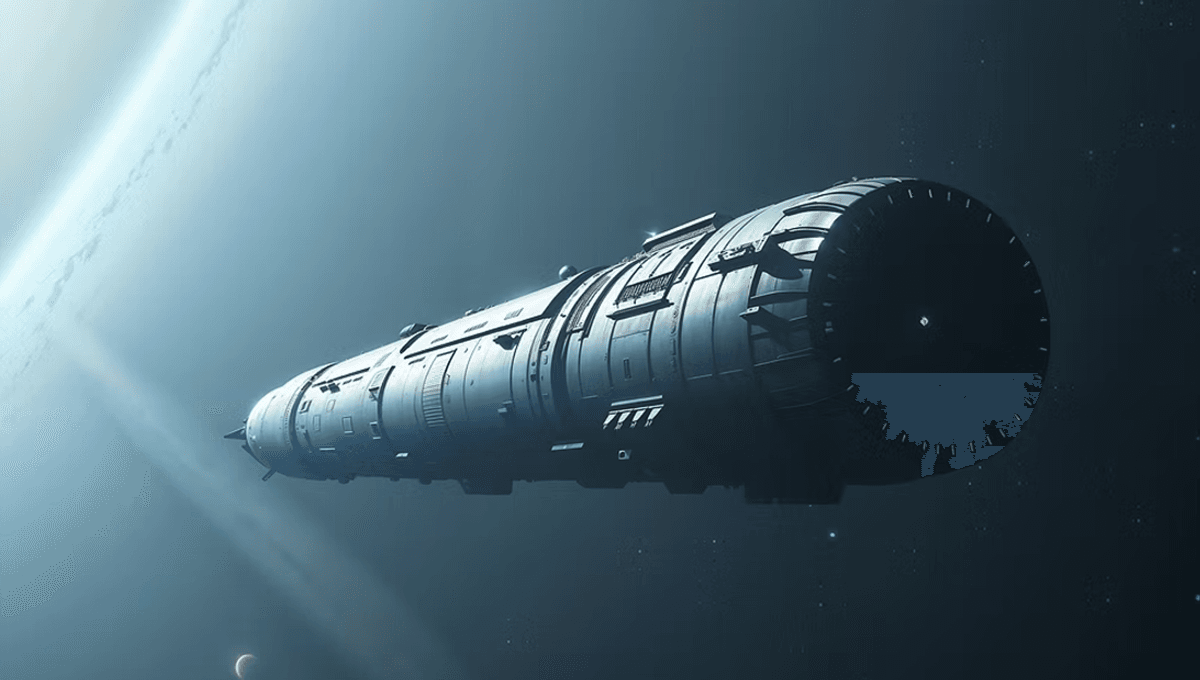
In order to prepare for the journey, the first generation would have to spend 70-80 years in Antarctica.
Viewed by
You are the first to view
Common food thickeners—long thought to pass right through us—are actually digested - Phys.org
8/15/25 at 1:43am

It turns out those cellulose-based thickening agents found in common foods can be digested. Researchers at the University of British Columbia have shown that our gut bacteria can feed on these large molecules—something thought to not be possible—thanks to enz…
Viewed by
You are the first to view

NASA’s Nancy Grace Roman Space Telescope will be a discovery machine, thanks to its wide field of view and resulting torrent of data. Scheduled to launch no
Viewed by
You are the first to view
Crewed Mars missions will require a new ascent vehicle - SpaceNews
8/15/25 at 1:43am

Crewed Mars missions will require a new ascent vehicle
Viewed by
You are the first to view
Hubble spots stars forming in the Tarantula nebula photo of the day for Aug. 12, 2025 - Space
8/15/25 at 1:43am
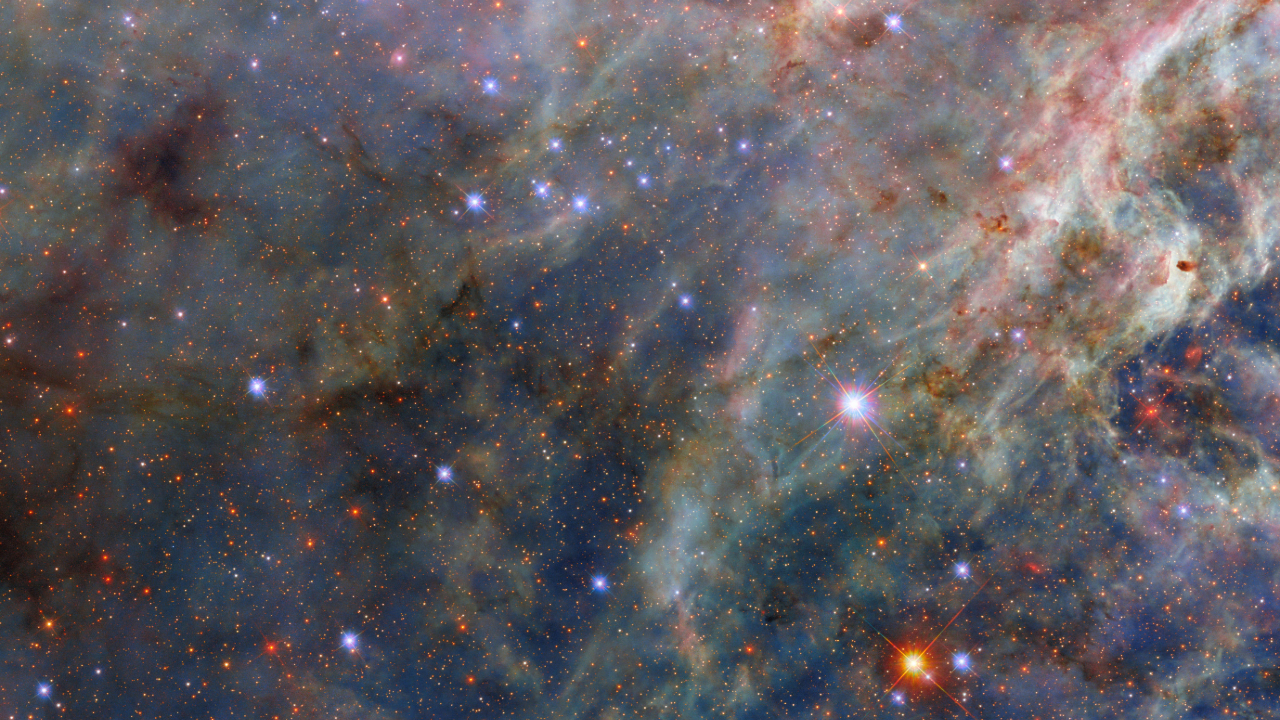
This star factory is the largest and brightest in its host galaxy.
Viewed by
You are the first to view
Scientists Uncover a 74-Million-Year-Old Egg-Laying Mammal That Stalked Dinosaurs in the Final Days of the Cretaceous - The Daily Galaxy
8/15/25 at 1:43am

With traits unlike anything alive today, this discovery is rewriting what scientists know about prehistoric life at the bottom of the world—and hinting at a far stranger past than imagined.
Viewed by
You are the first to view
Record-Breaking Over 7 Billion People Will See 'Blood Moon' Total Lunar Eclipse In September - IFLScience
8/15/25 at 1:43am
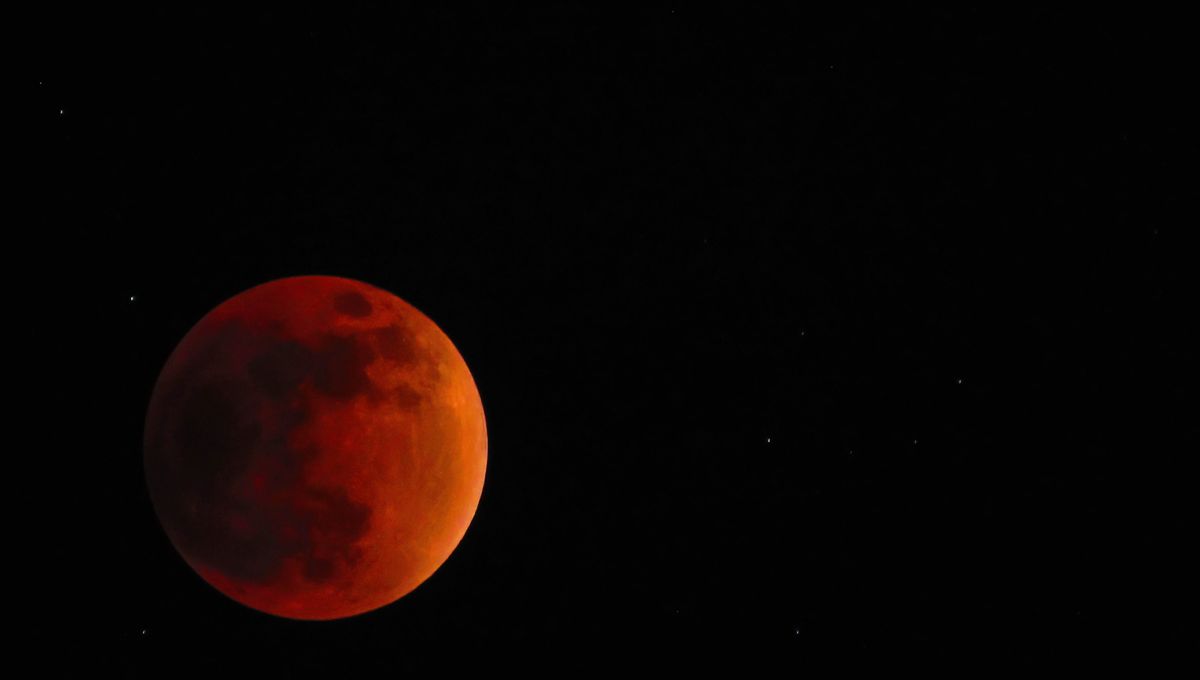
Totality will last for over 80 minutes!
Viewed by
You are the first to view

A spectacular “planet parade” (also called an alignment) featuring six planets is visible during August. Here’s when and where to look on Wednesday, Aug. 13.
Viewed by
You are the first to view
Deep learning reveals antibiotics in the archaeal proteome - nature.com
8/15/25 at 1:43am
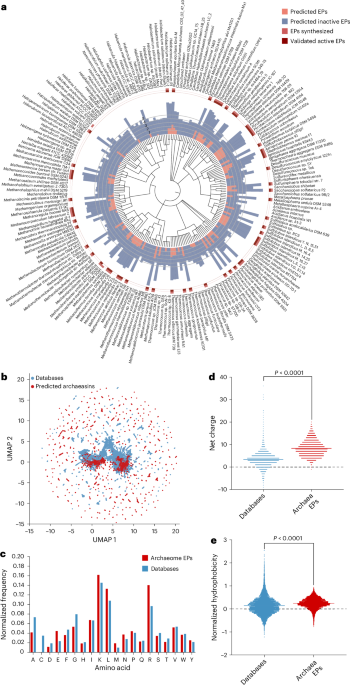
Use of artificial intelligence to mine proteomes of archaea led to the discovery of archaeasins, antimicrobials that kill drug-resistant bacteria in laboratory and animal models, offering a promising source of future antibiotics.
Viewed by
You are the first to view

Earth orbit is becoming increasingly crowded. With over 11 000 active satellites and many thousands more expected in the coming years as well as over 1.2 million pieces of space debris greater than 1 cm, the risk of in-orbit collisions has turned in…
Viewed by
You are the first to view
Scientists reversed memory loss by powering the brain’s tiny engines - ScienceDaily
8/15/25 at 1:43am

Scientists have discovered a direct cause-and-effect link between faulty mitochondria and the memory loss seen in neurodegenerative diseases. By creating a novel tool to boost mitochondrial activity in mouse models, researchers restored memory performance, su…
Viewed by
You are the first to view
Four new tarantulas with huge genitals have just been discovered. Apparently males use them to fend off cannibalistic females - BBC Wildlife Magazine
8/15/25 at 1:43am

The newly described species of spider live on the Arabian Peninsula and the Horn of Africa.
Viewed by
You are the first to view

A meteorite-born mineral with both crystal and glass traits has defied the known rules of heat conduction. Its constant heat flow, discovered through AI-driven research, could transform industries from steelmaking to space technology.
Viewed by
You are the first to view
Room-Temperature Quantum Breakthrough Stuns Physicists - SciTechDaily
8/15/25 at 1:43am

Scientists have achieved a breakthrough in quantum research by demonstrating that nanoparticles can exhibit quantum rotational vibrations even at room temperature — and without being cooled close to absolute zero. Using an elliptical nanoparticle held in an e…
Viewed by
You are the first to view
Scientists discover surprising cause of massive flood that unleashed more than 20 billion gallons of water: 'It was so unexpected' - yahoo.com
8/13/25 at 5:08am

"It has taught us new and unexpected things."
Viewed by
You are the first to view

On Monday night, Aug. 11, the moon will be in its waning gibbous phase. Here's what to know.
Viewed by
You are the first to view
Northern Lights Forecast: 10 States Could Experience Aurora Borealis Monday Night - Forbes
8/13/25 at 5:08am

The curved viewing line for Monday’s northern lights reaches as far as South Dakota.
Viewed by
You are the first to view
Scientists Design Huge Spacecraft That Could Carry 2,400 Colonists to Alpha Centauri - Futurism
8/13/25 at 5:08am

A team of engineers has come up with designs of a 36-mile spacecraft, dubbed Chrysalis, designed to carry 2,400 passengers to Alpha Centauri.
Viewed by
You are the first to view
Meteorite that punched a hole through Georgia roof may be older than Earth itself - Space
8/13/25 at 5:08am
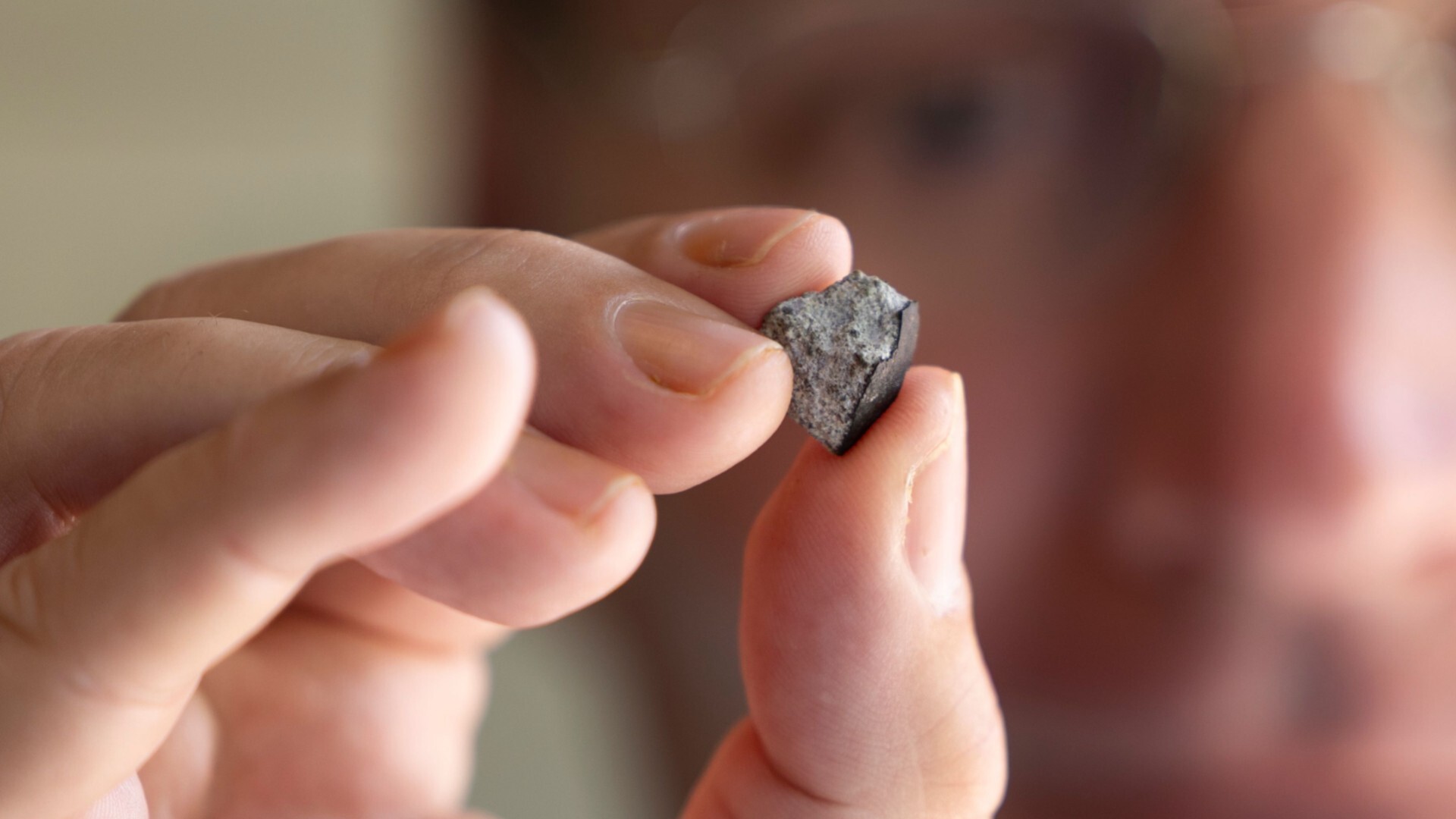
"This particular meteor that entered the atmosphere has a long history before it made it to the ground of McDonough".
Viewed by
You are the first to view
Cosmic Explosion Wiped Out Ancient Advanced Civilization, Scientists Say - GreekReporter.com
8/13/25 at 5:08am
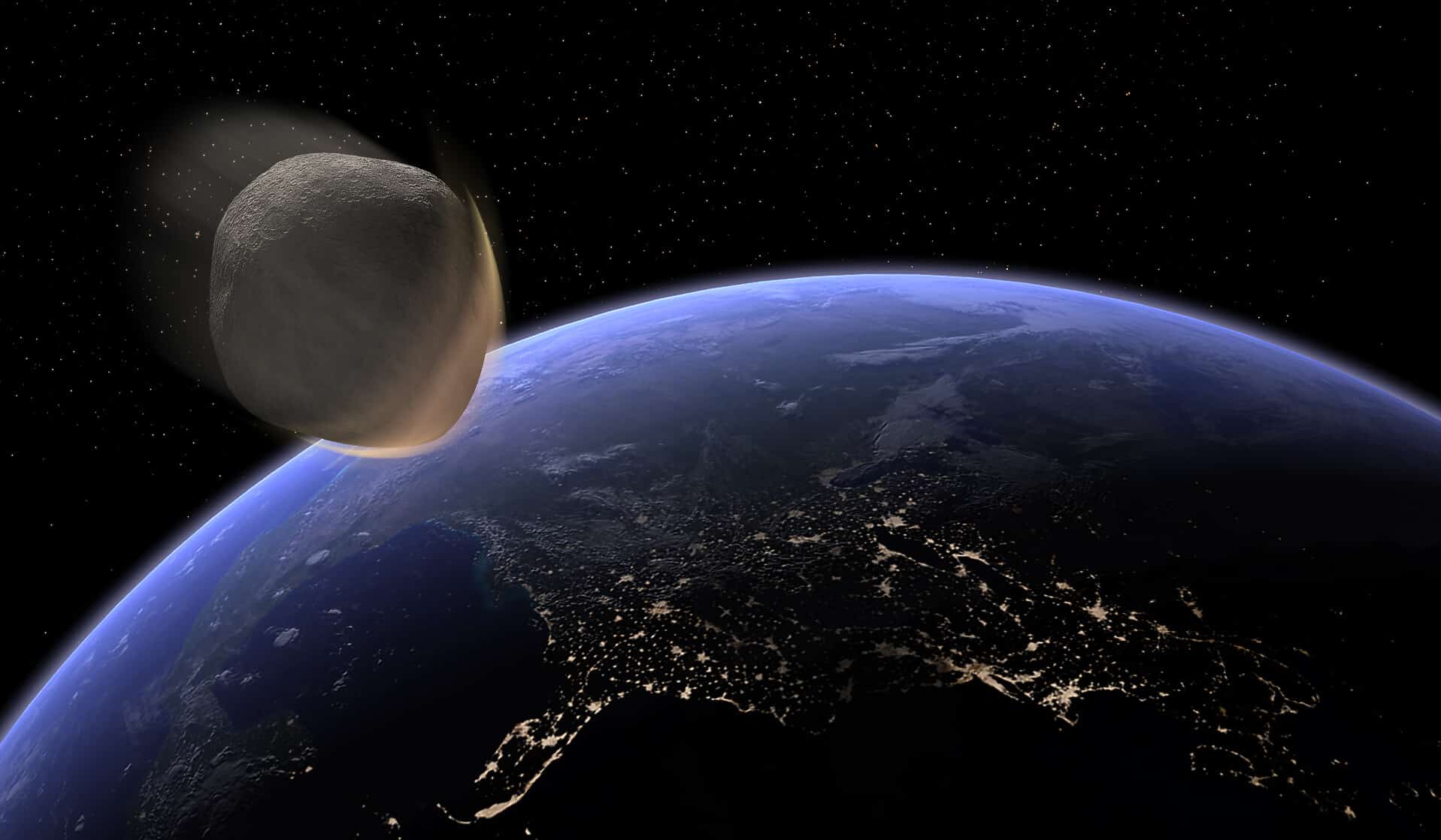
New research suggests a lost advanced civilization was wiped out by an ancient explosion 12,800 years ago, with evidence found in Louisiana.
Viewed by
You are the first to view
A Never-Before-Seen 95-Million-Year-Old Plant-Eating Dinosaur Finally Reveals Itself - The Daily Galaxy
8/13/25 at 5:08am

A 95-million-year disappearance ends with a dinosaur no one believed existed.
Viewed by
You are the first to view
James Webb telescope reveals 'Sleeping Beauty' galaxies in the early universe — snoozing where they weren't supposed to exist - Space
8/13/25 at 5:08am
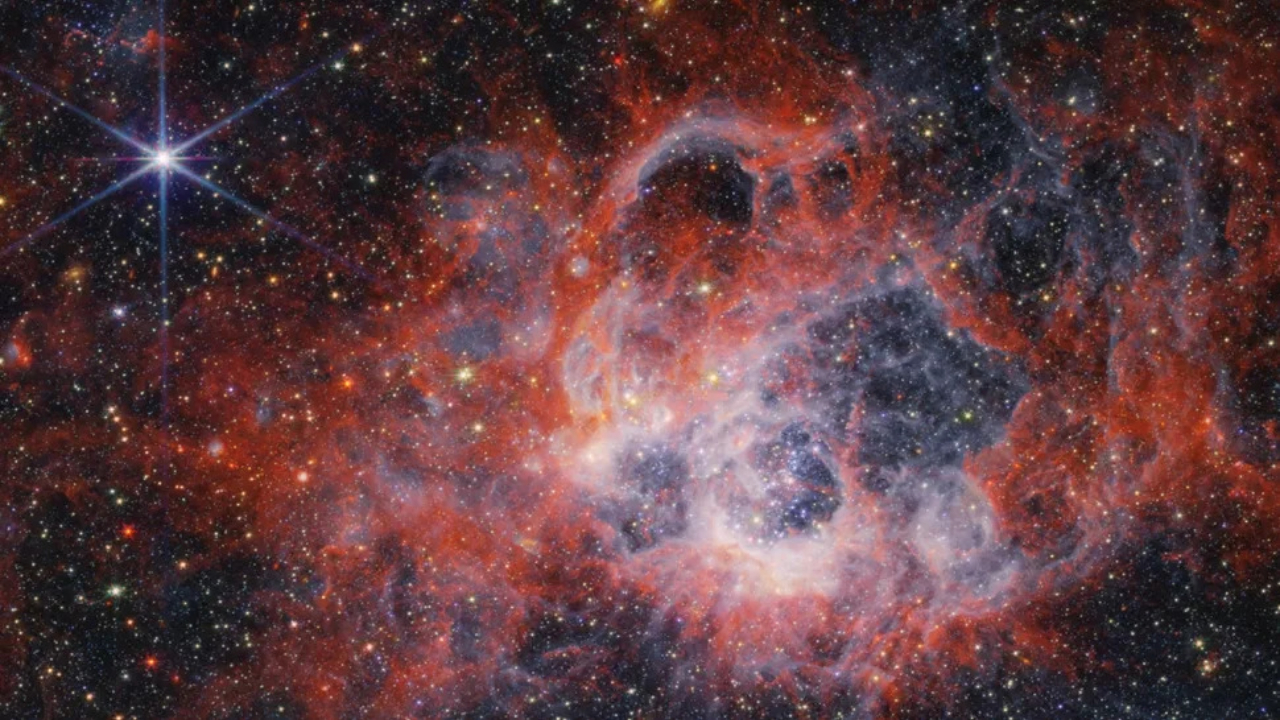
Using data from the James Webb Space Telescope, astronomers have discovered dormant galaxies with a wide range of masses in the first billion years after the Big Bang, moving one step closer to understanding how early galaxies grow.
Viewed by
You are the first to view
Scientists say they cruised the ocean in a deep-sea submersible and came across an undiscovered ecosystem - CNN
8/13/25 at 5:08am
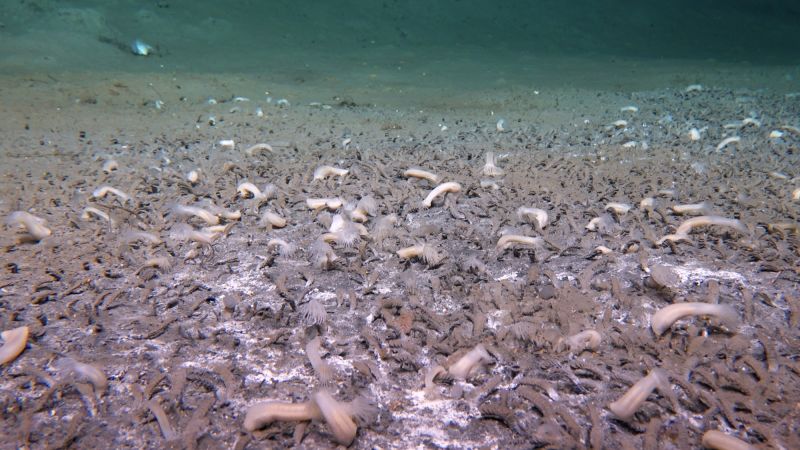
While exploring the ocean in a deep-sea submersible, scientists say they discovered a flourishing ecosystem capable of sustaining life without sunlight.
Viewed by
You are the first to view

Today, Karen Feldstein, associate administrator for international and interagency relations, announced she is leaving the agency after more than 30 years of distinguished public service
Viewed by
You are the first to view