These Bizarre Fossils Have Baffled Scientists for Years. Now, Experts Have Cracked the Case. - Yahoo
1/31/26 at 11:17am

How did soft-bodied organisms remain intact for millions of years?
Viewed by
You are the first to view
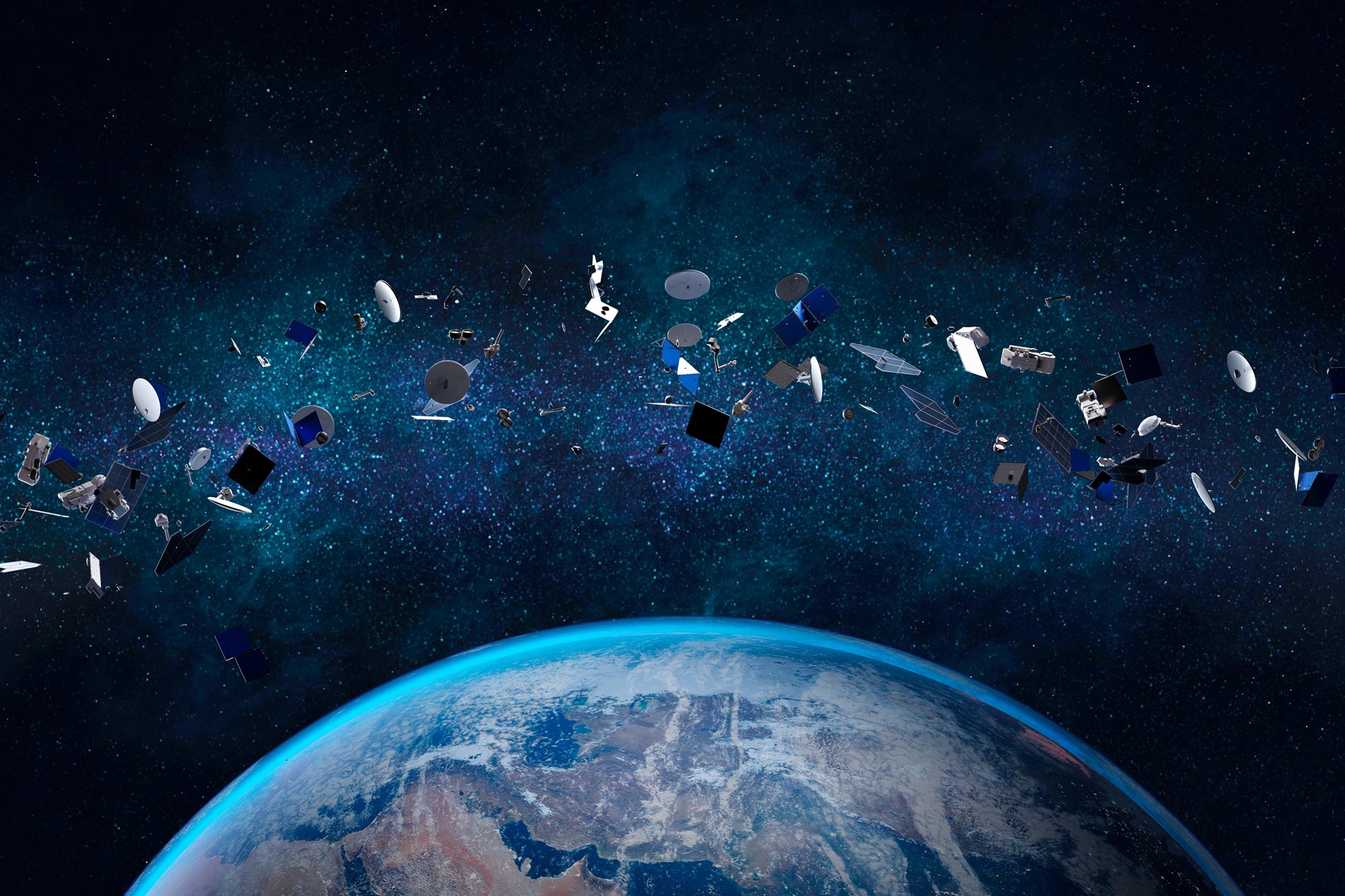
Earthquake sensors are giving scientists a new way to track space junk as it falls back to Earth.
Viewed by
You are the first to view
Early Universe’s supermassive black holes grew in cocoons like butterflies - Ars Technica
1/30/26 at 5:01pm
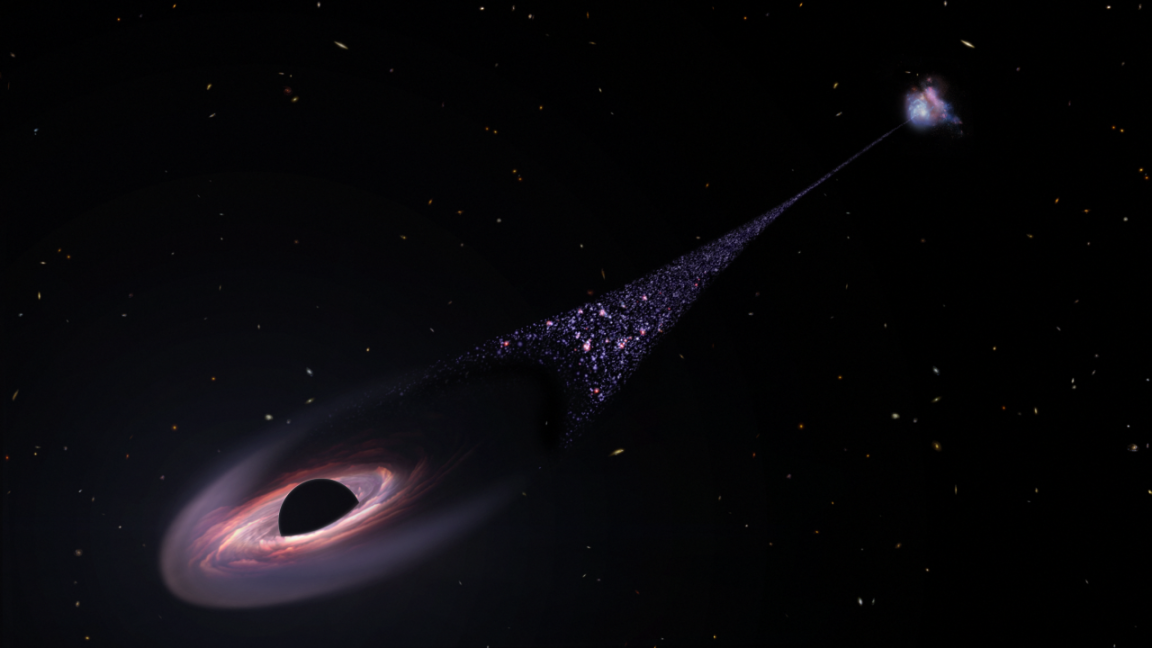
During cocoon phase, young, supermassive black holes are surrounded by high-density gas.
Viewed by
You are the first to view
Astronomers uncover hundreds of new 'anomalies' in Hubble telescope archives - Live Science
1/31/26 at 11:17am
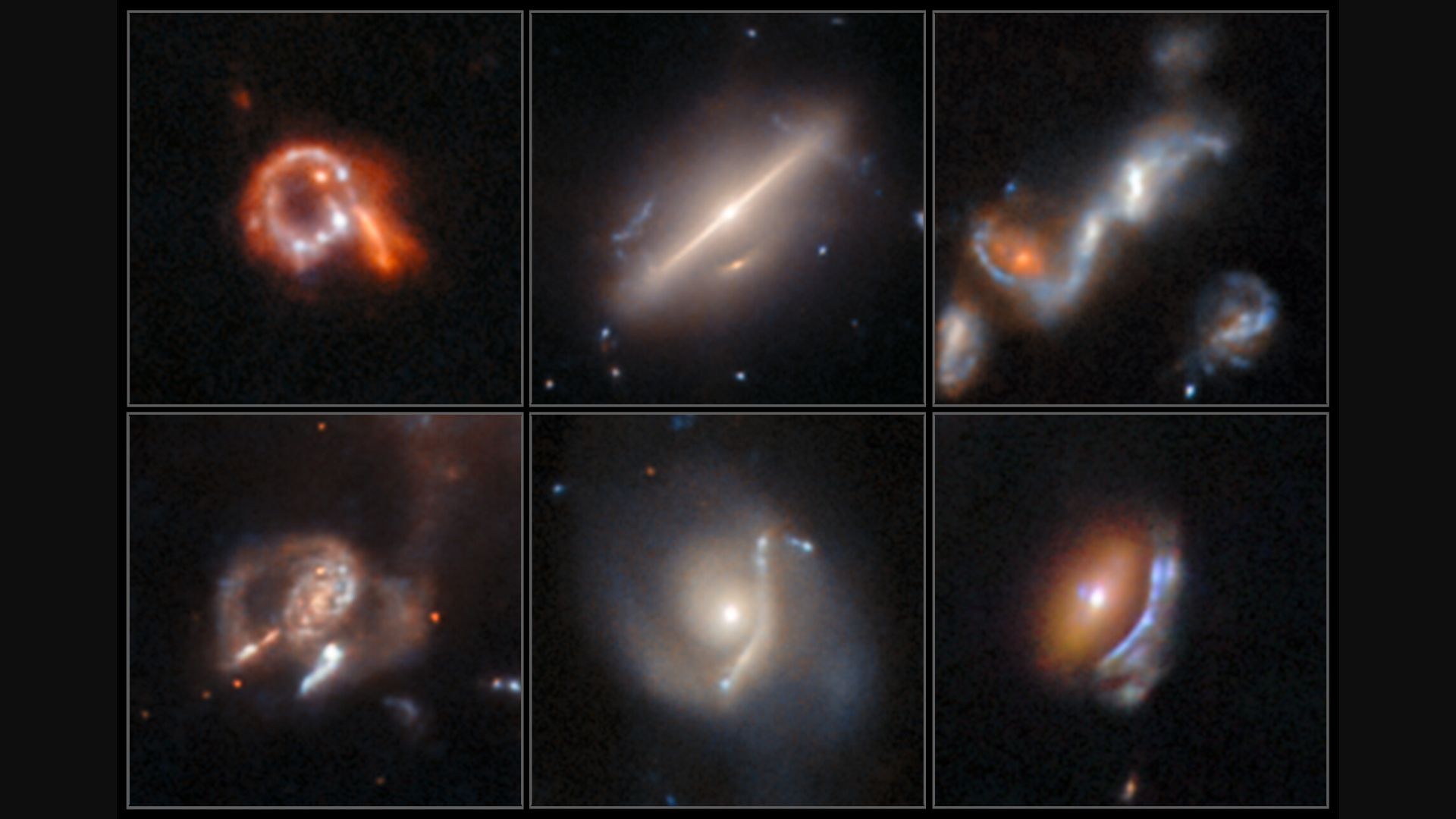
AI helped researchers probe the Hubble Space Telescope's archive to find strange celestial objects, including some indescribable by science.
Viewed by
You are the first to view
James Webb Space Telescope reveals new origin story for the universe's 1st supermassive black holes - Space
1/31/26 at 11:17am
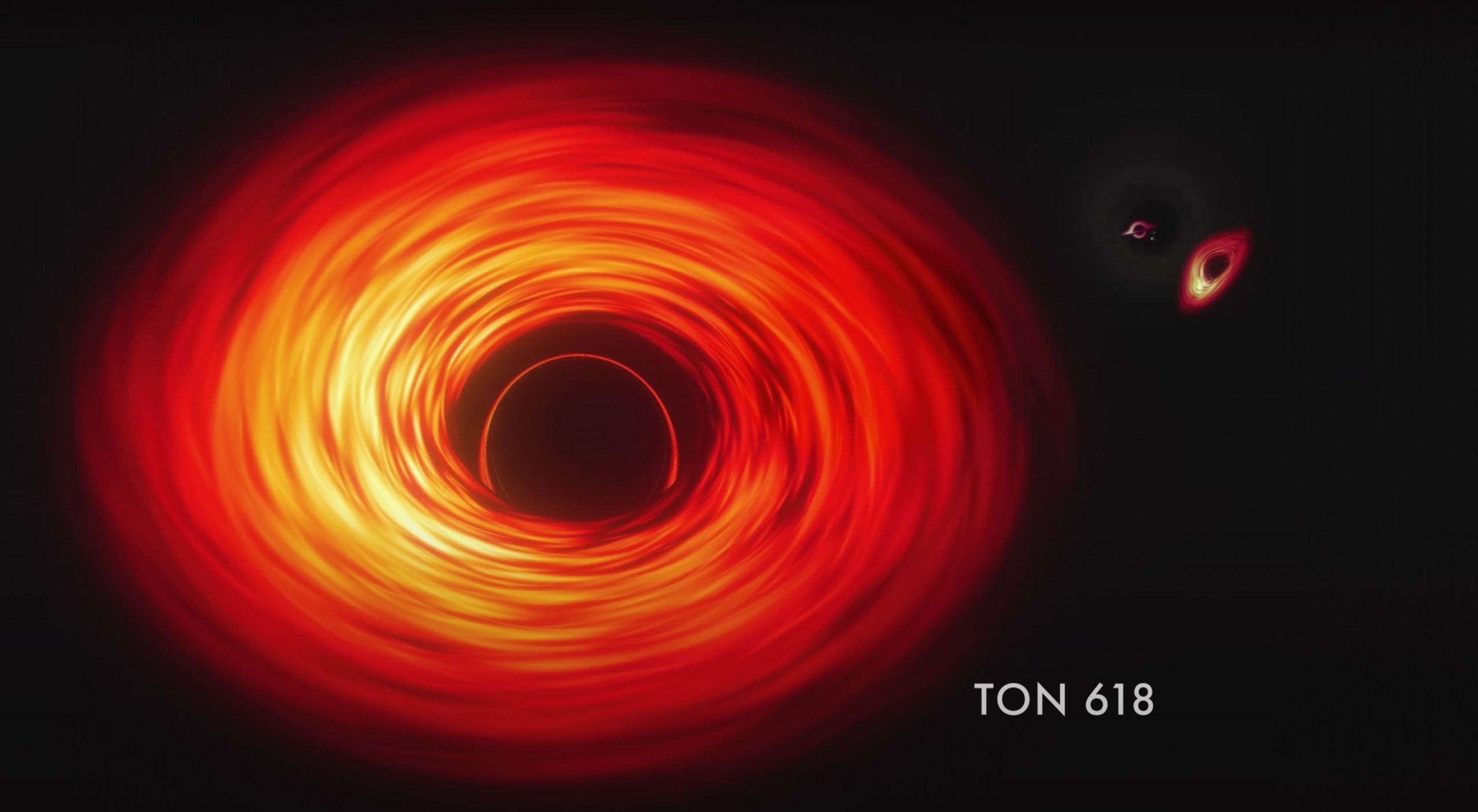
"Looking out into the universe is uniquely allowing us to look back in time and piece together this beautiful cosmic story that we are part of."
Viewed by
You are the first to view

The crew of four will launch no earlier than Wednesday 11 February at 11:00 GMT/12:00 CET (06:00 EST) from Space Launch Complex 40 at Cape Canaveral Space Force Station, Florida, USA. The next available opport…
Viewed by
You are the first to view
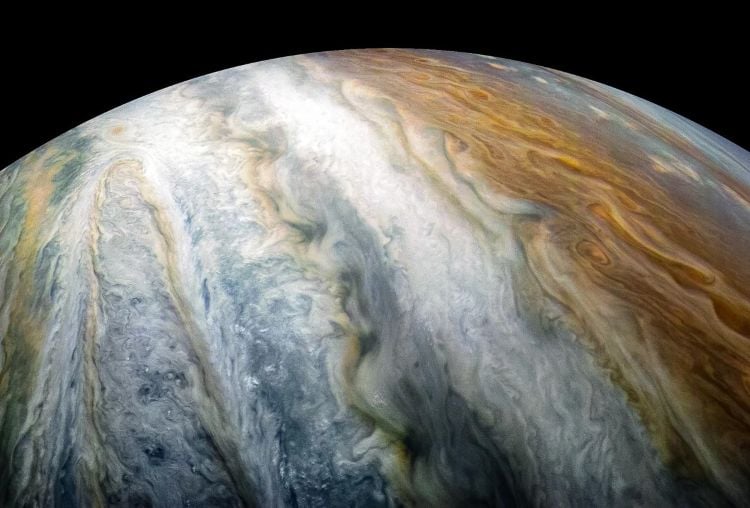
Jupiter’s atmosphere and clouds have mesmerized stargazers for centuries, as their multi-colored, swirling layers can easily be viewed from powerful telescopes on Earth. However, NASA’s Juno spacecraft has upped the ante regarding our understanding of Jupiter…
Viewed by
You are the first to view
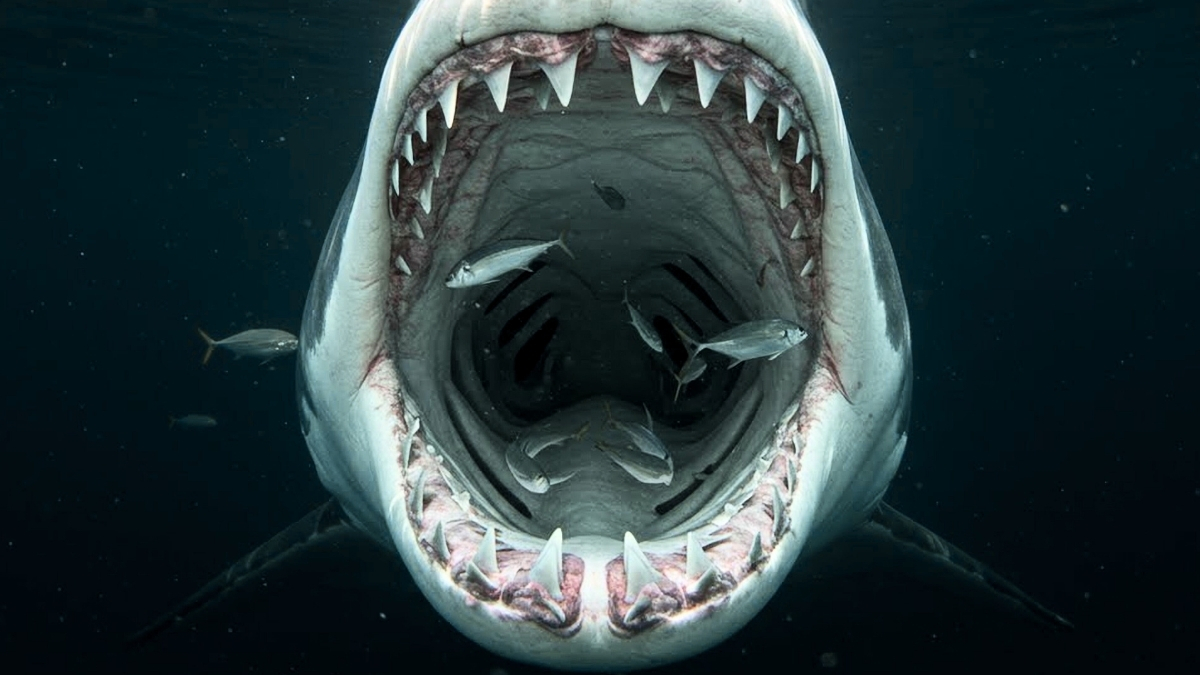
A great white shark is a masterwork of evolutionary engineering.
Viewed by
You are the first to view
Did Edison Make a 'Wonder Material' 125 Years Before Its Official Creation? - ScienceAlert
1/30/26 at 5:01pm

Inventor Thomas Edison is known for being ahead of his time, and a new study could add another notch to his overachieving belt.
Viewed by
You are the first to view

Online discussions can catch errors or fraud in articles that can be missed in peer review.
Viewed by
You are the first to view

The volcanic hot spot is larger than Lake Superior, spewing eruptions six times the total energy of all of the world's power plants.
Viewed by
You are the first to view
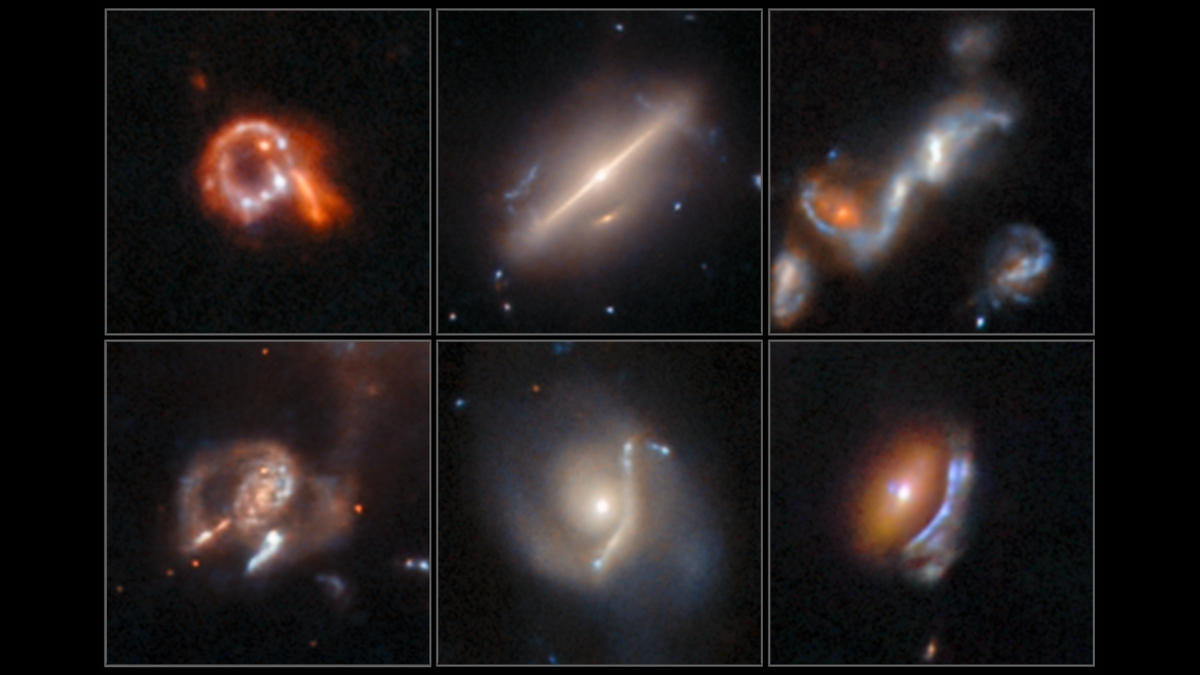
Using a powerful AI tool, astronomers have combed through vast troves of data from NASA's Hubble and found over 1,300 cosmic anomalies, more than 800 of which are new to science.
Viewed by
You are the first to view
Australia uncovers the world’s largest dinosaur footprints from 130 million years ago - Times of India
1/30/26 at 5:01pm
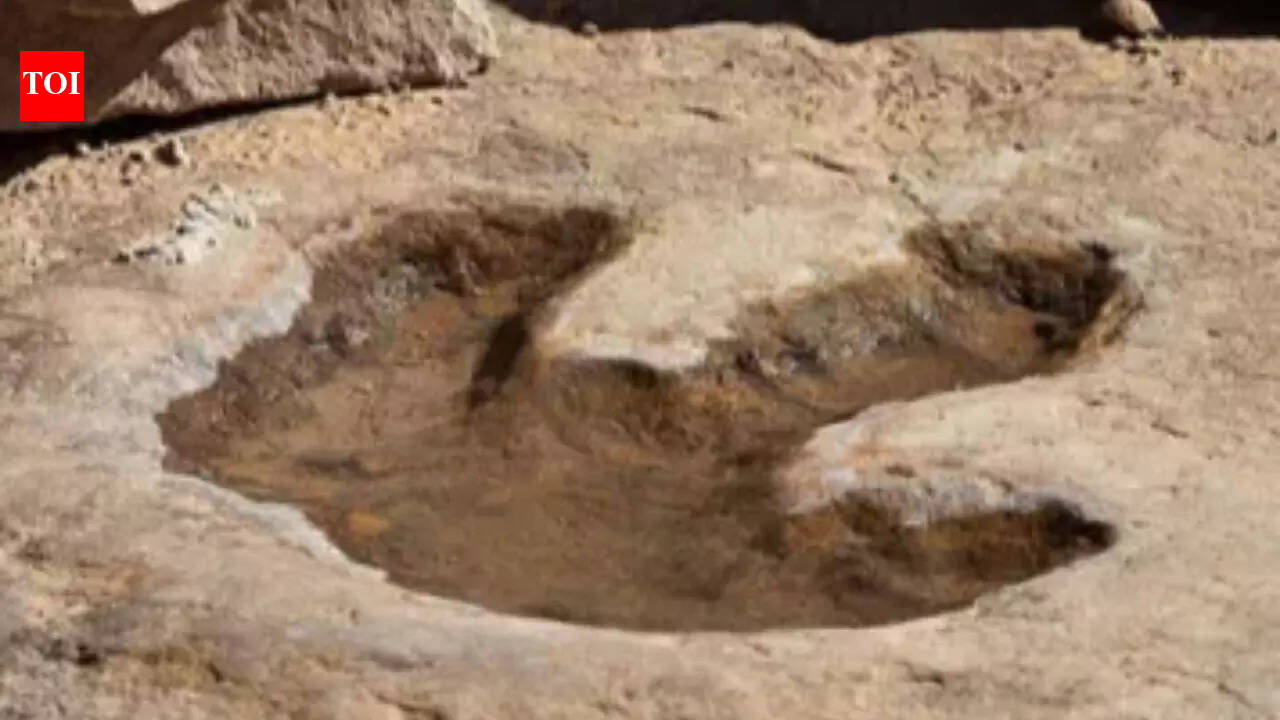
Rest of World News: Researchers have found some of the biggest dinosaur footprints ever. They are so huge that an adult could curl up inside one without a problem. It’s w.
Viewed by
You are the first to view
New fear unlocked: Runaway black holes - Phys.org
1/30/26 at 5:01pm

Last year, astronomers were fascinated by a runaway asteroid passing through our solar system from somewhere far beyond. It was moving at around 68 kilometers per second, just over double Earth's speed around the sun.
Viewed by
You are the first to view
NASA and SpaceX move up launch of Crew-12 astronauts to Feb. 11 as relief crew after ISS medical evacuation - Space
1/30/26 at 5:01pm
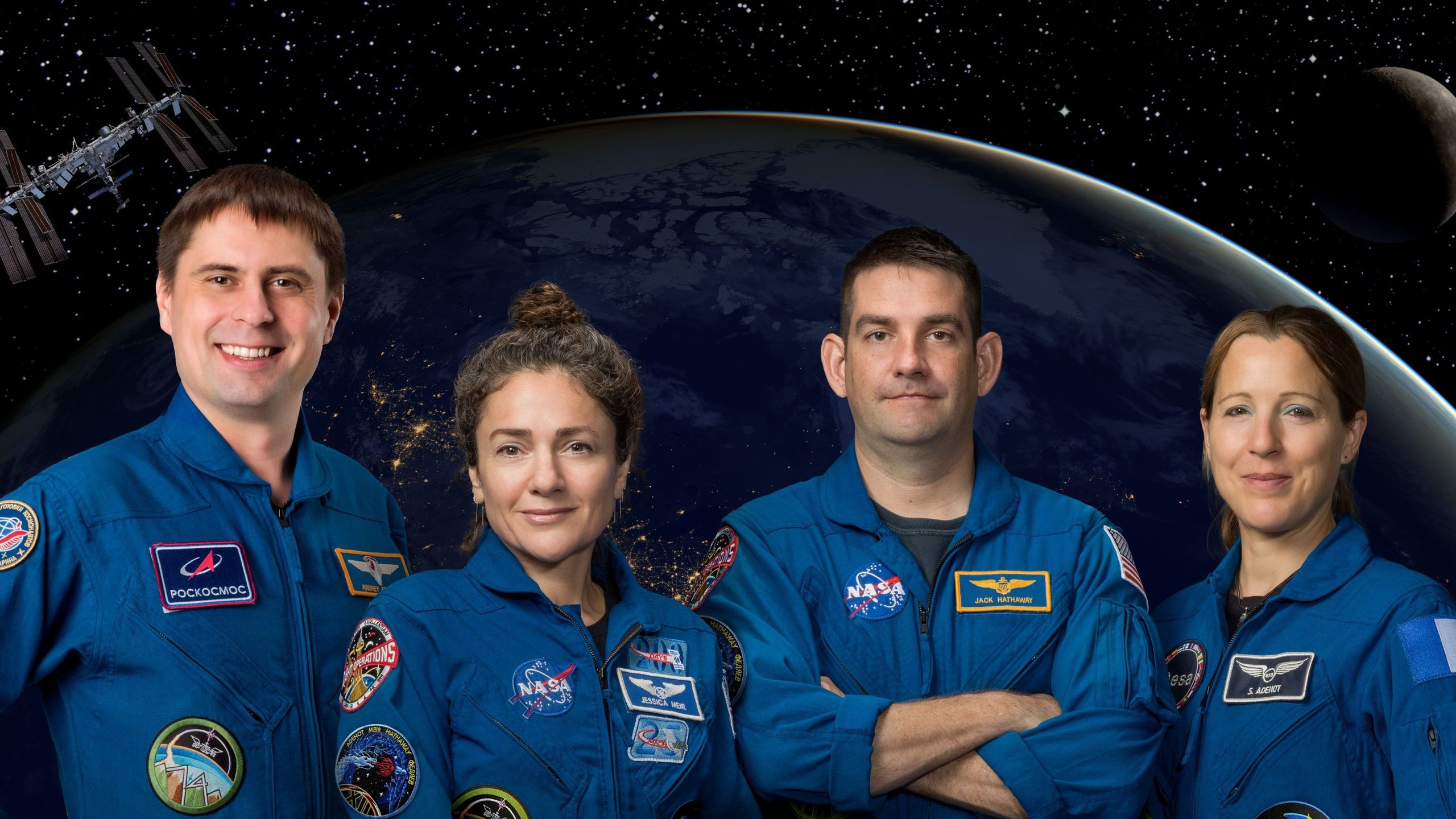
That's four days earlier than originally planned.
Viewed by
You are the first to view
Massive runaway stars in the Milky Way: Observational study explores origins and ejection process - Phys.org
1/30/26 at 5:01pm
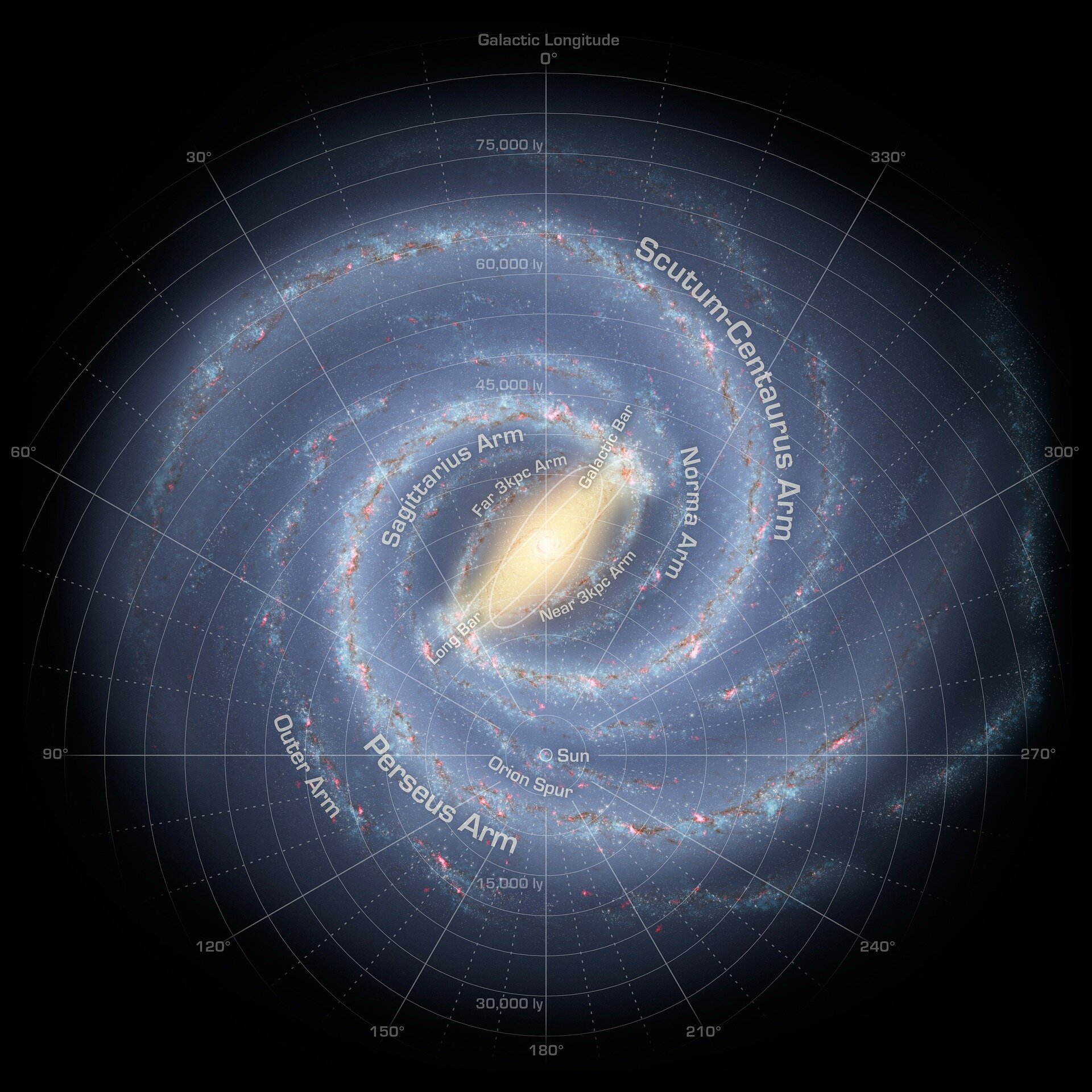
Researchers from the Institute of Cosmos Sciences of the University of Barcelona (ICCUB) and the Institute of Space Studies of Catalonia (IEEC), in collaboration with the Institute of Astrophysics of the Canary Islands (IAC), have led the most extensive obser…
Viewed by
You are the first to view

Thyme, rosemary, and lavender have long been associated with natural medicine. Today, however, these aromatic plants are increasingly being studied by researchers. "In an era of ever-increasing microbial resistance to antibiotics, there is a growing emphasis …
Viewed by
You are the first to view
Russian Scientists Test Plasma Engine That Could Cut Mars Travel to About 30 Days - Yahoo! Tech
1/30/26 at 2:54am

Russia is testing a plasma engine prototype designed to slash Mars travel time to just 60 days. Developed by Rosatom’s Troitsk Institute, the system uses...
Viewed by
You are the first to view
Beyond polymers: New state-of-the-art 3D micro and nanofabrication technique overcomes material limitations - Phys.org
1/30/26 at 5:01pm

Building things so small that they are smaller than the width of a human hair was previously achieved by using a method called two-photon polymerization, also known as 2PP—today's state-of-the-art in 3D micro- and nanofabrication. Tiny sculptures such as a mi…
Viewed by
You are the first to view
New animal species that survived mass extinction event half a billion years ago found in a quarry in China - CBS News
1/30/26 at 2:54am
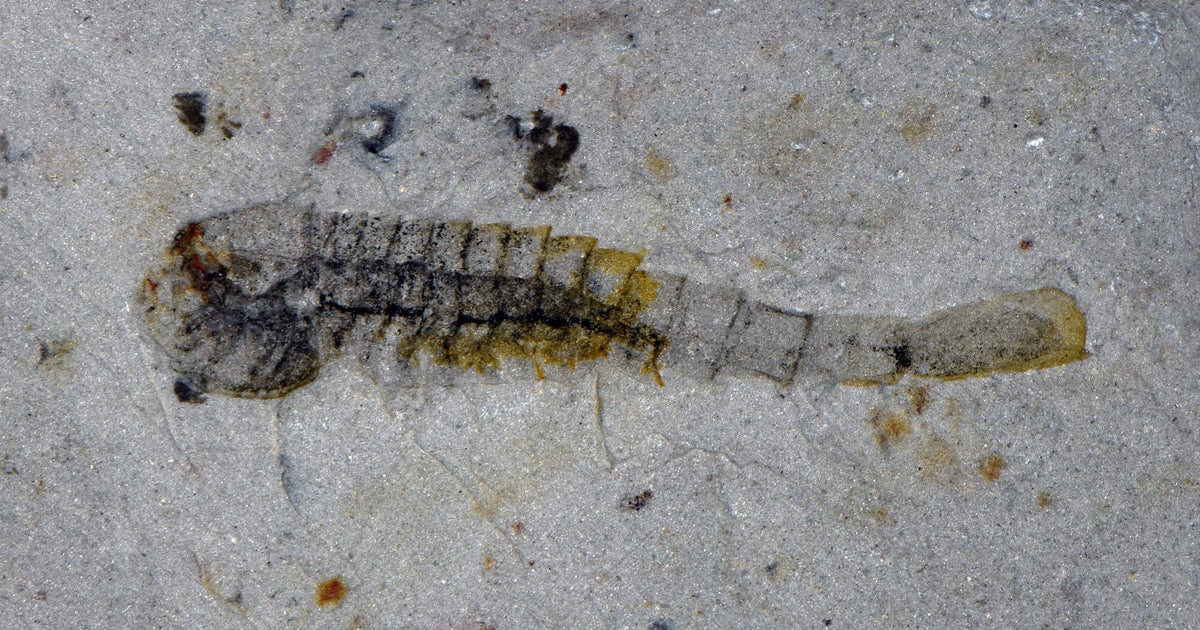
The fossils offer a rare glimpse into a cataclysmic event that brought a sudden end to the greatest explosion of life in our planet's history.
Viewed by
You are the first to view
430,000-year-old wooden handheld tools from Greece are the oldest on record — and they predate modern humans - Live Science
1/30/26 at 5:01pm

Archaeologists have found the oldest-known surviving examples of handheld wooden tools.
Viewed by
You are the first to view
Constraints on axion dark matter by distributed intercity quantum sensors - Nature
1/30/26 at 2:54am
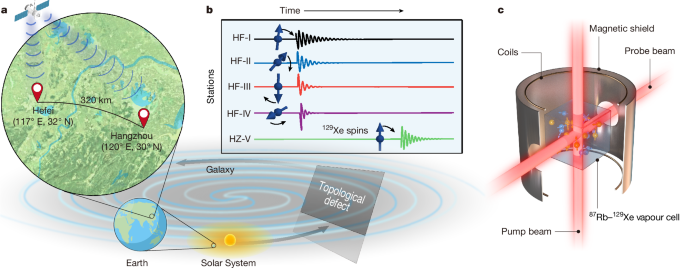
Amplification and optimal noise filtering in hyperpolarized noble-gas spins of observations from distributed intercity quantum sensors monitoring for unexpected transient rotations of polarized spins set parameter range constraints in the search for axion dar…
Viewed by
You are the first to view

You don't have to be a genius: anemones have been using human genes to form their bodies for 600 million years.
Viewed by
You are the first to view
Scientists discover seismic hotspot in US that could trigger devastating magnitude-8 earthquakes - AOL.com
1/30/26 at 2:54am

We're on shakier ground than previously thought.
Viewed by
You are the first to view
Superfluids are supposed to flow indefinitely. Physicists just watched one stop moving - Phys.org
1/30/26 at 2:54am

Ordinary matter, when cooled, transitions from a gas into a liquid. Cool it further still, and it freezes into a solid. Quantum matter, however, can behave very differently. In the early 20th century, researchers discovered that when helium is cooled, it tran…
Viewed by
You are the first to view