- You need to sign in or sign up before continuing.
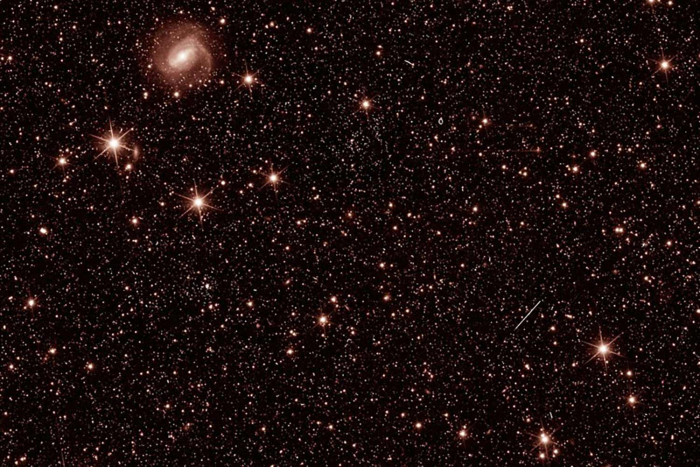
WASHINGTON - The Euclid space telescope, launched July 1 on a mission to shed more light on elusive dark matter and dark energy, has reached its destination orbit and on Monday its European operators revealed its first test images.
Viewed by
You are the first to view
Bizarre giant viruses with tubular tentacles and star-like shells discovered in New England forest - Livescience.com
8/2/23 at 3:18pm
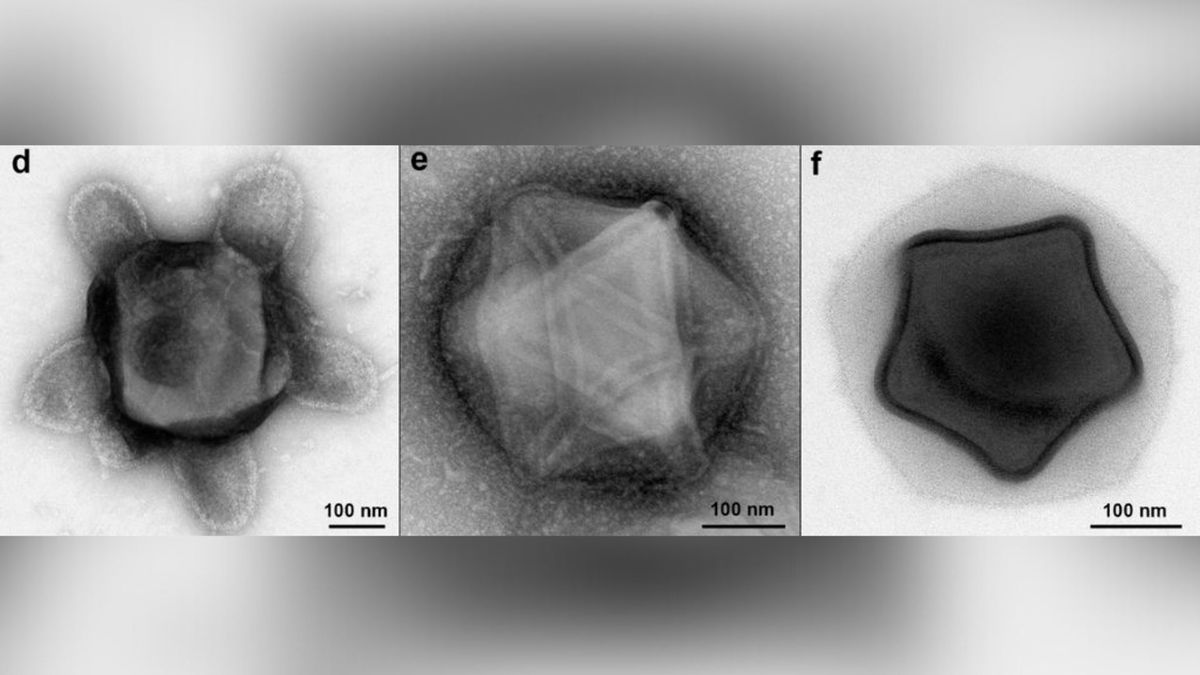
Giant viruses are much more diverse in shape and size than scientists previously thought, according to a new study.
Viewed by
You are the first to view
After Seeing This Terrifying Study, We're Never Microwaving Plastic Again - Futurism
8/3/23 at 3:18am

New research has found that microwaving plastic food containers spews out toxic microplastics — and it's freaked out the guy studying it.
Viewed by
You are the first to view
Experience the Reveal of the First U.S. Asteroid Sample - NASA
8/3/23 at 3:18am

Content creators are invited to register for a chance to take part in our NASA Social event for the OSIRIS-REx sample reveal–the first pristine asteroid sample
Viewed by
You are the first to view
A planet’s atmosphere is blasted away by a star and Hubble captures it - Yahoo! Voices
8/3/23 at 3:18am
Viewed by
You are the first to view
A planet’s atmosphere is blasted away by a star and Hubble captures it - Yahoo! Voices
8/3/23 at 3:18pm

Astronomers used the Hubble Space Telescope to determine that a nearby exoplanet is losing its atmosphere due to interactions with its star.
Viewed by
You are the first to view
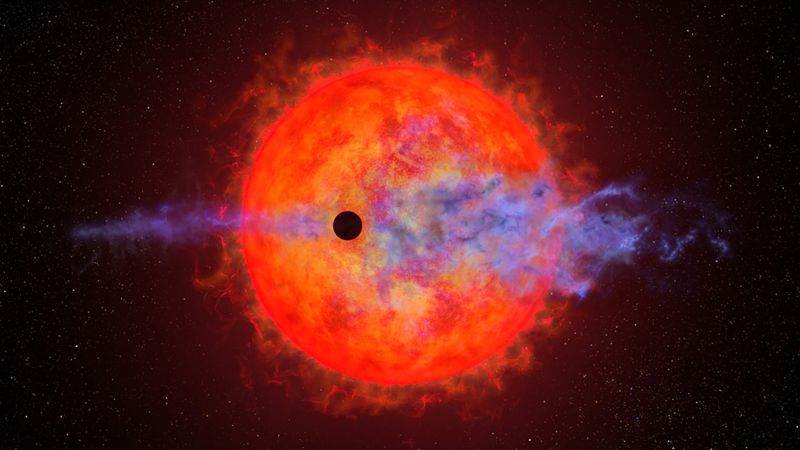
Astronomers used the Hubble Space Telescope to determine that a nearby exoplanet is losing its atmosphere due to interactions with its star.
Viewed by
You are the first to view
Brian May: Humans Need 'Major Change of Philosophy' About Earth - Ultimate Classic Rock
8/2/23 at 3:18pm

Brian May shared his thoughts on climate change, space travel and humans' treatment of Earth in a July 2023 interview.
Viewed by
You are the first to view

The rich are doing doctor-assisted ketamine, once known in the clubs as Special K, which can be used for mental health purposes.
Viewed by
You are the first to view
How a 46,000-year-old worm came back to life and started having babies - Business Insider India
8/2/23 at 3:18am

Scientists thawed out a 46,000-year-old worm dating back to the Ice Age and brought it back to life, and then it started having babies.How a 46,000-year-old worm came back to life and started having babies
Viewed by
You are the first to view
The Anomaly of Invar: Explaining an Exception to the Rule of Thermal Expansion - Fagen wasanni
8/2/23 at 3:18am

The Anomaly of Invar: Explaining an Exception to the Rule of Thermal Expansion - Fagen Wasanni Technologies
Viewed by
You are the first to view
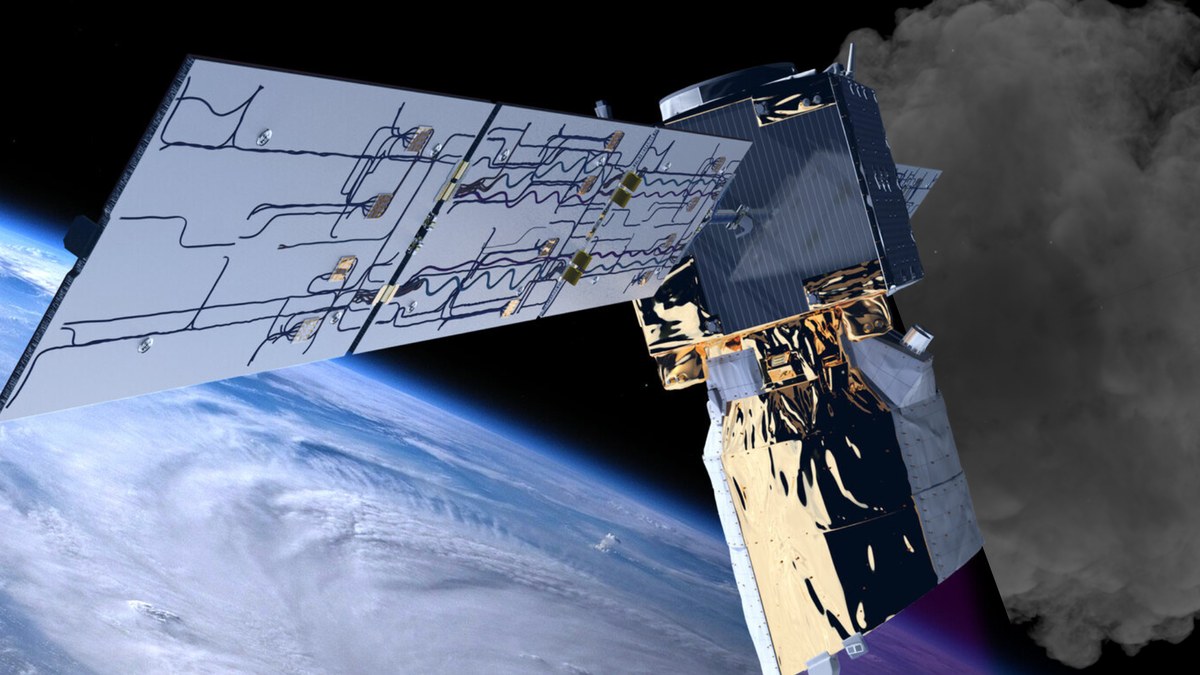
The European Space Agency spacecraft entered the atmosphere and burned up on Friday (July 28).
Viewed by
You are the first to view
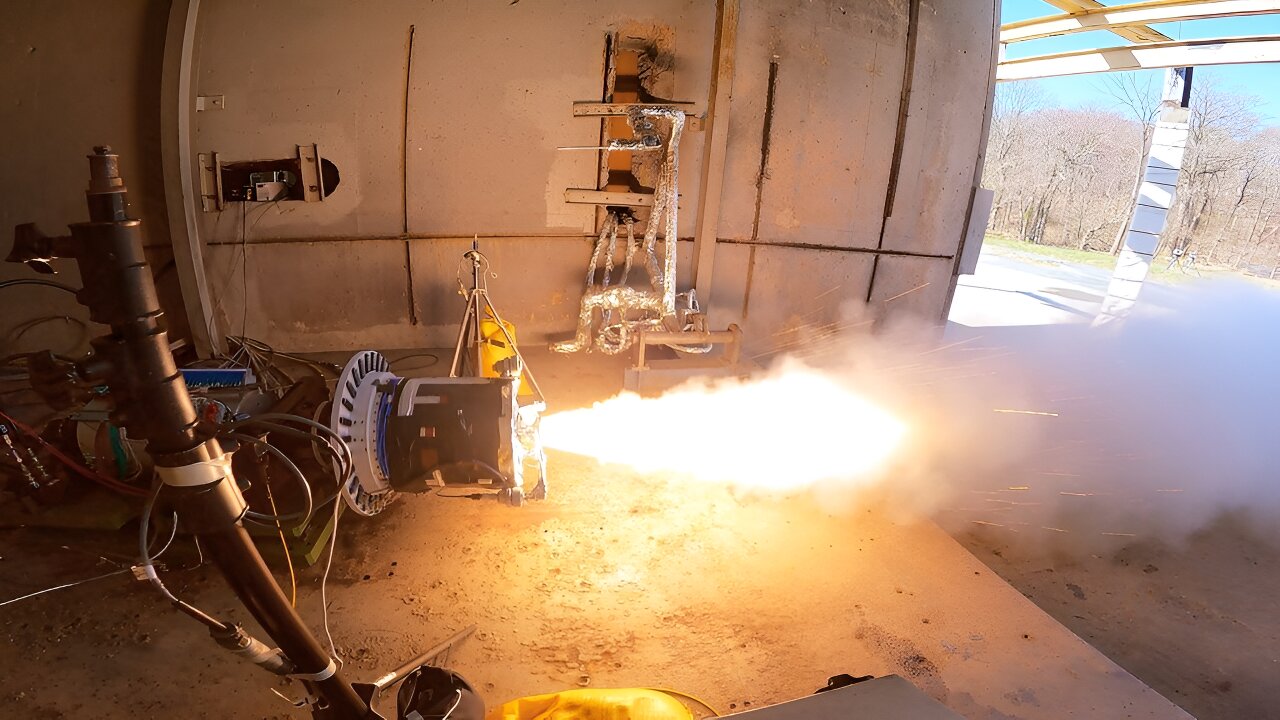
The first rocket launch from the surface of another planet will be accomplished using two solid rocket motors.
Viewed by
You are the first to view

Once sinking slabs from a prehistoric ocean moved years ago and reached the Earth’s mantle, plumes formed, creating the low spot, researchers say.
Viewed by
You are the first to view

Humanity has been on an asteroid-finding spree as of late. Those close to Earth, known as Near Earth Objects (NEOs), have been particularly interesting for two reasons. One is they offer potentially lucrative economic opportunities with asteroid mining. The o…
Viewed by
You are the first to view
Why you shouldn't declaw tigers or other big cats - Phys.org
8/3/23 at 3:18am

Declawing house cats to keep them from scratching people and furniture is controversial—and even banned in some countries and areas in the U.S.—but the practice is not limited to house cats. In a new study, researchers looked at the effects of declawing on la…
Viewed by
You are the first to view
Satellite becomes first to be guided back into Earth's atmosphere, reducing debris risk - CBS News
8/2/23 at 3:18am
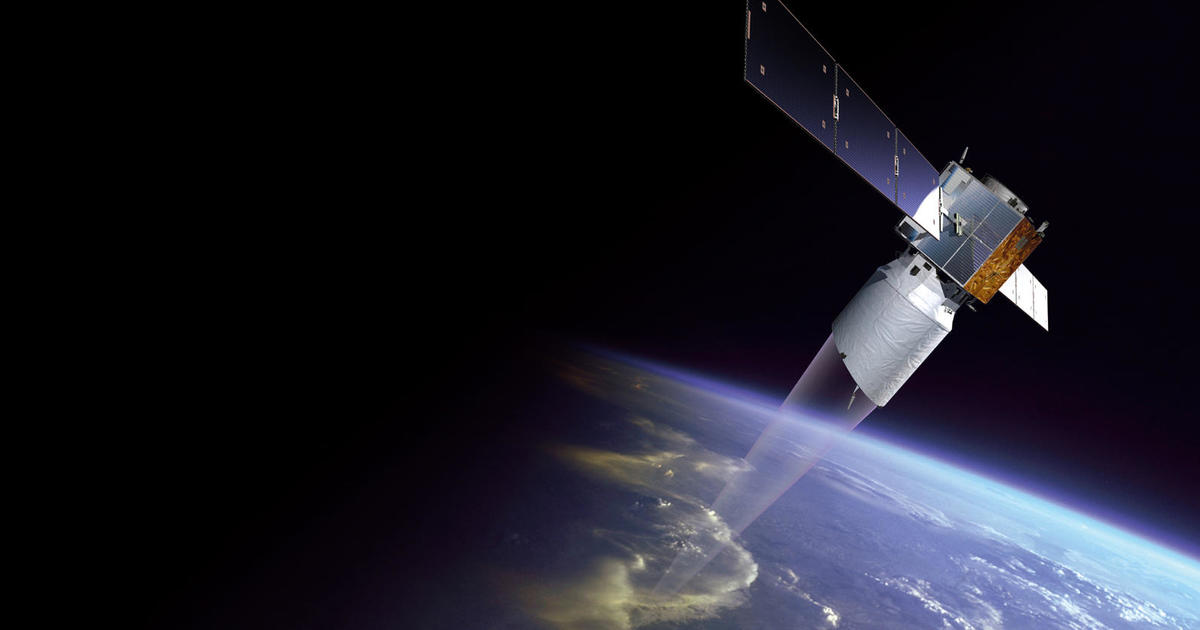
The reentry assist, a world first, meant teams were tasked with guiding Aeolus through part of its descent, from an altitude of 320 kilometers to 120 kilometers, before burning up in Earth's atmosphere.
Viewed by
You are the first to view
Cosmic Question Mark Spotted in Deep Space Suggests the Universe Is Stumped - Gizmodo
8/2/23 at 3:18am
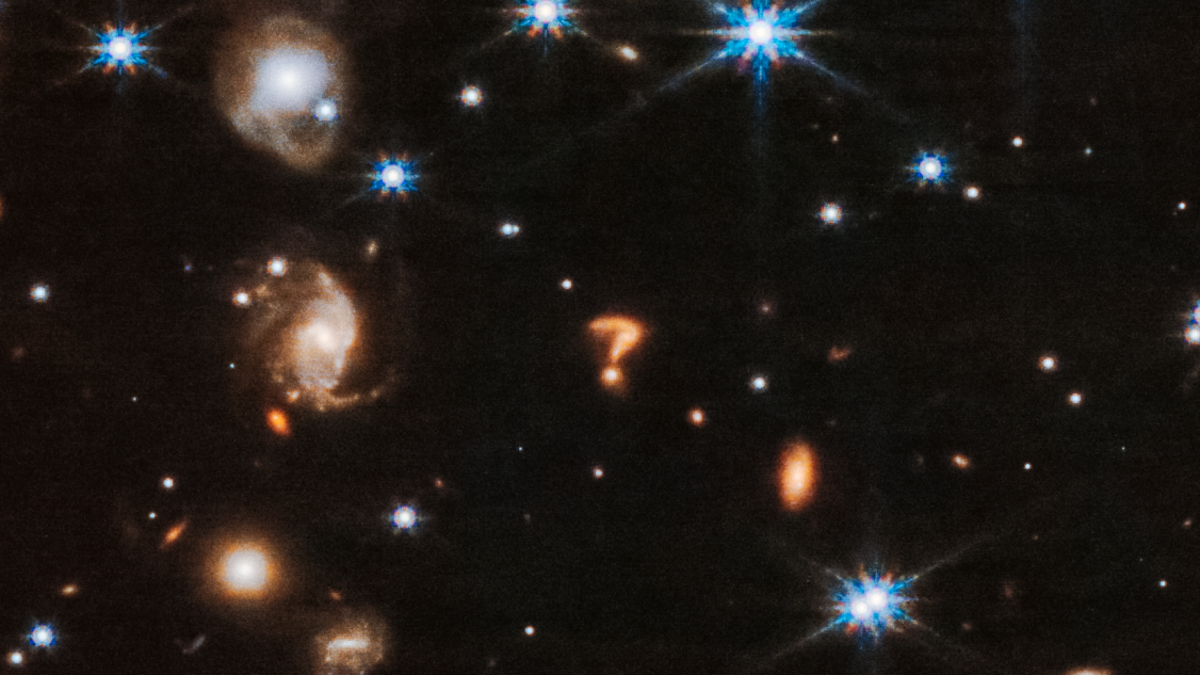
Webb is casting the universe in a new light, but the space telescope's discovery of a cosmological question mark has us scratching our heads.
Viewed by
You are the first to view
Foams' spread: Scientists reveal sliding secrets - Newswise
8/2/23 at 3:18am

Tokyo Met University researchers reveal foam spreading physics: Scraping speed dictates distinct patterns, influenced by competing physical forces.
Viewed by
You are the first to view
Russian scientists have grown watermelons in the coldest place on Earth - Livescience.com
8/3/23 at 3:18pm
Viewed by
You are the first to view
Bees Originated in Western Gondwana before Breakup of Africa and South America, Study Suggests - Sci.News
8/1/23 at 11:17pm

New research led by Universidade de São Paulo and Washington State University scientists demonstrates that bees originated in western Gondwana (Africa and South America) in the Early Cretaceous epoch.
Viewed by
You are the first to view
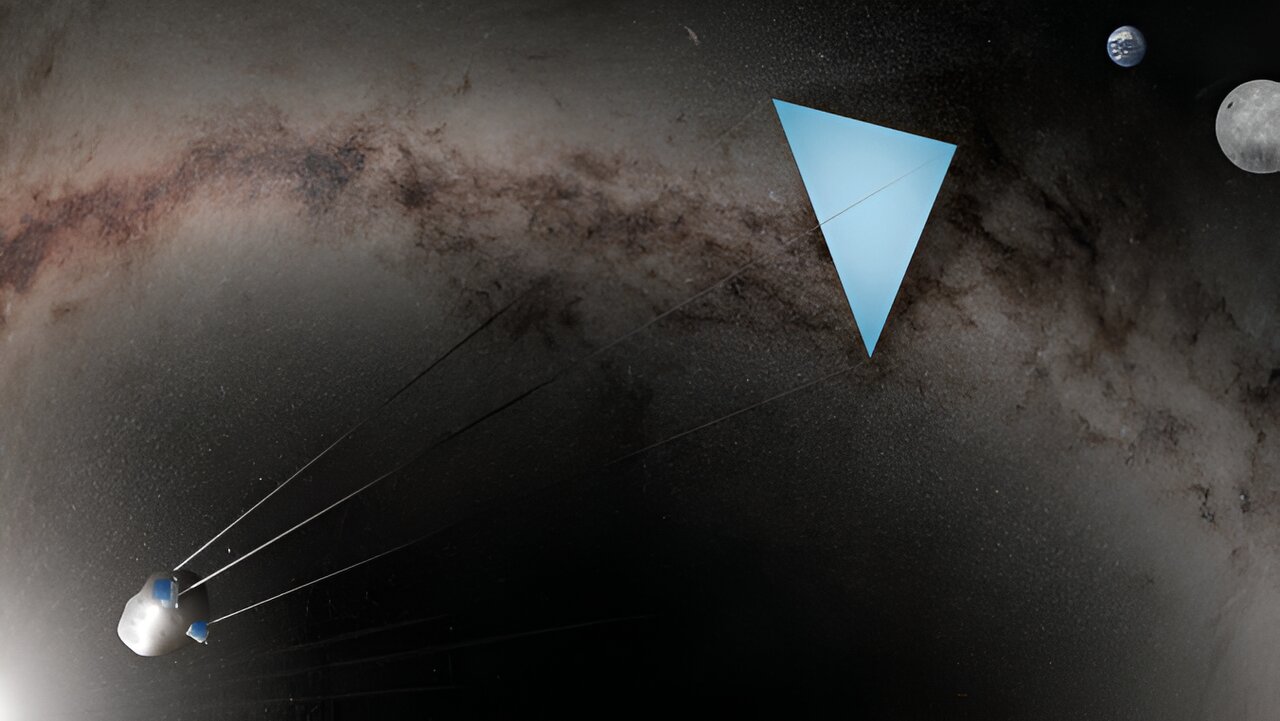
Earth is rapidly warming and scientists are developing a variety of approaches to reduce the effects of climate change. István Szapudi, an astronomer at the University of Hawaiʻi Institute for Astronomy, has proposed a novel approach—a solar shield to reduce …
Viewed by
You are the first to view
/cdn.vox-cdn.com/uploads/chorus_asset/file/24821396/Euclid_early_commissioning_test_images.png)
Europe’s first Euclid test images, taken from space, confirm that the telescope’s instruments work as the agency continues to test and verify that it functions as intended.
Viewed by
You are the first to view

A research team led by Prof. Yossi Paltiel at the Hebrew University of Jerusalem with groups from HUJI, Weizmann and IST Austria has published a new study that reveals the influence of nuclear spin on biological processes. This discovery challenges long-held …
Viewed by
You are the first to view
Ancient pathogens released from melting ice could wreak havoc on the world, new analysis reveals - Study Finds
8/2/23 at 3:18pm

Could pathogens that were once common on Earth – but frozen for millennia in glaciers, ice caps and permafrost – emerge from the melting ice to lay waste to modern ecosystems? The potential is, in fact, quite real.
Viewed by
You are the first to view