Astronomers explore the double nucleus of galaxy NGC 4486B - Phys.org
12/28/25 at 6:59am

Using the James Webb Space Telescope (JWST), an international team of astronomers has observed an elliptical galaxy known as NGC 4486B. Results of the observational campaign, published Dec. 16 on the arXiv preprint server, deliver important insights into the …
Viewed by
You are the first to view
Why Does Earth Get Colder When We’re Closest to the Sun? - The Daily Galaxy
12/28/25 at 6:59am

Ever wondered why our seasons feel the way they do, despite the Earth being closest to the Sun during winter?
Viewed by
You are the first to view
The world's 'hidden' volcanoes pose the greatest risk for global crisis - Live Science
12/28/25 at 6:59am

A dormant volcano in Ethiopia erupted after 10,000 years of silence. This event shows how the world's little-known volcanoes pose the greatest threat.
Viewed by
You are the first to view
The Largest Marine Reptile Scientists Have Ever Identified Was Found by an 11-Year-Old Girl During a Beach Walk - Indian Defence Review
12/28/25 at 6:59am

An 11-year-old’s beachside discovery has stunned scientists and triggered a major rewrite of prehistoric history. Buried beneath Britain’s crumbling cliffs lies evidence of a marine predator so massive, it rivals the blue whale, and it’s unlike anything seen …
Viewed by
You are the first to view
After Decades of Speculation, Physicists Finally Confirm the Existence of "Time Mirrors" - The Daily Galaxy
12/28/25 at 6:59am

Scientists have reversed electromagnetic waves in time—not science fiction, but a real experiment that challenges what we know about physics.
Viewed by
You are the first to view
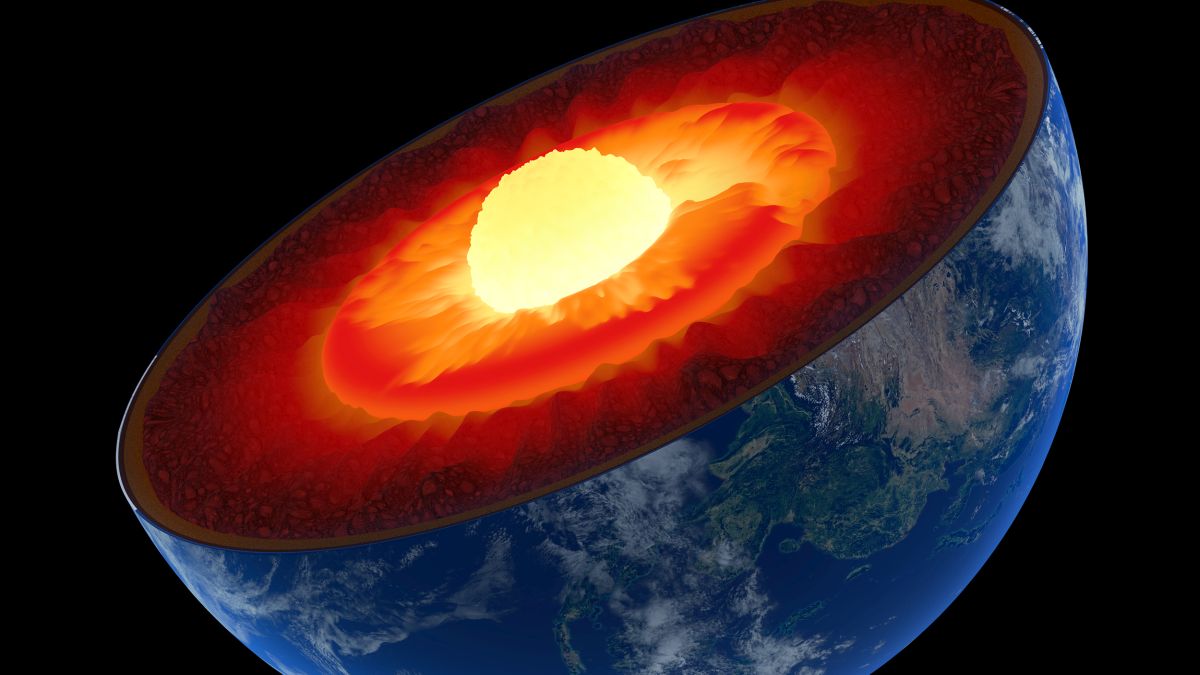
By firing tiny projectiles of iron-carbon alloy from a high-speed cannon, scientists have finally demonstrated that a weird part-solid, part-liquid-like state thought to exist inside Earth's inner core is indeed possible.
Viewed by
You are the first to view
16YO Babysits For Neighbor, Refuses To Do It Again After Incident Yet Is Called Ungrateful - Bored Panda
12/28/25 at 6:59am

A teenager agreed to babysit a neighbor’s kids for a few hours, expecting a simple job and some extra cash.
Instead, chaos ensued when the energetic eight-year-old destroyed his Nintendo Switch, turning a routine favor into a stressful ordeal.
When he pol…
Viewed by
You are the first to view
New telescope for Christmas? Here's what you could observe. - Space
12/28/25 at 6:59am
Our beginner-friendly guide helps you get familiar with the moon, Jupiter, nebulas and galaxies this Christmas.
Viewed by
You are the first to view
Science history: Marie Curie discovers a strange radioactive substance that would eventually kill her — Dec. 26, 1898 - Live Science
12/28/25 at 6:59am

Scientists in Paris discovered two new substances with incredible radioactivity. It earned them the Nobel Prize in Physics but would ultimately kill one of them.
Viewed by
You are the first to view
Giant crustaceans inhabit most of Earth's deep ocean floors, according to a surprising study - Earth.com
12/28/25 at 6:59am

Giant amphipod species Alicella gigantea, once thought to be very rare, is found to inhabit the majority of Earth's deep ocean floors.
Viewed by
You are the first to view
50-Year-Old Mystery of Tissue Regeneration Solved by New Research - Indian Defence Review
12/28/25 at 6:59am

A 50-year-old scientific mystery surrounding tissue regeneration after severe damage has finally been solved, offering exciting new insights into cell survival and repair.
Viewed by
You are the first to view
Supernova from the dawn of the universe captured by James Webb Space Telescope - Phys.org
12/28/25 at 6:59am

An international team of astronomers has achieved a first in probing the early universe, using the James Webb Space Telescope (JWST), detecting a supernova—the explosive death of a massive star—at an unprecedented cosmic distance.
Viewed by
You are the first to view
Astronaut photographs a beautiful phenomenon called 'lunar halo' - Earth.com
12/28/25 at 6:59am
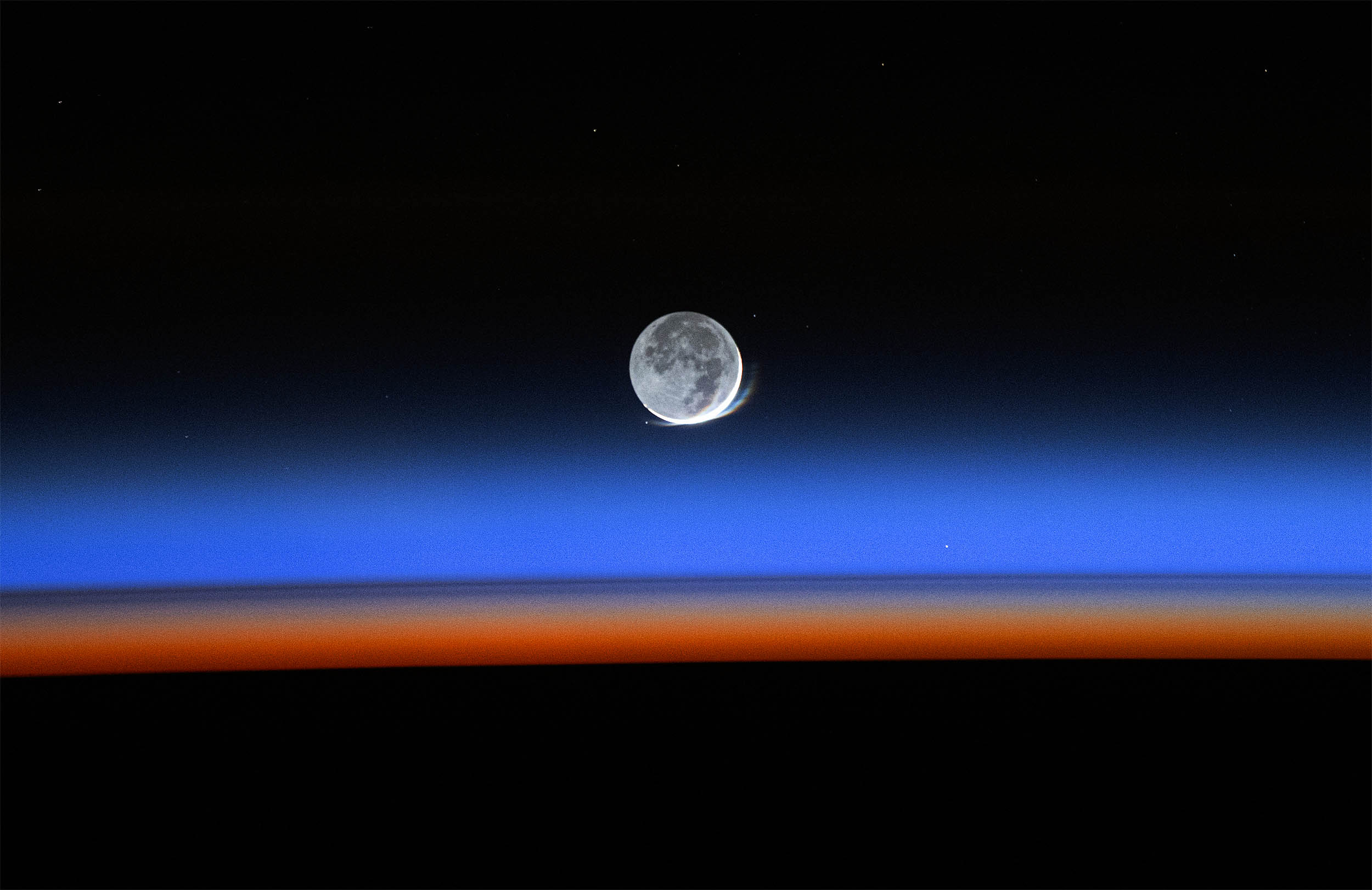
An astronaut on the ISS photographed a "lunar halo" over the Indian Ocean, revealing ice and rare optical phenomena from space.
Viewed by
You are the first to view
3I/ATLAS Sheds Particles that Are Much Bigger Than Common Sunlight-Scattering Dust - Avi Loeb – Medium
12/28/25 at 6:59am

Recent images of the interstellar object 3I/ATLAS show a tightly collimated anti-tail jet that extends out to at least 400,000 kilometers…
Viewed by
You are the first to view
Ultracold atoms observed climbing a quantum staircase - Phys.org
12/28/25 at 6:59am

For the first time, scientists have observed the iconic Shapiro steps, a staircase-like quantum effect, in ultracold atoms.
Viewed by
You are the first to view
Neuroscience word search — Find all the parts of the brain - Live Science
12/28/25 at 6:59am

How well do you know that organ between your ears? Test your recognition of neuroscience terms with this word search.
Viewed by
You are the first to view
One of the most important scientific findings in history may be wrong, shredding centuries of physics - Earth.com
12/28/25 at 6:59am
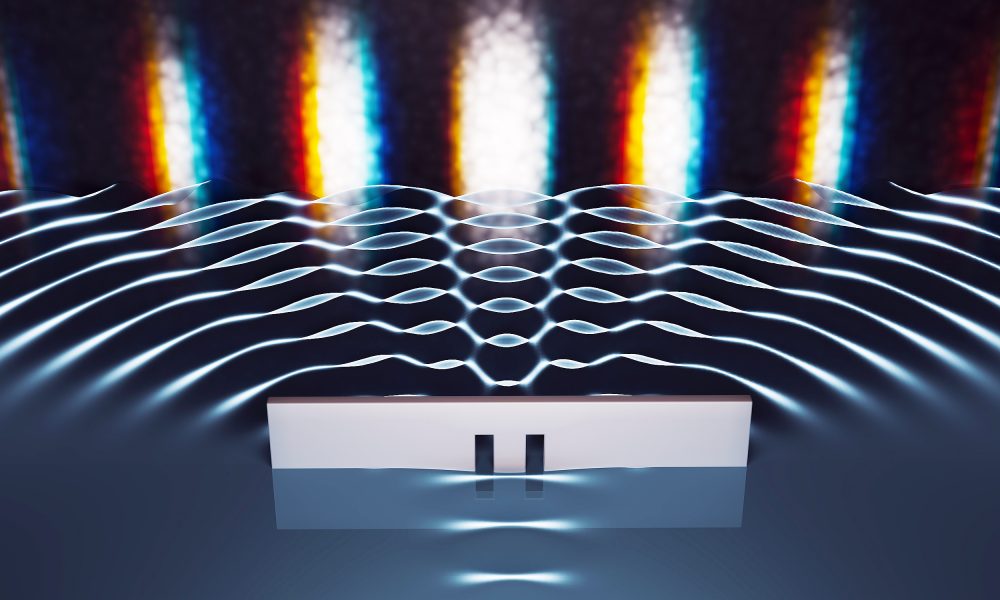
"Dark photon" theory says light's interference patterns may emerge from quantum particles, not waves, upending centuries of physics.
Viewed by
You are the first to view
How sustainability is driving innovation in functionalized graphene materials - Phys.org
12/28/25 at 6:59am

Graphene is often described as a wonder material. It is strong, electrically conductive, thermally efficient, and remarkably versatile. Yet despite more than a decade of excitement, many graphene-based technologies still struggle to move beyond the laboratory.
Viewed by
You are the first to view

Viewed by
You are the first to view
Clouds Are Weirder at the Top Than We Thought - Gizmodo
12/28/25 at 6:59am

A new type of lidar is allowing physicists to study cloud tops at a resolution 100 to 1,000 times higher than before.
Viewed by
You are the first to view
Astronomers discover one of the Universe’s largest spinning structures - ScienceDaily
12/28/25 at 6:59am
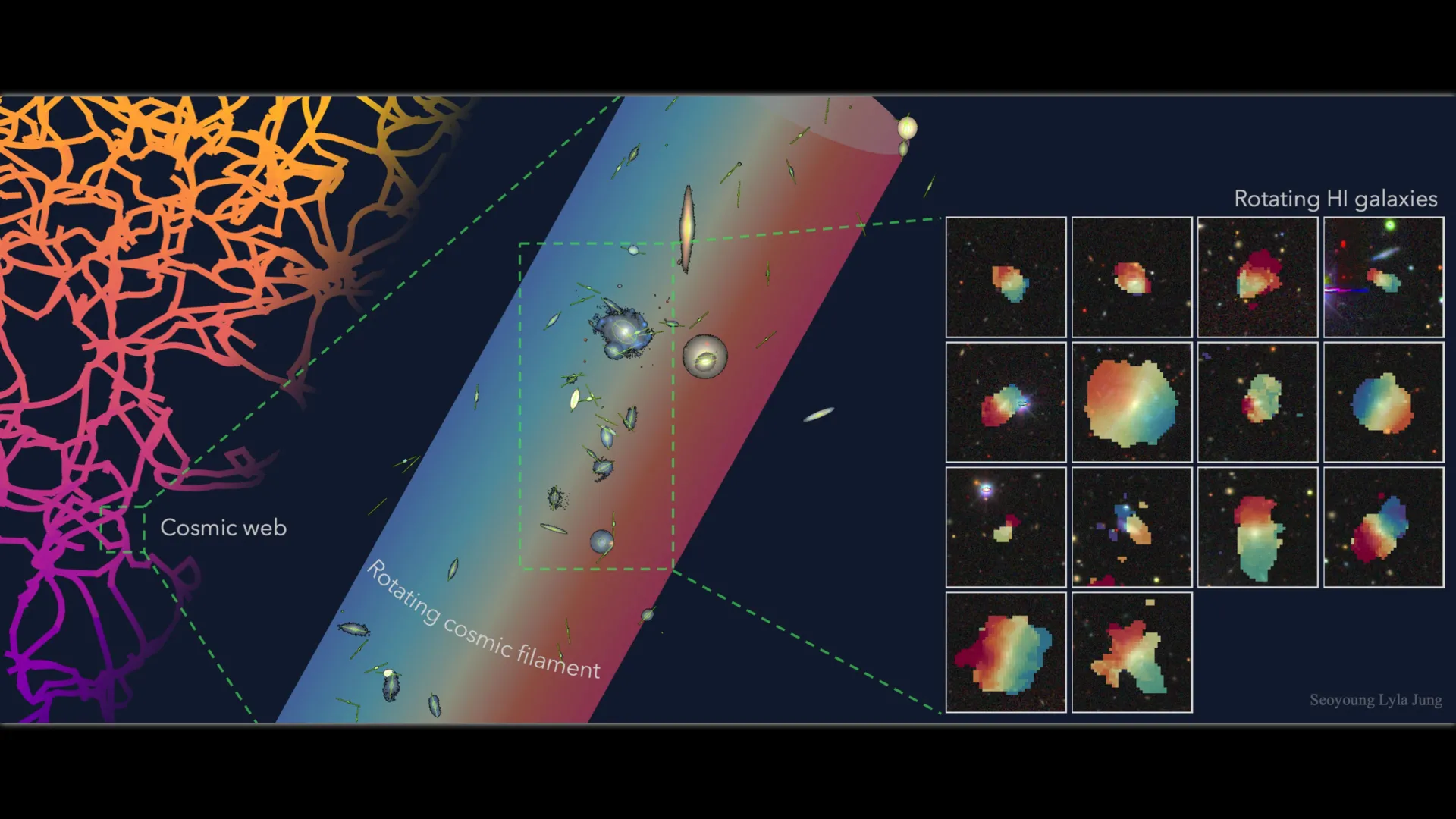
Scientists have discovered a giant cosmic filament where galaxies spin in sync with the structure that holds them together. The razor-thin chain of galaxies sits inside a much larger filament that appears to be slowly rotating as a whole. This coordinated mot…
Viewed by
You are the first to view
A Cosmic Christmas Tree Lights Up the Milky Way - SciTechDaily
12/28/25 at 6:59am
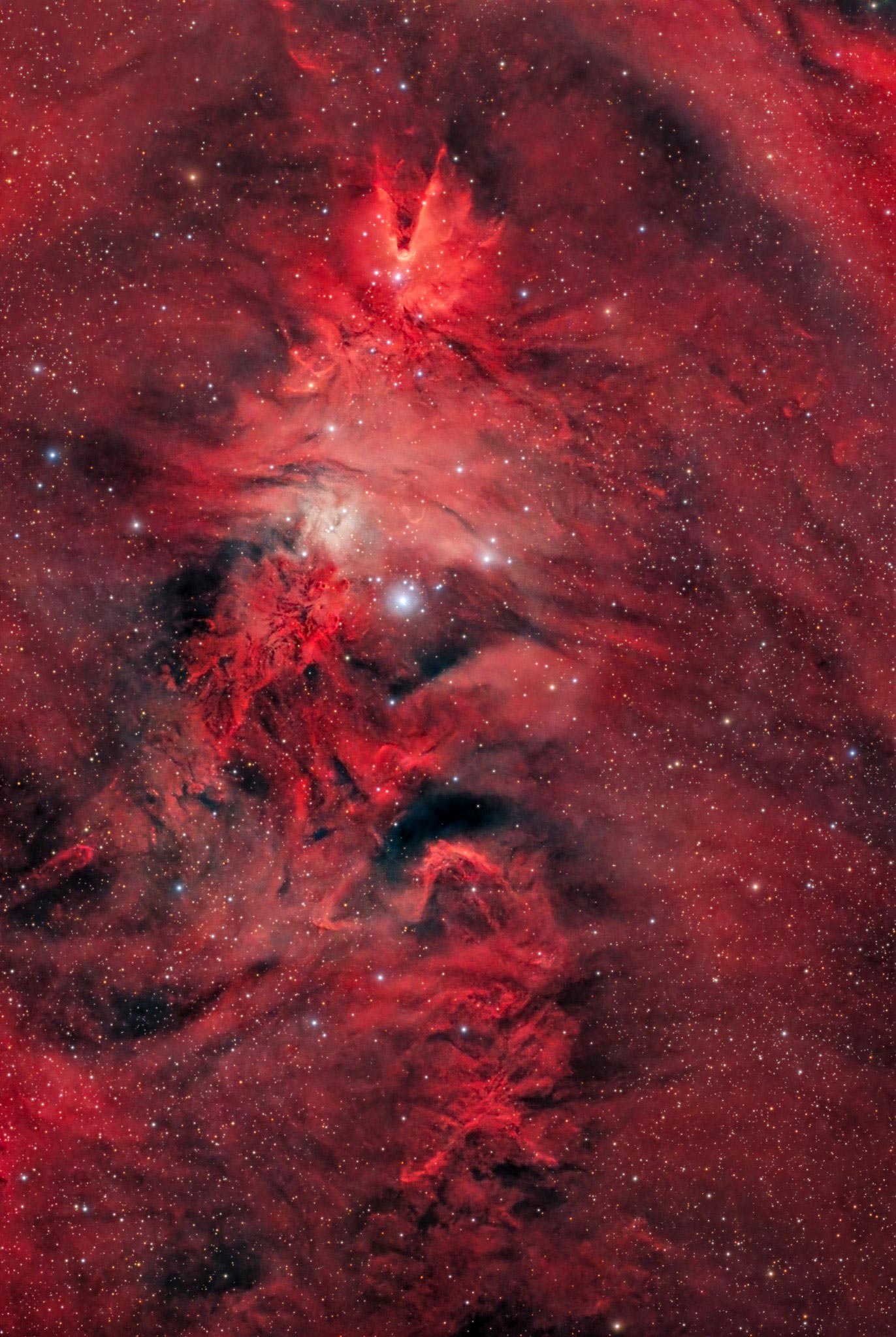
Just in time for Christmas, a vast star-forming region shaped like a Christmas tree is lighting up space 2,700 light-years from Earth. NGC 2264 is a vast region of space where new stars are actively forming, located about 2,700 light-years from Earth in the f…
Viewed by
You are the first to view
NASA's Biggest Mars Find Yet: Perseverance Rover Spots Something Mysterious from Outer Space! - The Daily Galaxy
12/28/25 at 6:59am

Perseverance has just uncovered something that doesn’t belong to Mars, and possibly not even the solar system.
Viewed by
You are the first to view
Astronauts beam home Christmas wishes from International Space Station: 'I think we may be orbiting a little higher than Santa' (video) - Space
12/28/25 at 6:59am
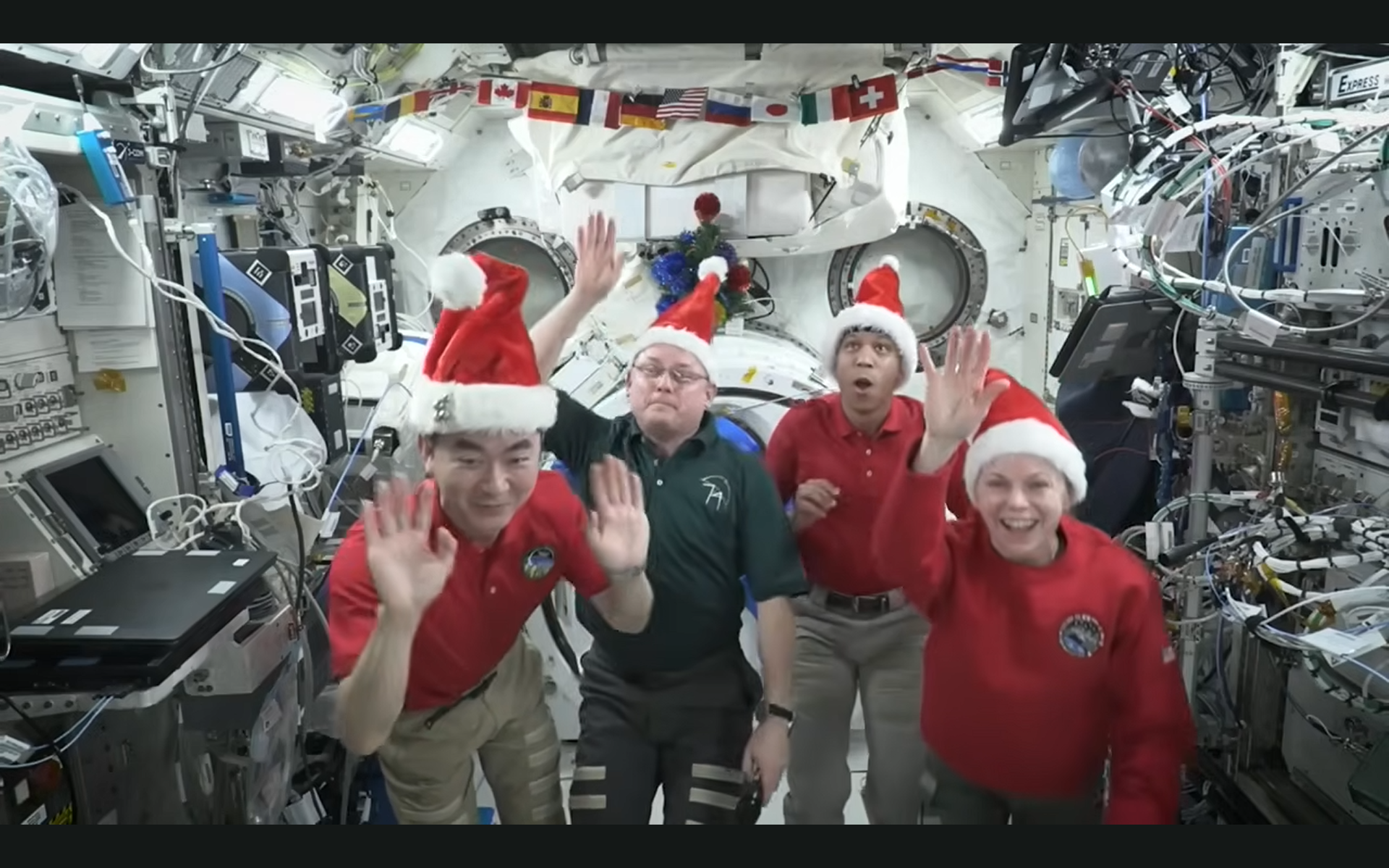
They won't be home for Christmas, but that's okay.
Viewed by
You are the first to view
Something Just Smashed Through the Moon, and Astronomers Captured the Whole Event From 380,000 Kilometers Away - Indian Defence Review
12/28/25 at 6:59am

A sudden flash on the Moon has stunned astronomers, captured live from Earth in a rare, crystal-clear moment of cosmic impact. The brief explosion has revealed something unexpected about the Moon’s surface and what’s still striking it today.
Viewed by
You are the first to view