Unlocking the Mind's Grid: Separating Sensory and Cognitive Networks Through Brain Receptor Mapping - SciTechDaily
6/21/23 at 12:05am

Scientists have mapped neurotransmitter receptors in macaque brains, discovering key organizational principles that help distinguish internal thoughts from external influences. The data, made publicly available, could provide valuable insights into brain acti…
Viewed by
You are the first to view
Theoretical Breakthrough Could Finally Solve the Mystery of Invisible Dark Matter - The Debrief
6/21/23 at 12:05am
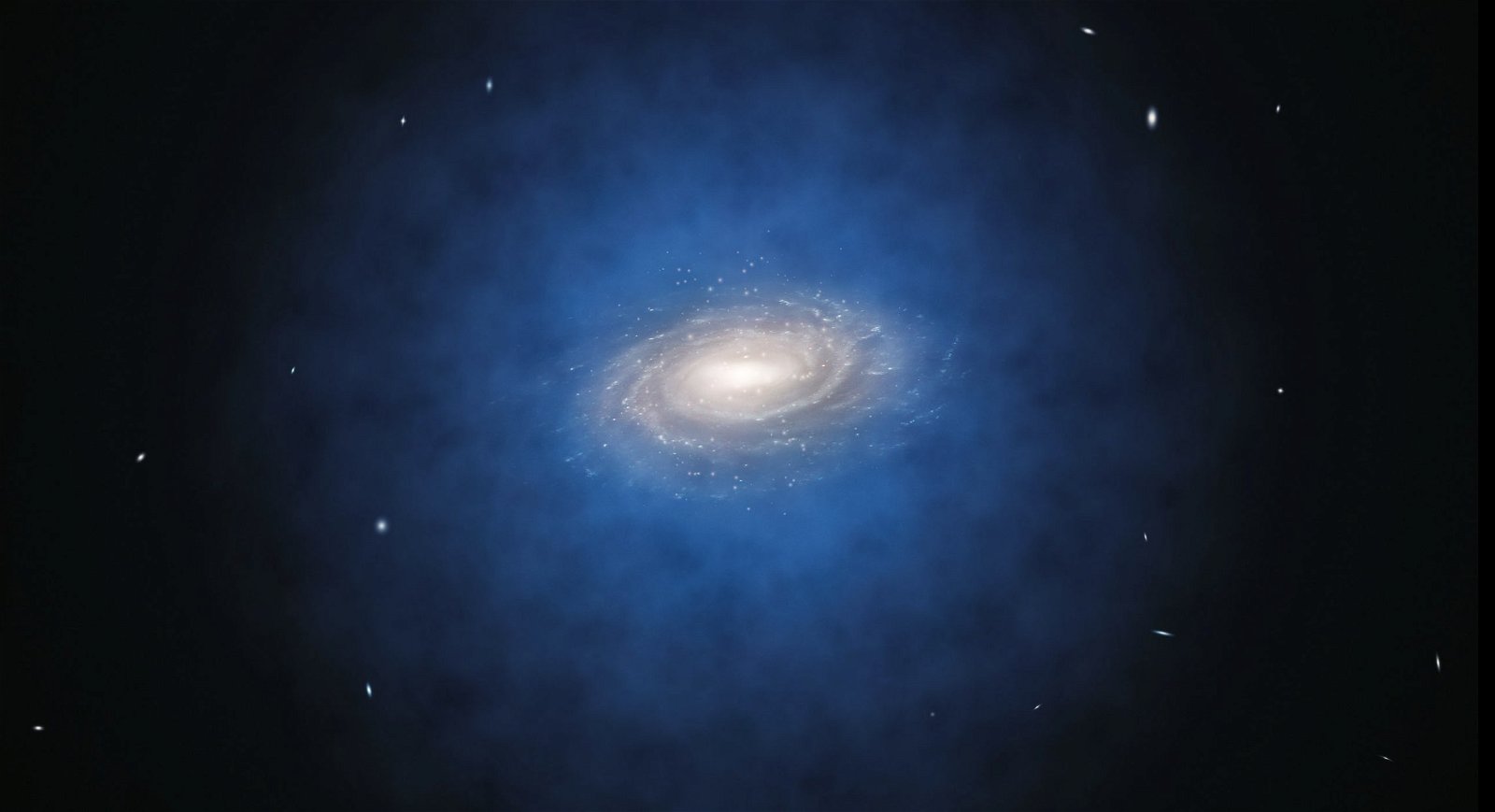
A team of researchers says the lack of clumpiness in the universe could help to shed new light on the composition of dark matter.
Viewed by
You are the first to view
Why is the sky dark at night? The 200-year history of a question that transformed our understanding of the universe - Phys.org
6/21/23 at 4:05pm

As dawn rose over the German city of Bremen on May 7, 1823, Heinrich Olbers put the finishing touches to an article that left his name in history. After the deaths of his wife and daughter, Dr. Olbers had recently given up his work as an opthalmologist to dev…
Viewed by
You are the first to view
Deciphering the Brain's 'Traffic Lights': A Receptor Map Unveiled - Neuroscience News
6/21/23 at 12:05am
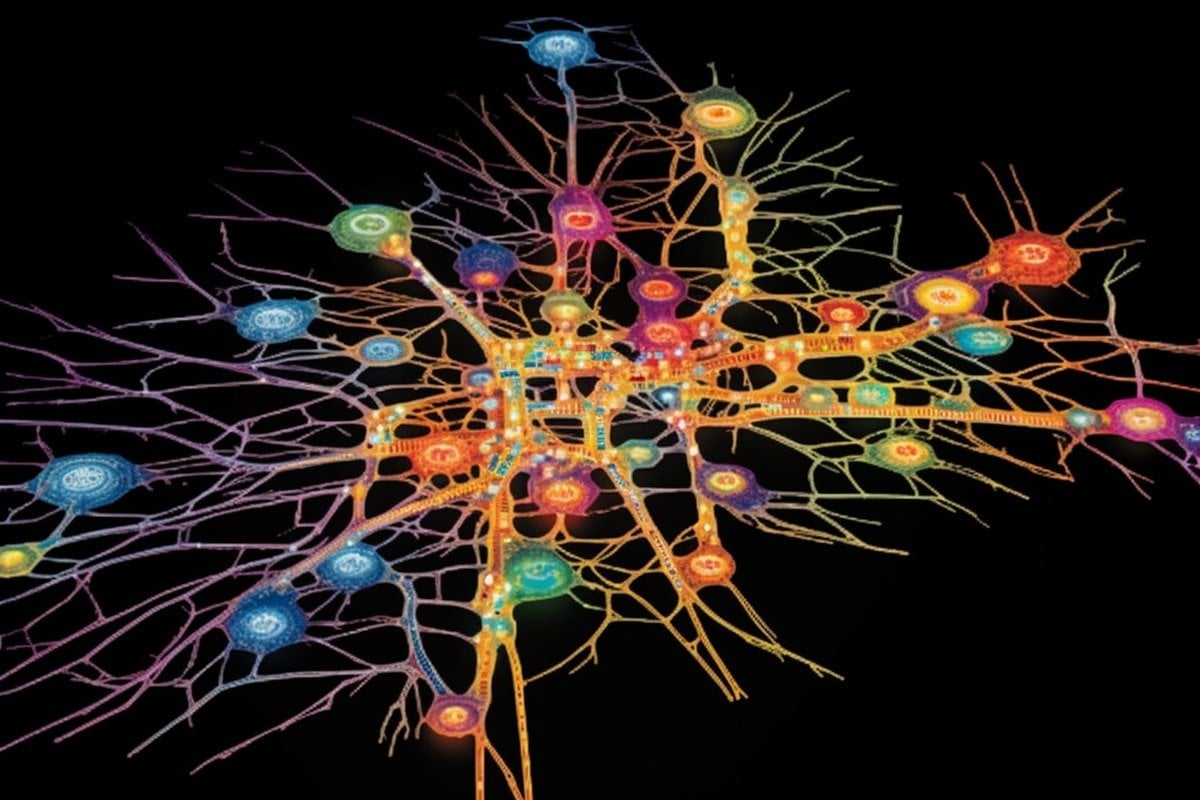
Researchers unveiled key organizational principles in the brain, thanks to an intricate mapping of neurotransmitter receptors.
Viewed by
You are the first to view
2 planets will align with the 'Earth-shining' moon on the summer solstice. Here's how to watch. - Livescience.com
6/21/23 at 12:05am
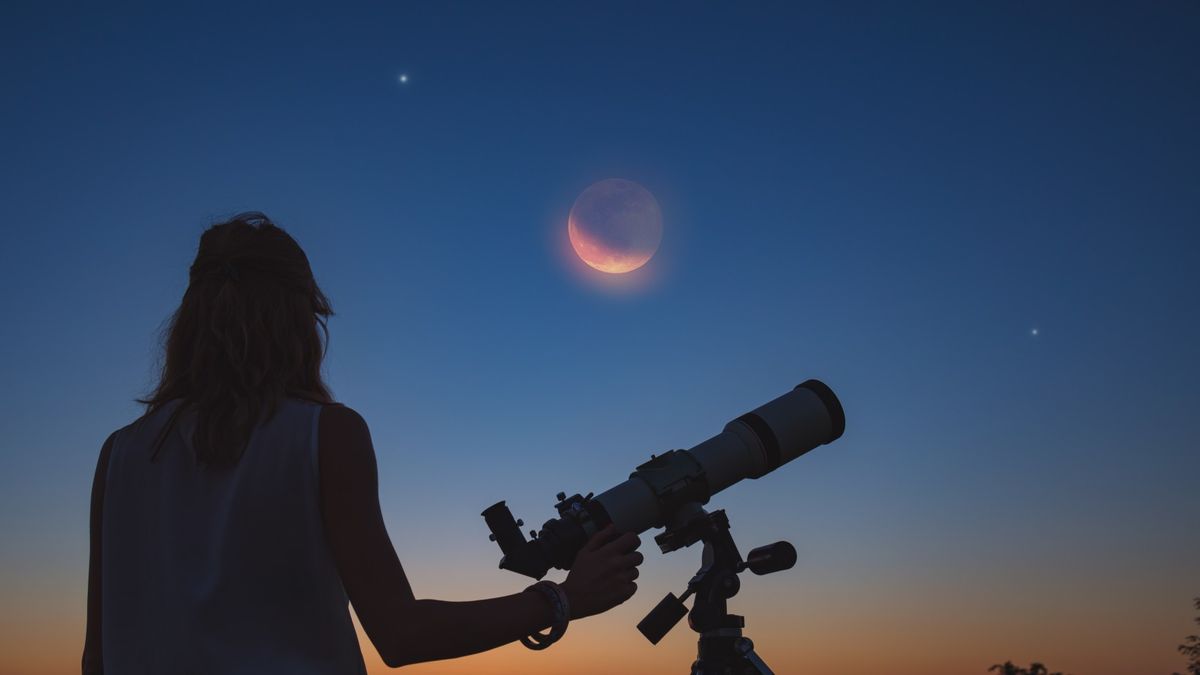
Astronomical summer in the Northern Hemisphere begins with the closest alignments of Mars, Venus and the 'Earth-shining' crescent moon until 2028.
Viewed by
You are the first to view
Astronomers Have Never Detected Merging Supermassive Black Holes. That Might Be About to Change - Universe Today
6/21/23 at 12:05am
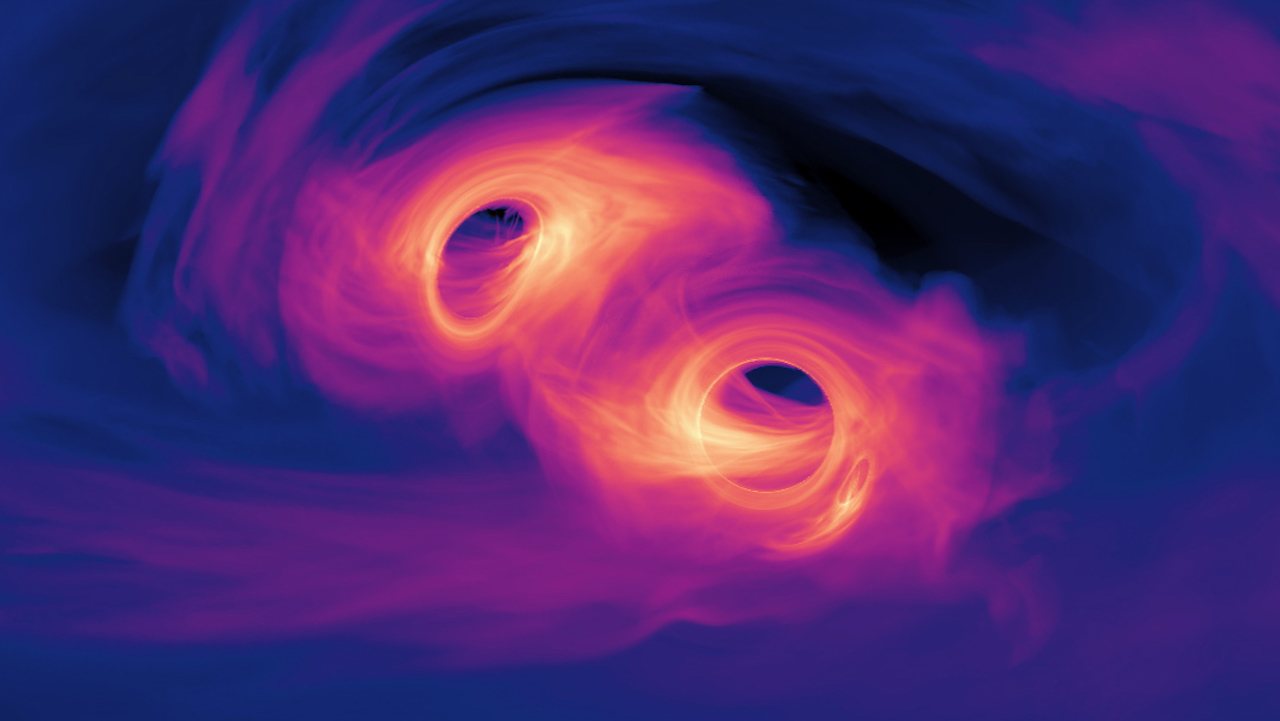
A new study suggests that pulsars could act as natural gravitational wave sensors, setting limits on supermassive black hole mergers or even detecting them.
Viewed by
You are the first to view
EPFL researchers achieve near-perfect control of individual molecules for improving sensing precision - News-Medical.Net
6/20/23 at 12:05pm

Aleksandra Radenovic, head of the Laboratory of Nanoscale Biology in the School of Engineering, has worked for years to improve nanopore technology, which involves passing a molecule like DNA through a tiny pore in a membrane to measure an ionic current.
Viewed by
You are the first to view
Even Though They're Bigger, Generation 2 Starlinks are Fainter than Gen 1 - Universe Today
6/21/23 at 12:05am
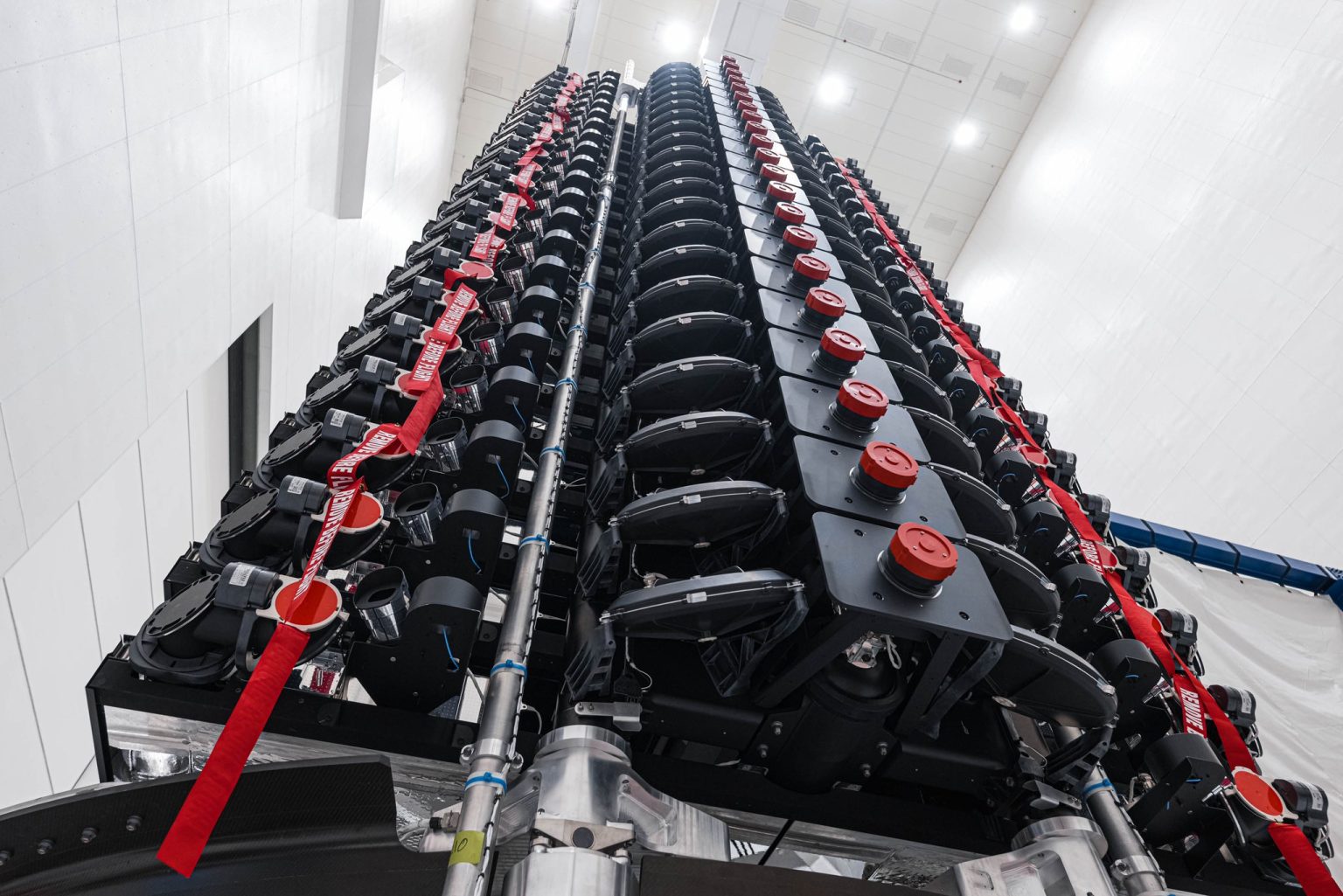
We’ve filed plenty of reports here at UT warning about the potential impact of Starlink and similar satellites on the field of astronomy. We’ve gone so far as to point out that the granddaddy of space-based telescopes – Hubble – has already had some of its im…
Viewed by
You are the first to view
Earth Is On The Brink Of Total Chaos, Here's Why - Giant Freakin Robot
6/21/23 at 4:05pm

A new report shows just how close Earth is to reaching total chaos, and unfortunately, it isn't that surprising.
Viewed by
You are the first to view
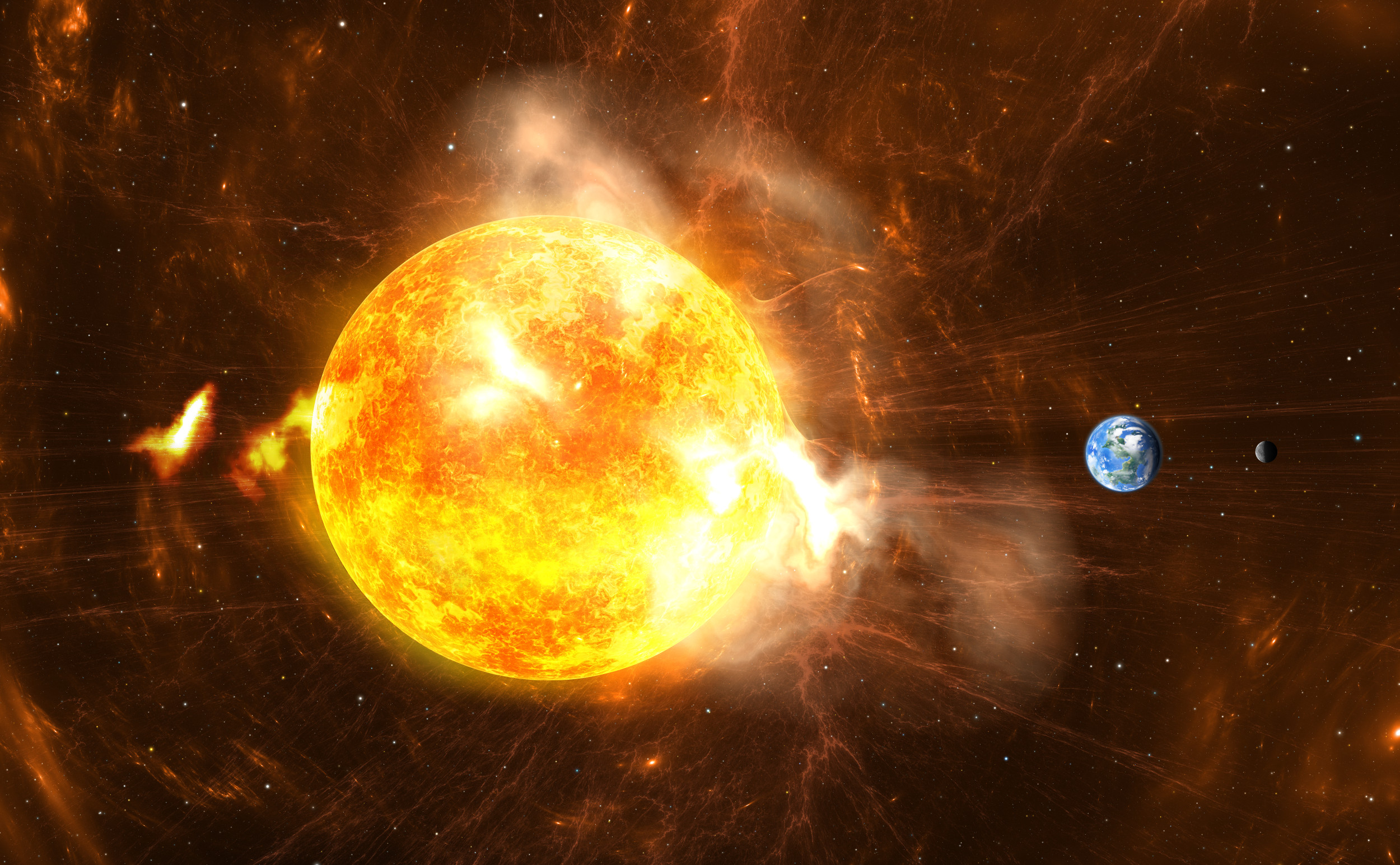
Despite the exciting discovery, scientists remain puzzled as to how they can use the information to pinpoint forthcoming earthquakes.
Viewed by
You are the first to view
DIY Picosatellites Hack Chat - Hackaday
6/21/23 at 12:05am
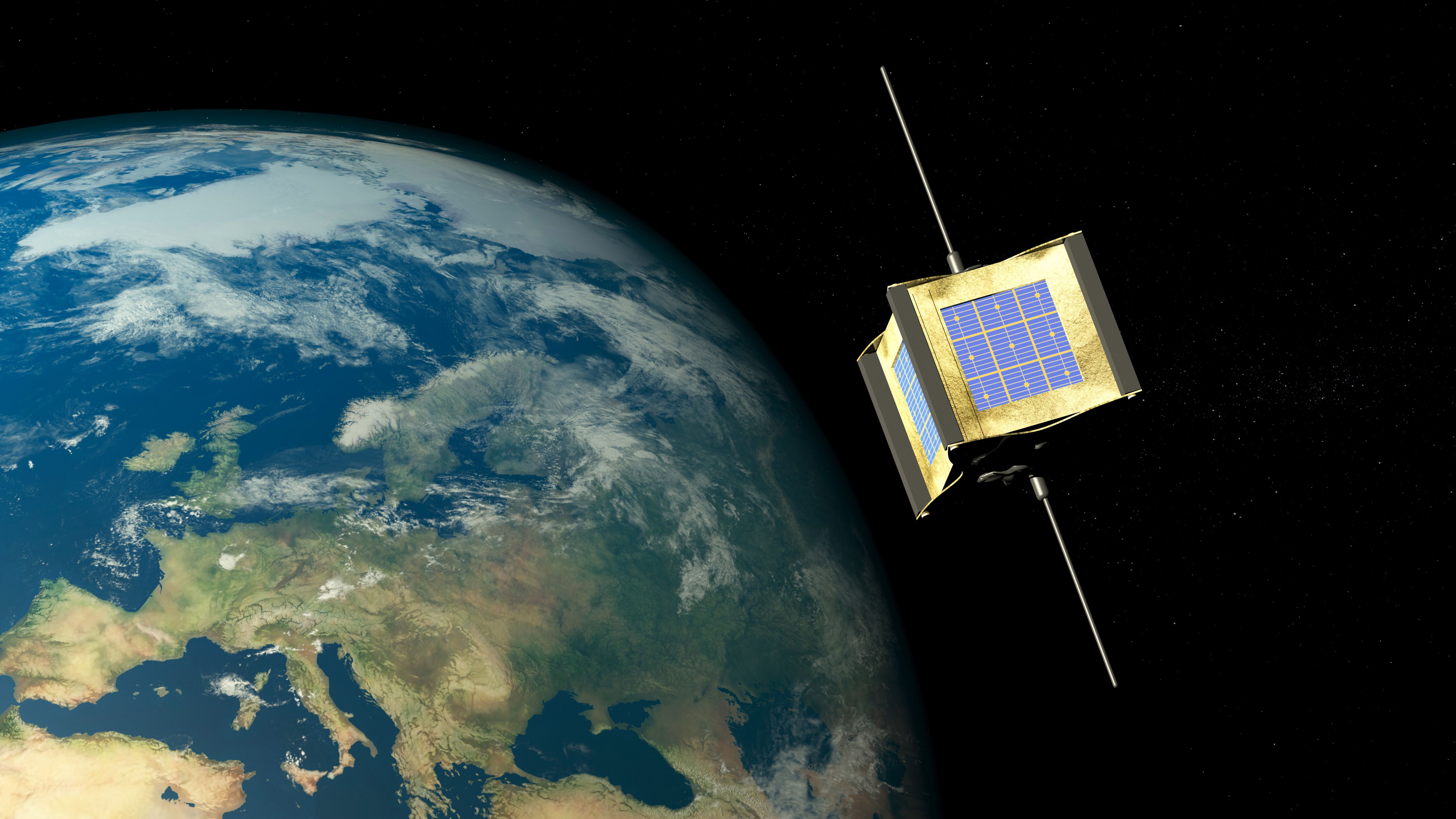
Join us on Wednesday, June 21 at noon Pacific for the DIY Picosatellites Hack Chat with Nathaniel Evry! Building a satellite and putting it in orbit was until very recently something only a nation …
Viewed by
You are the first to view
George Lucas Was 37 Years Ahead Of Science: New Tatooine-Like Planet With Twin Suns Discovered - Screen Rant
6/20/23 at 12:05pm

Planets like Tatooine existing in real life were long thought impossible, but George Lucas was 37 years ahead of science when creating Star Wars.
Viewed by
You are the first to view
Nuclear-powered 'flashlight' to be developed for lunar studies : New Nuclear - World Nuclear News - World Nuclear News
6/21/23 at 12:05am
An X-ray "flashlight" which would use an energy source based on Ultra Safe Nuclear Corporation's EmberCore nuclear chargeable ceramic technology to map the lunar surface has been selected for early-stage funding under the NASA Innovative Advanced Concepts pro…
Viewed by
You are the first to view
Nuclear-powered 'flashlight' to be developed for lunar studies : New Nuclear - World Nuclear News
6/21/23 at 4:05pm
An X-ray "flashlight" which would use an energy source based on Ultra Safe Nuclear Corporation's EmberCore nuclear chargeable ceramic technology to map the lunar surface has been selected for early-stage funding under the NASA Innovative Advanced Concepts pro…
Viewed by
You are the first to view
JWST molecular mapping and characterization of Enceladus’ water plume feeding its torus - Nature.com
6/20/23 at 12:05pm
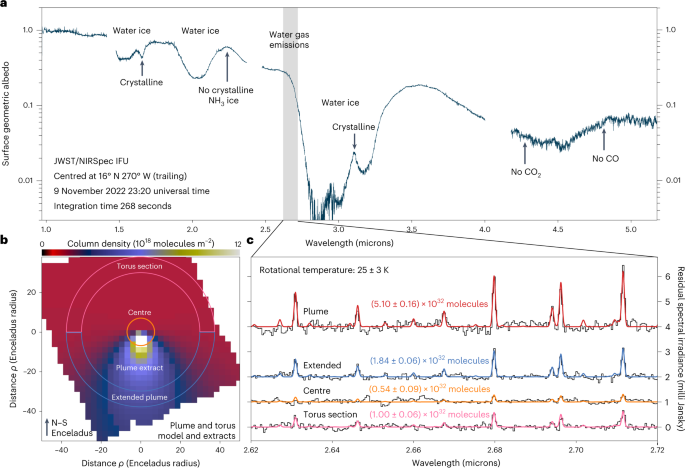
The extensive water plume that originates from Enceladus and extends up to 40 Enceladus radii is mapped and characterized by JWST. Data suggest a sustained and uninterrupted plume activity spanning decades and a surface dominated by crystalline H2O ice. No ot…
Viewed by
You are the first to view
Viewed by
You are the first to view
Metallic bond between two beryllium atoms made for the first time - Phys.org
6/21/23 at 12:05am
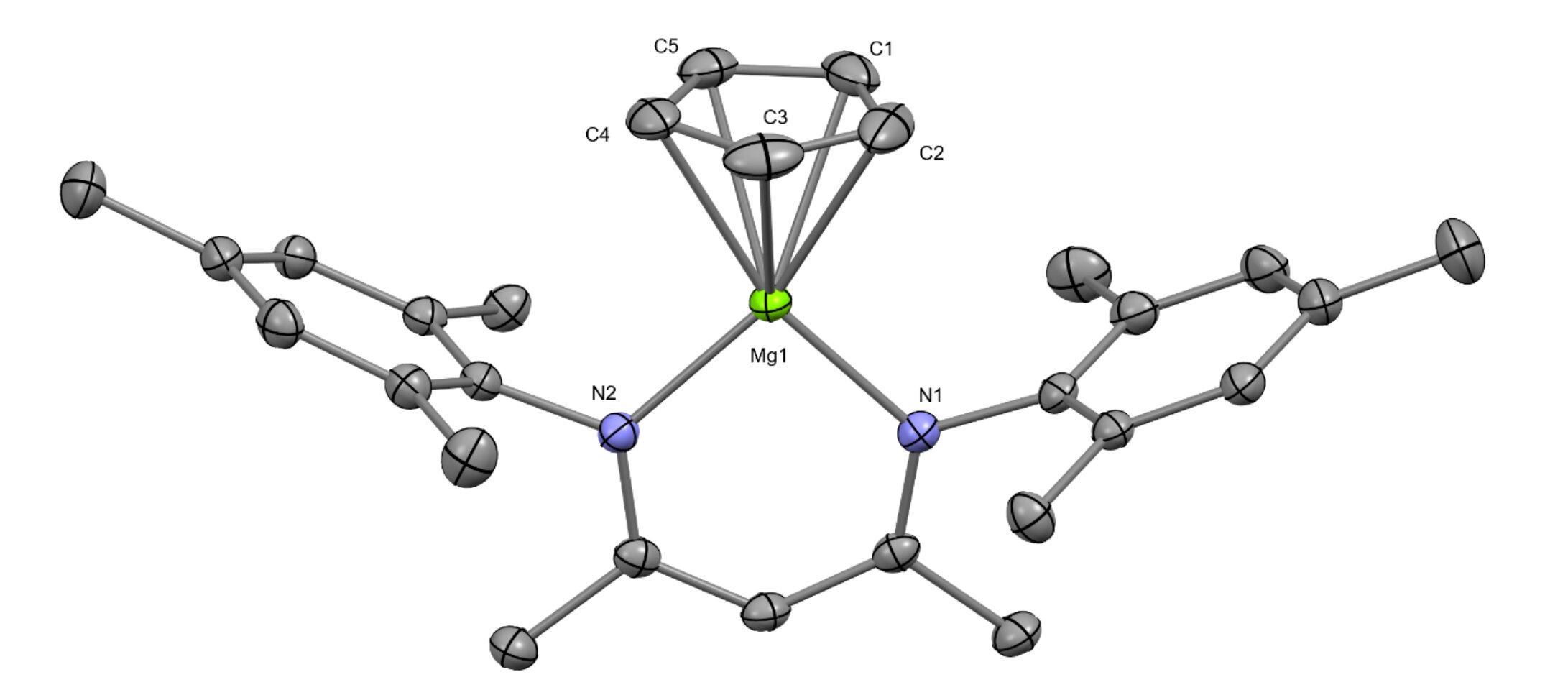
A quartet of chemists at the University of Oxford has, for the first time, found a way to get two beryllium atoms to bond with one another. In their paper published in the journal Science, Josef Boronski, Agamemnon Crumpton, Lewis Wales and Simon Aldridge, de…
Viewed by
You are the first to view
CERN plans to collaborate with projects for future gravitational-wave observatories - Phys.org
6/21/23 at 4:05pm

Gravitational waves, like the discovery of the Higgs boson in 2012, have made their mark on a decade of extraordinary discoveries in physics. Unlike gravity, which is created when massive objects leave their mark in the fabric of spacetime, gravitational wave…
Viewed by
You are the first to view
New Research Sheds More Light on Evolution of Europa’s Interior - Sci.News
6/21/23 at 12:05am

Many planetary scientists studying Jupiter’s moon Europa assumed that it formed with a metallic core during or shortly after accretion.
Viewed by
You are the first to view
Enormous 240 million-year-old sea monster had its head torn off in one clean bite - Livescience.com
6/21/23 at 12:05am

Analysis of bite marks on Tanystropheus hydroides, which lived during the Middle Triassic, showed another predator had attacked from above and torn its neck in two.
Viewed by
You are the first to view
Extreme DNA resolution: Spatially multiplexed single-molecule translocations through a nanopore at controlled speeds - Phys.org
6/21/23 at 12:05am

Aleksandra Radenovic, head of the Laboratory of Nanoscale Biology in the School of Engineering, has worked for years to improve nanopore technology, which involves passing a molecule like DNA through a tiny pore in a membrane to measure an ionic current. Scie…
Viewed by
You are the first to view
Even galaxies recycle - Ars Technica
6/21/23 at 12:05am
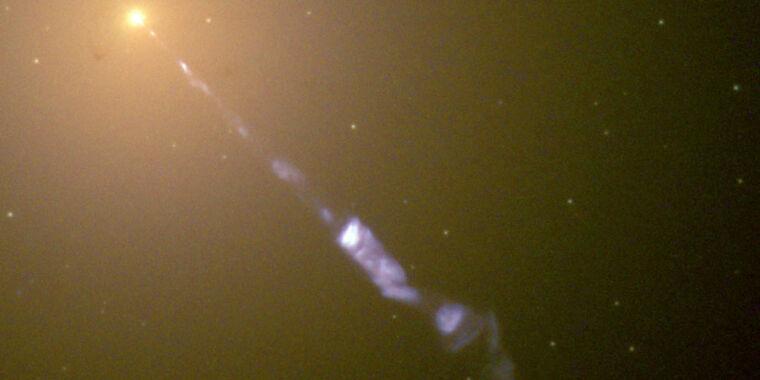
A quasar ejected the remains of stars, but another galaxy sucked them back in.
Viewed by
You are the first to view
Human Brain Project study offers insights into neuroreceptor organization - Medical Xpress
6/20/23 at 12:05pm
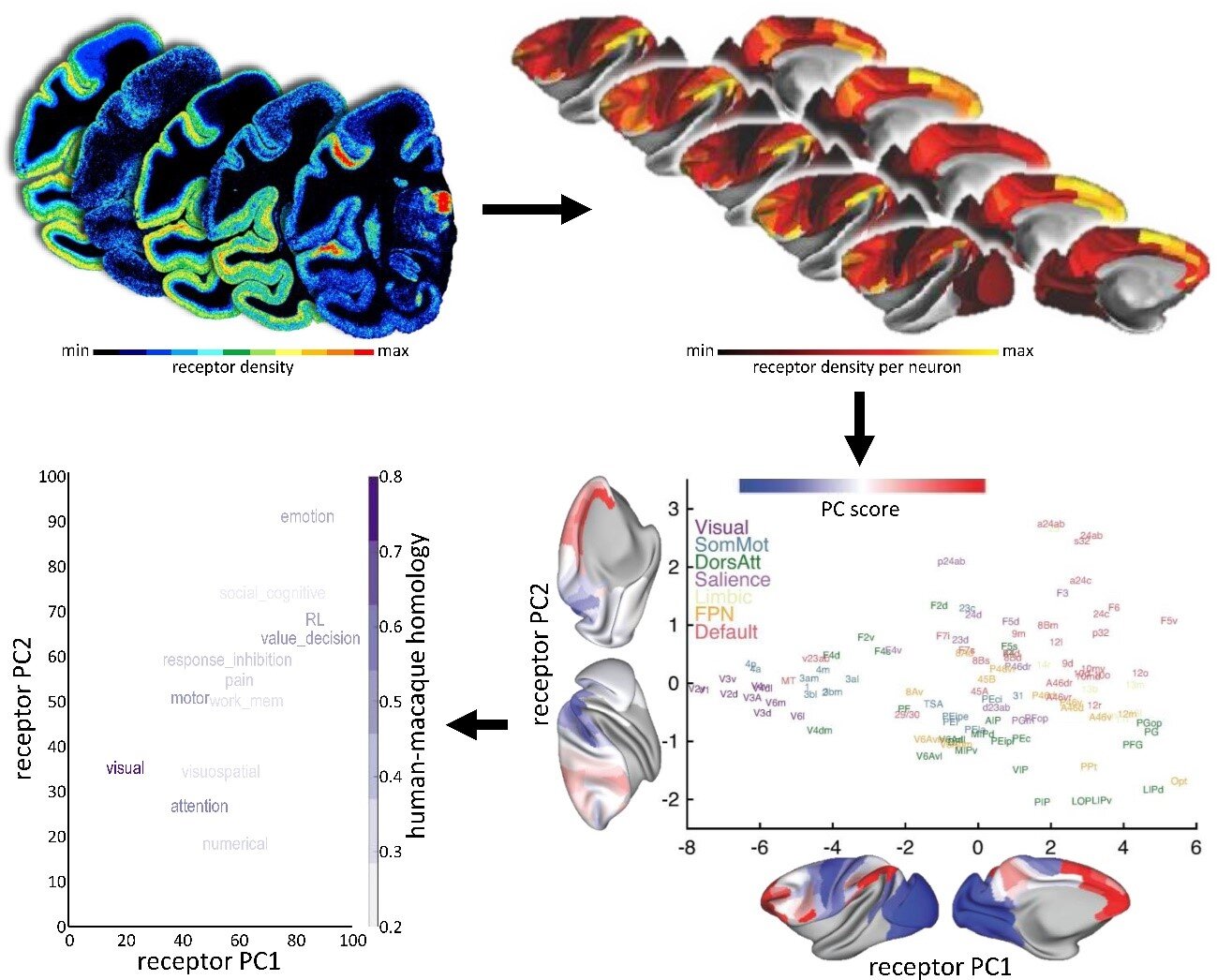
A key challenge in neuroscience is to understand how the brain can adapt to a changing world, even with a relatively static anatomy. The way the brain's areas are structurally and functionally related to each other—its connectivity—is a key component. In orde…
Viewed by
You are the first to view

Science was done differently back in the day.
Viewed by
You are the first to view
Powerful M-class solar flare sparks blackout over Atlantic Ocean! NOAA shares details - HT Tech
6/20/23 at 12:05pm
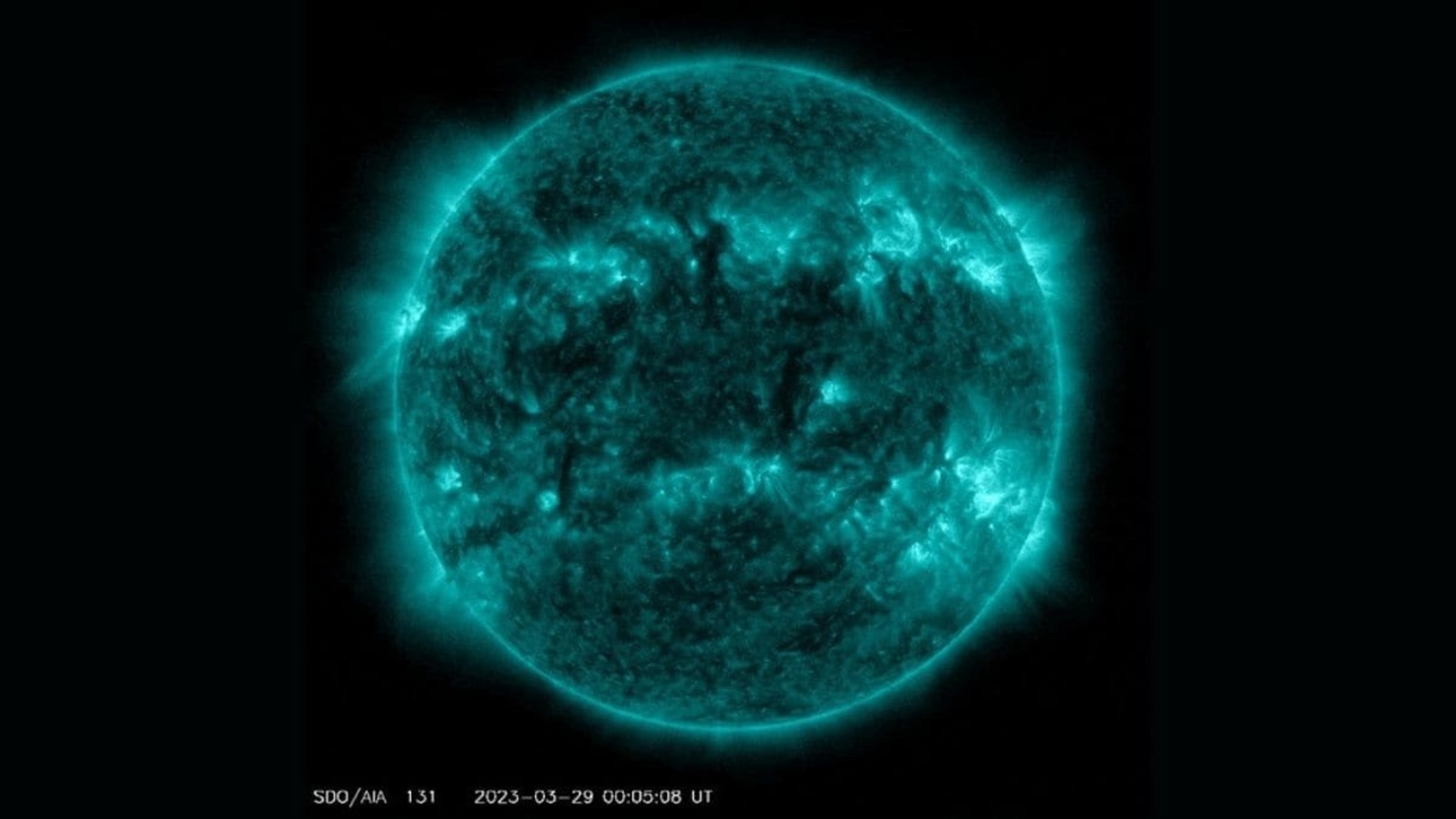
An unstable sunspot, AR3335 has exploded producing a solar flare that triggered blackouts over the Atlantic Ocean.
Viewed by
You are the first to view