Quantum 'Starry Night': Physicists capture elusive instability and exotic vortices - Phys.org
8/10/25 at 11:19am

Van Gogh's "The Starry Night" has stirred the souls of art lovers for over a century. Now, its swirling skies may also speak to physicists, as it echoes the patterns of quantum turbulence.
Viewed by
You are the first to view
Scientists Unearth 247-Million-Year-Old ‘Wonder’ Fossil Unlike Anything Seen Before - SciTechDaily
8/9/25 at 11:59am

An international team of researchers has published a groundbreaking study in Nature, revealing that early reptiles from the Triassic period had distinctive skin structures that served as an alternative to feathers. Body coverings like hair and feathers have p…
Viewed by
You are the first to view
Researchers say they have identified the mysterious killer of more than 5 billion sea stars - PBS
8/9/25 at 11:59am

Scientists say they have at last solved the mystery of what killed more than 5 billion sea stars off the Pacific coast of North America in a decade-long epidemic.
Viewed by
You are the first to view
The biggest black hole ever seen? Scientists find one with mass of 36 billion suns - Space
8/9/25 at 11:59am
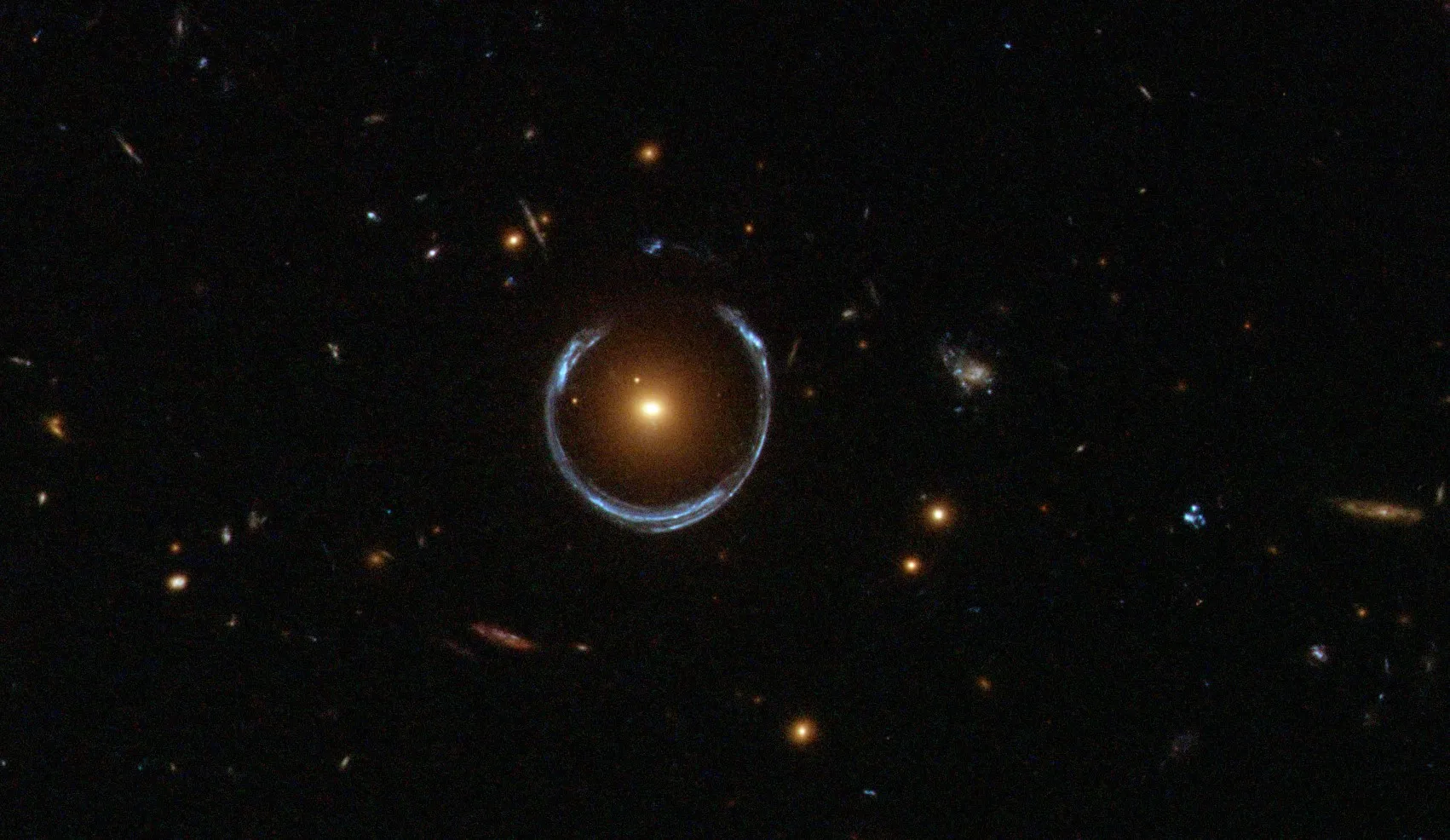
"This is amongst the top 10 most massive black holes ever discovered, and quite possibly the most massive."
Viewed by
You are the first to view
Union Pushback On Wallops Visitor Center Closure - NASA Watch
8/9/25 at 11:59am

proposed closure of the NASA Wallops Visitor Center
Viewed by
You are the first to view
A laser-propelled mini spacecraft could travel to a nearby black hole, astrophysicist says - Space
8/9/25 at 11:59am
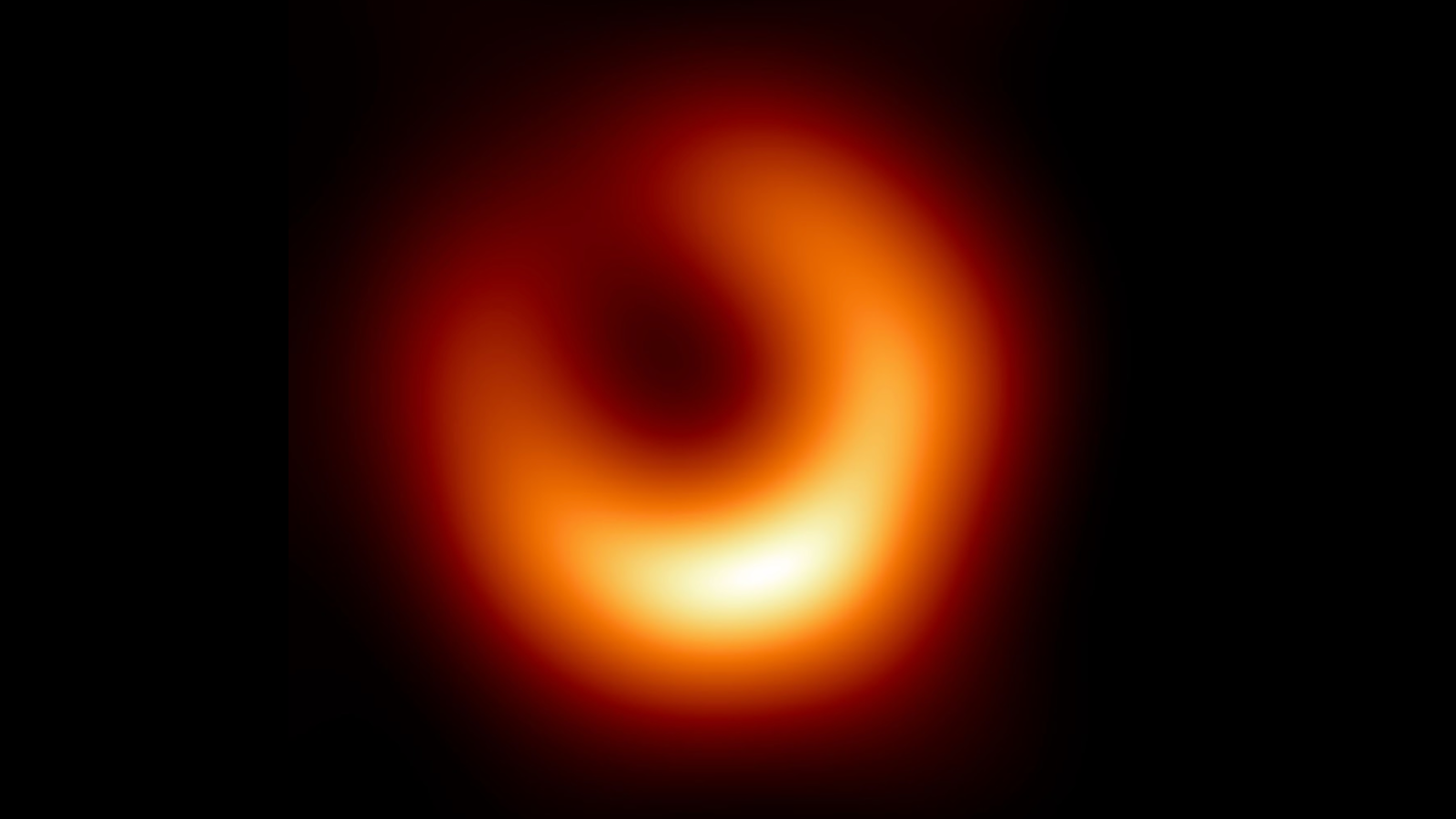
"We don't have the technology now — but in 20 or 30 years, we might."
Viewed by
You are the first to view
Scientists Think They Have Found a Brand-New Mineral on Mars - Gizmodo
8/9/25 at 11:59am

Scientists identified an iron-rich mineral on the surface of Mars that suggests the planet’s surface may be more dynamic than we thought.
Viewed by
You are the first to view
Sea spiders discovered on the ocean floor that survive without light and eat methane - Earth.com
8/9/25 at 11:59am
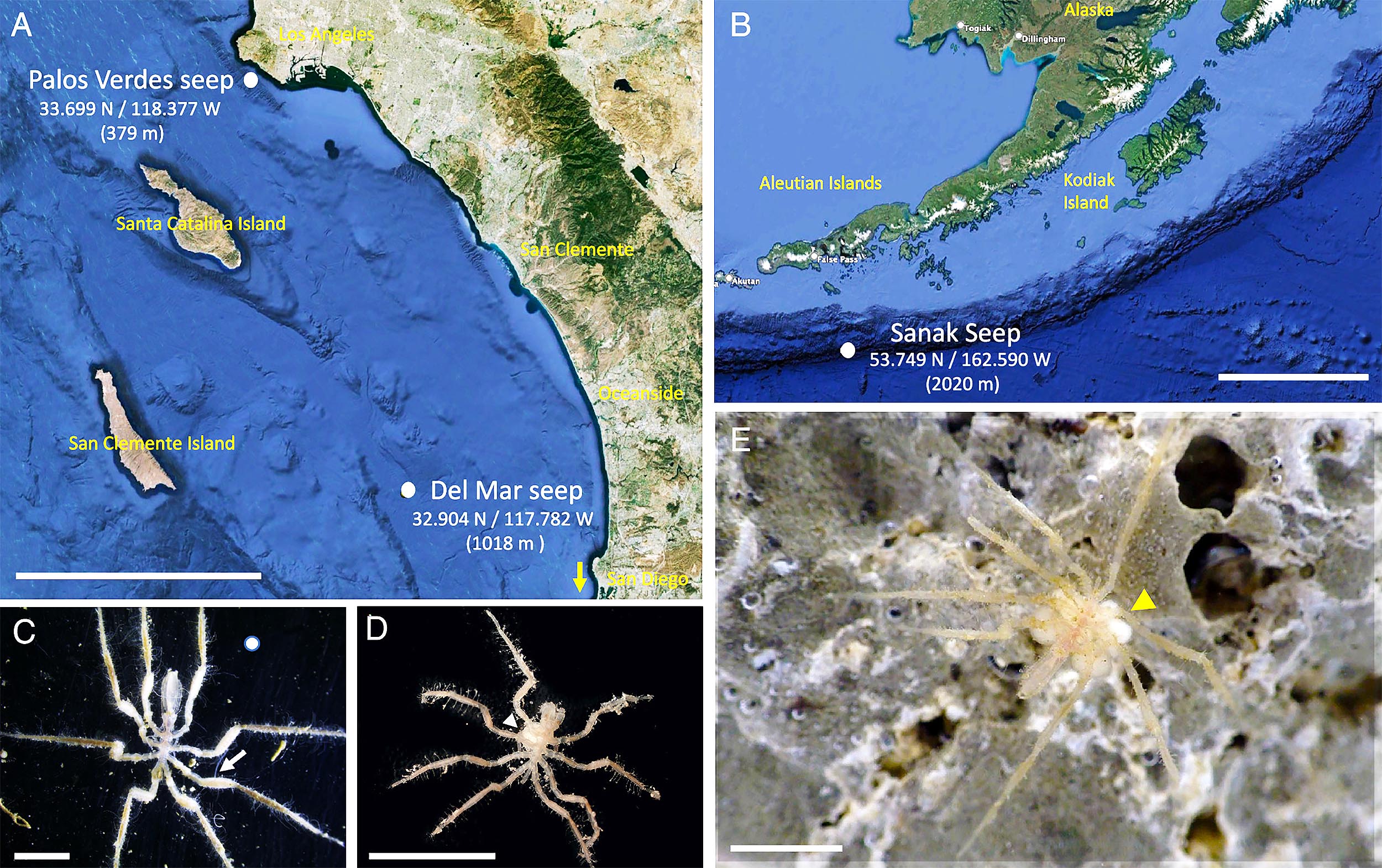
Scientists discover sea spiders in California that cultivate bacteria on their legs to feed on underwater methane gas.
Viewed by
You are the first to view
New study reveals surprising clues about the beginning of subduction on Earth - Phys.org
8/9/25 at 11:59am

Subduction, a crucial geological process on Earth, may have begun hundreds of millions of years earlier than traditionally believed.
Viewed by
You are the first to view
NASA and Japan’s XRISM Just Made an Unexpected Discovery in the Depths of Space - The Daily Galaxy
8/9/25 at 11:59am

NASA’s XRISM satellite reveals a cosmic mystery hiding for billions of years.
Viewed by
You are the first to view
Nature's hardest teeth: Chitons offer blueprint for advanced dental and industrial materials - Phys.org
8/9/25 at 11:59am

Researchers at the University of California, Irvine and Japan's Okayama and Toho universities have conducted a first-of-its-kind study to understand how chitons, mollusks that feed on algae growing on intertidal rocks, develop such hard, wear-resistant and ma…
Viewed by
You are the first to view
Direct visualization of quantum zero-point motion in complex molecule reveals eternal dance of atoms - Phys.org
8/9/25 at 11:59am

Most of us find it difficult to grasp the quantum world. According to Heisenberg's uncertainty principle, it's like observing a dance without being able to see simultaneously exactly where someone is dancing and how fast they're moving—you always must choose …
Viewed by
You are the first to view

Discovery of a new manta ray species in the Atlantic ocean could reshape conservation strategies and offer new hope for protecting these majestic marine giants.
Viewed by
You are the first to view
Louisiana fossils reveal mosasaur life before dinosaur-killing asteroid impact - Phys.org
8/9/25 at 11:59am

Millions of years before jazz filled New Orleans streets or fishing boats were harvesting shrimp in the Gulf, Louisiana was home to terrifying sea monsters, a tenacious mammal and a seismic cataclysm that reshaped life on Earth.
Viewed by
You are the first to view
Stone tool discovery could offer new clue in mystery of ancient ‘hobbit’ humans - CNN
8/8/25 at 5:38pm
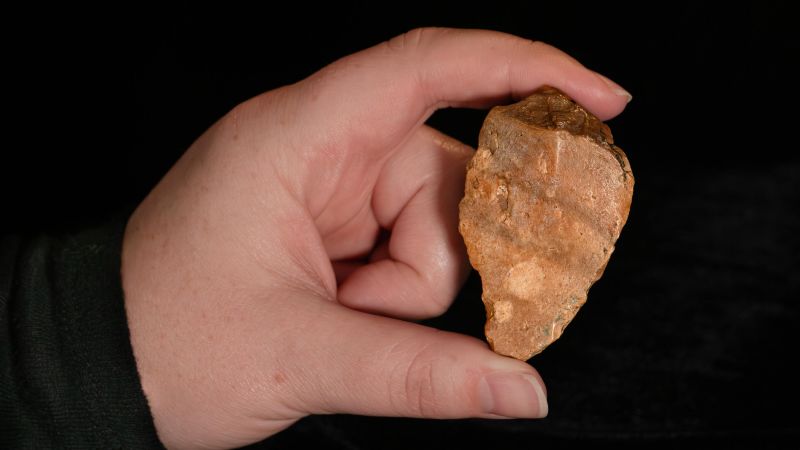
Ancient stone tools found on the Indonesian island of Sulawesi represent the oldest evidence for humans living there 1 million years ago.
Viewed by
You are the first to view
Identify bird calls like a pro with these bird ID apps - Live Science
8/9/25 at 11:59am

Ever wanted to be able to identify birds by their calls? Now you can with one of these best bird identification apps that we recommend.
Viewed by
You are the first to view

Astronomers have discovered a remarkably clumpy rotating galaxy that existed just 900 million years after the Big Bang, shedding new light on how galaxies grew and evolved in the early universe. Nicknamed the "Cosmic Grapes," the galaxy appears to be composed…
Viewed by
You are the first to view

On New Year's Day 1995, a monstrous 80-foot wave in the North Sea slammed into the Draupner oil platform. The wall of water crumpled steel railings and flung heavy equipment across the deck—but its biggest impact was what it left behind: hard data. It was the…
Viewed by
You are the first to view
NASA finds multi-billion-year-old 'coral' on Mars - Live Science
8/8/25 at 5:38pm
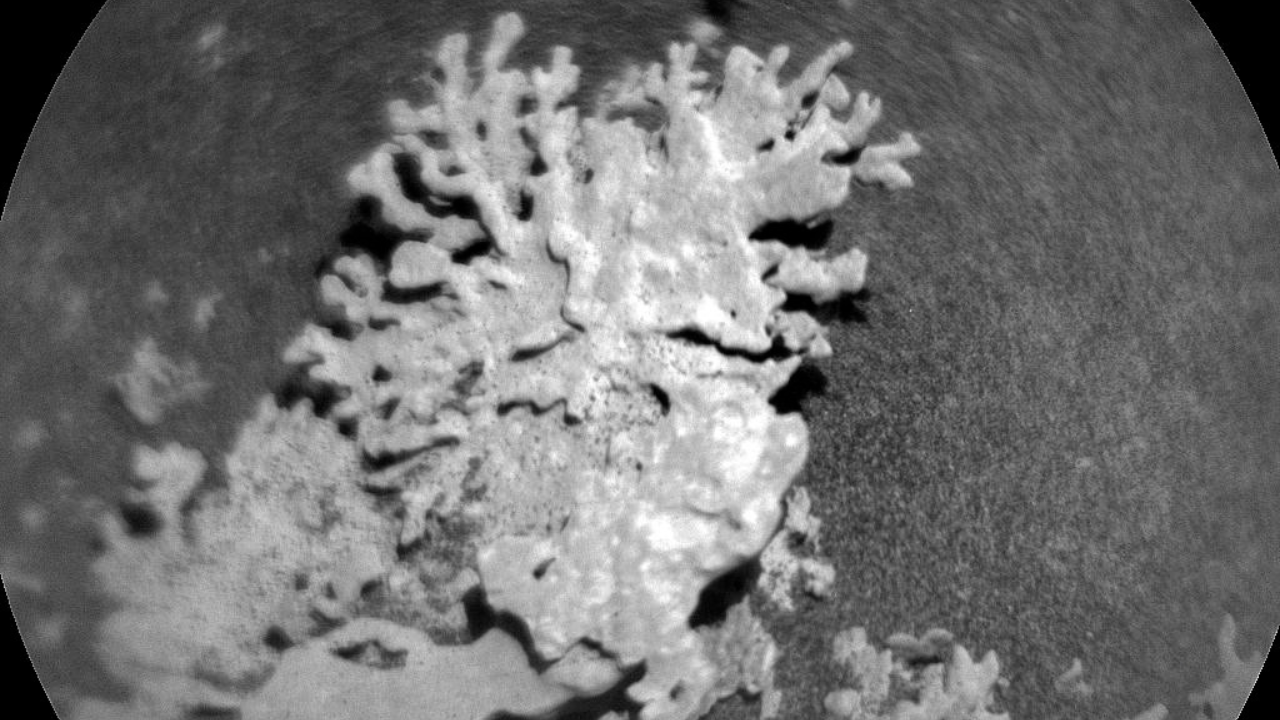
NASA's Curiosity rover has snapped black and white images of a rock on the Martian surface that looks remarkably like a piece of coral.
Viewed by
You are the first to view
3,000-year-old burial of elite teen unearthed in Iran, with gold jewelry and astonishing 'scorpion' cosmetics box - Live Science
8/9/25 at 11:59am
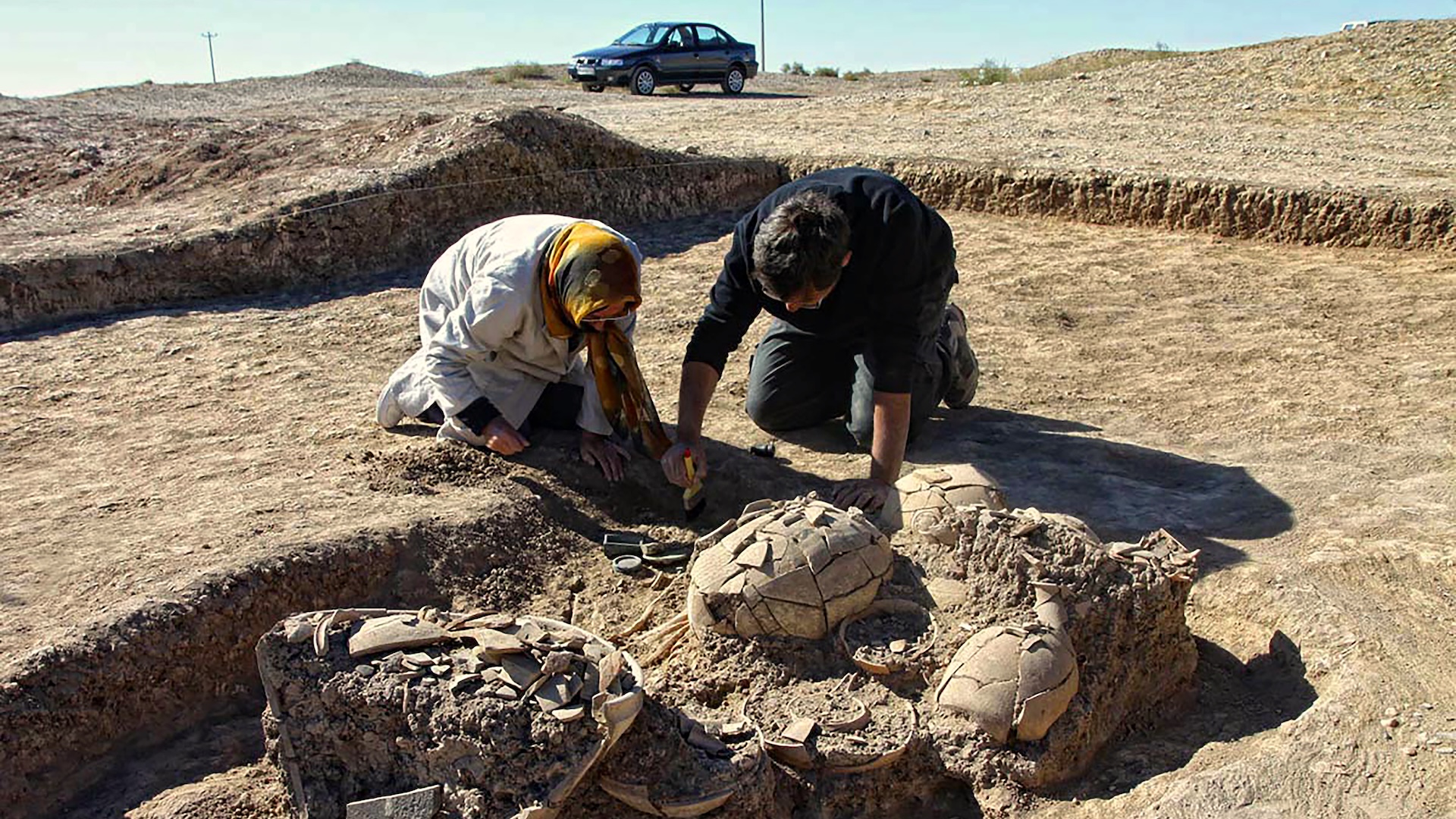
The extraordinary burial of a teenager buried with gold jewelry and a snake- and scorpion-decorated cosmetics box has been unearthed in Iran — and it may date to more than 3,000 years ago.
Viewed by
You are the first to view
Proposed spacecraft could carry up to 2,400 people on a one-way trip to the nearest star system, Alpha Centauri - Live Science
8/8/25 at 5:38pm
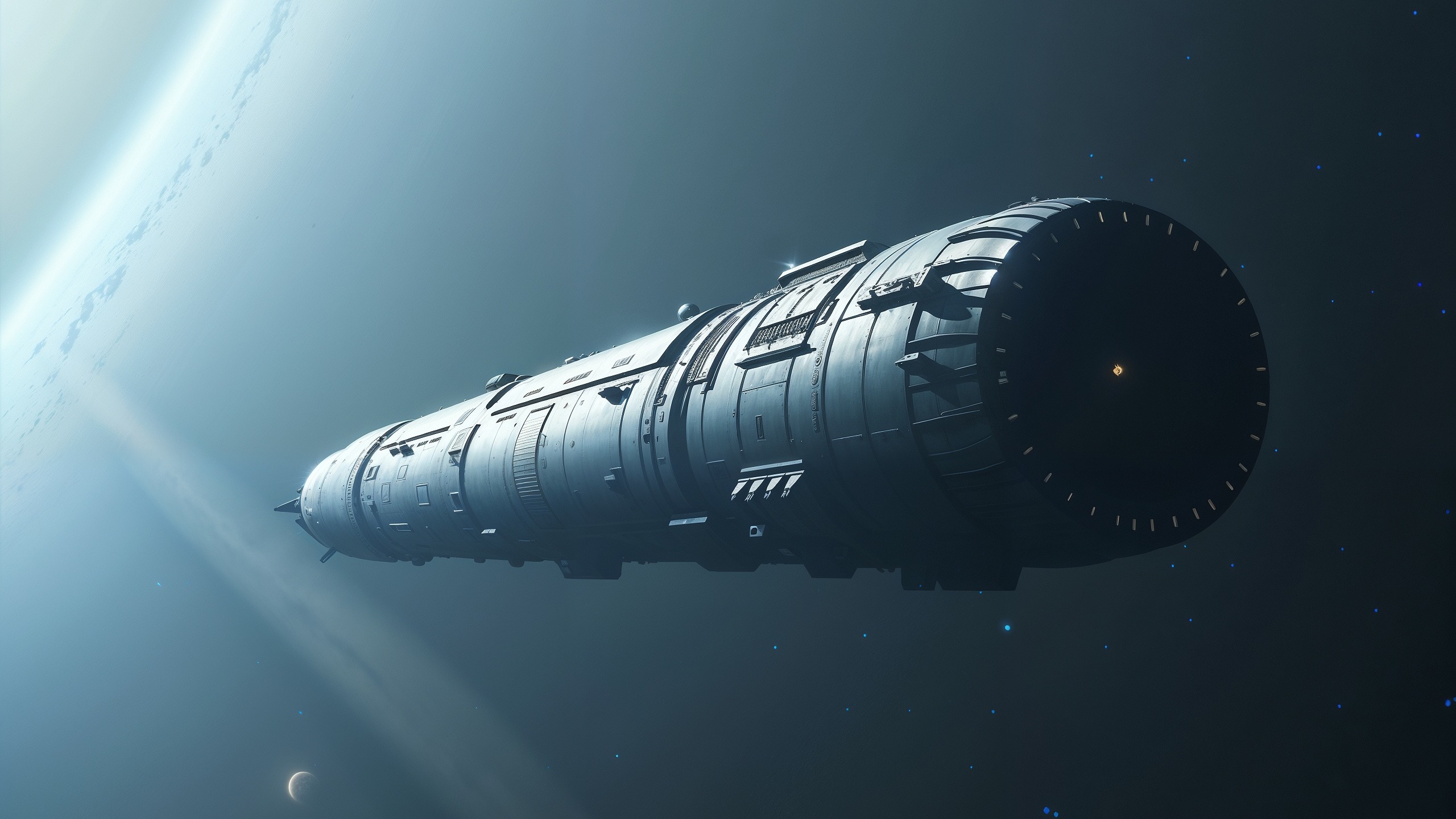
The design for a 36 mile long spacecraft, called Chrysalis, includes libraries, tropical forests and structural manufacturing facilities, all supported by artificial gravity.
Viewed by
You are the first to view
Astronomers Discover the Earliest Black Hole Ever Confirmed - Gizmodo
8/9/25 at 11:59am

The ancient behemoth was present just 500 million years after the Big Bang.
Viewed by
You are the first to view
Tarantula Species With Penis That Dwarfs Its Body Discovered By Stunned Scientists - The Daily Beast
8/9/25 at 11:59am

Researchers suspect these exaggerated organs evolved as a survival tactic, keeping males at a safer distance from their cannibalistic mates.
Viewed by
You are the first to view
NASA Supercomputers Reveal the Impact of Greenland’s Melting Glaciers on Marine Life - The Daily Galaxy
8/9/25 at 11:59am

NASA’s supercomputers reveal how Greenland’s most active glacier is triggering a threatening shift in ocean life.
Viewed by
You are the first to view
NASA's Perseverance Snaps One Of Sharpest 360° Panoramas On Mars Ever Taken - IFLScience
8/9/25 at 11:59am
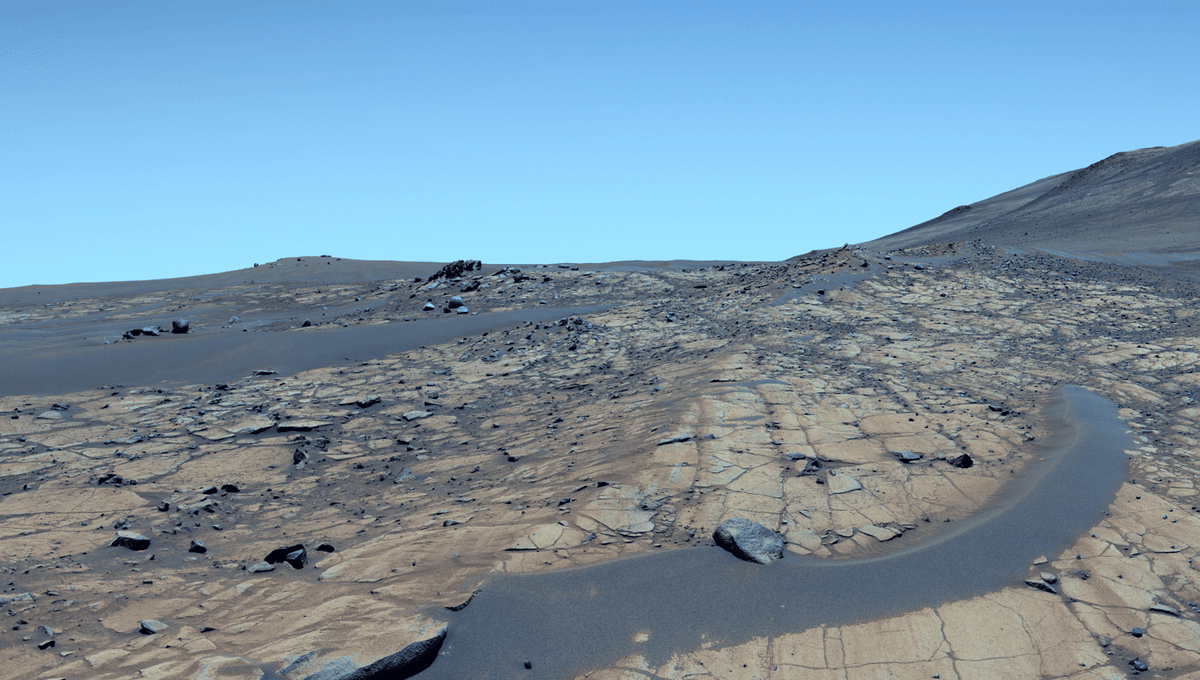
The image of Falbreen on Mars is a mosaic of 96 images taken by NASA’s Perseverance rover on May 26, 2025, that were carefully pieced together to create this 360° panoramic image.
Viewed by
You are the first to view