Just like in Jaws, this great white shark got stuck in a small pond. Here’s what happened next... - BBC Wildlife Magazine
2/23/26 at 3:49pm

When a great white shark got trapped in a shallow saltwater pond in Massachusets, Greg Skomal was called to help. Here’s how the experts tried to free her
Viewed by
You are the first to view
Scientists Simulated The Big Bang's Aftermath, And Found The Universe Was Like Soup - ScienceAlert
2/23/26 at 3:49pm
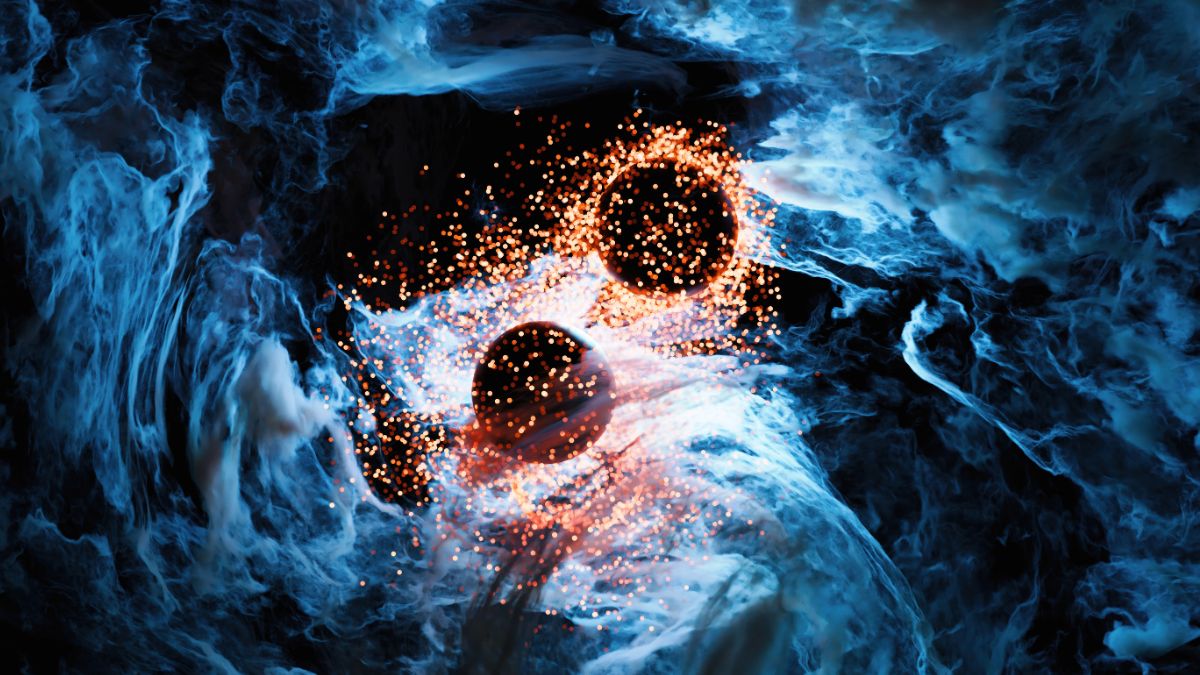
Immediately after the Big Bang boomed, the Universe was a trillion-degree 'soup' of unimaginably dense plasma.
Viewed by
You are the first to view
Miranda’s Unlikely Ocean Has Us Asking If There’s Life Clinging On Around Uranus - Hackaday
2/23/26 at 3:49pm
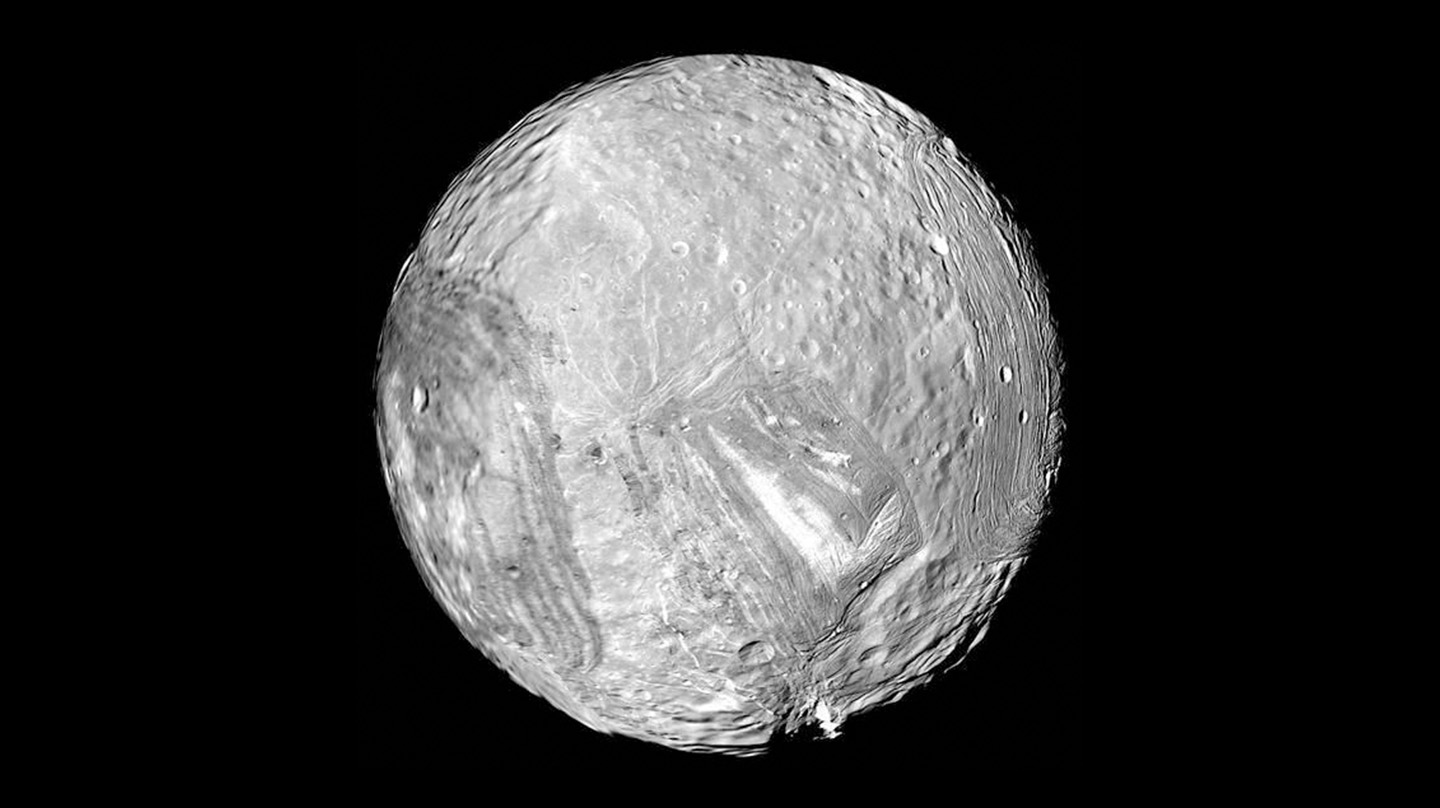
If you’re interested in extraterrestrial life, these past few years have given an embarrassment of places to look, even in our own solar system. Mars has been an obvious choice since before t…
Viewed by
You are the first to view
Scientists Suggest That Igniting Oil Spills to Create Fire Tornadoes Might Actually Be Good for the Oceans - Futurism
2/23/26 at 3:49pm
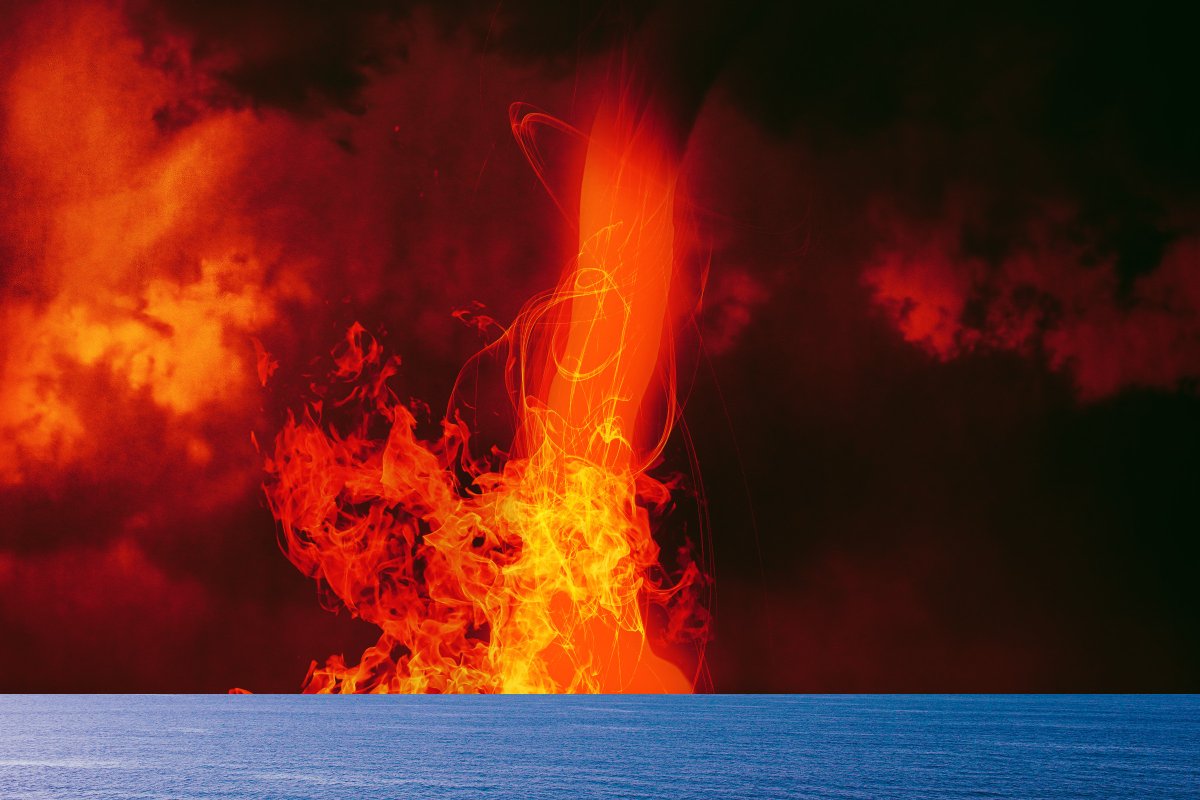
A bold new experiment probed whether controlled fire tornadoes could be an effective tool for cleaning up oil spills.
Viewed by
You are the first to view
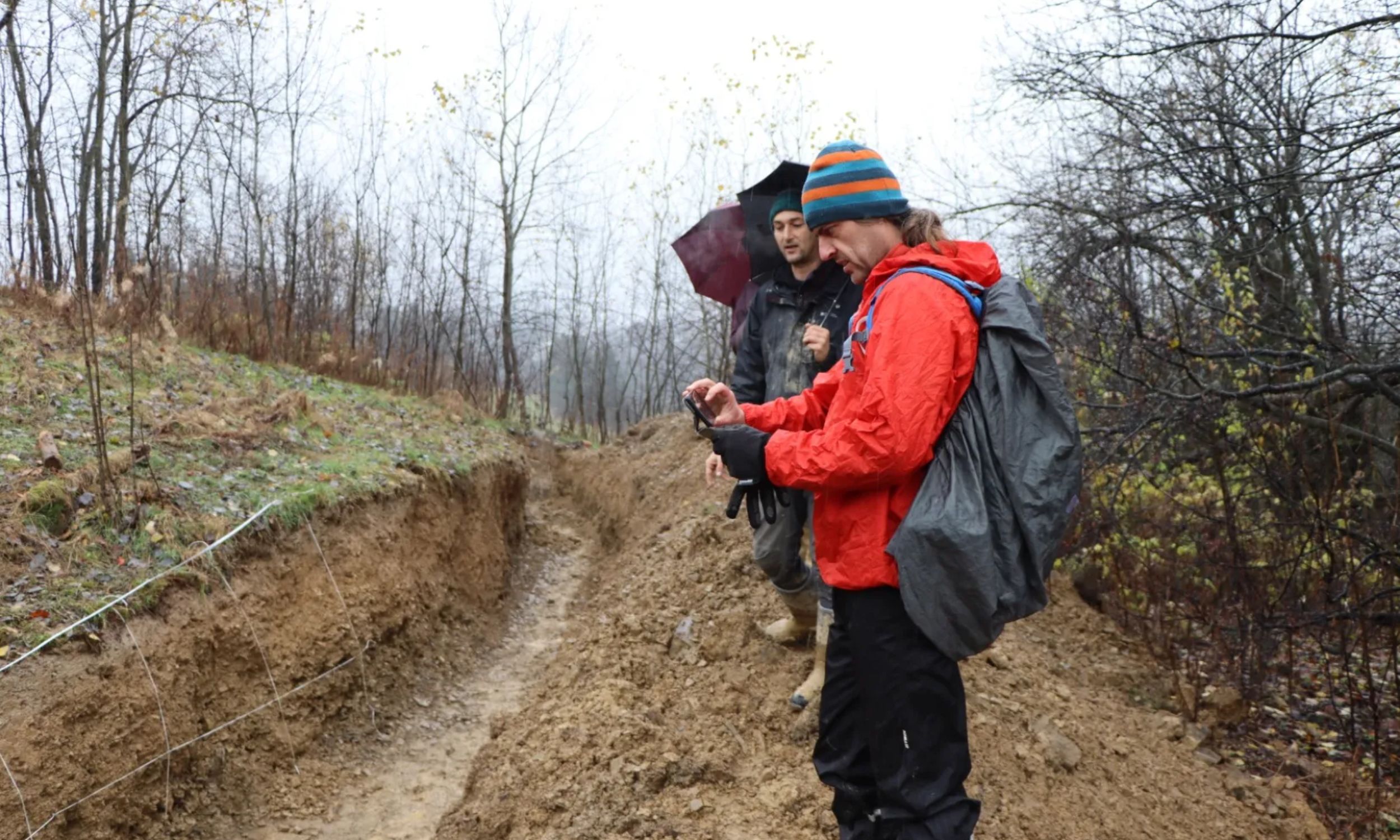
Scientists find seismic scars in Brzegi, Poland and warn that the actual risk from an unknown fault line is much greater than believed.
Viewed by
You are the first to view

An international team of astronomers has discovered a distant planetary system that challenges long-standing theories of how planets form. Across our galaxy, astronomers routinely observe a characteristic pattern in planetary systems: rocky planets orbiting c…
Viewed by
You are the first to view
This Ocean Is Losing Salt at Unprecedented Speed, And It Might Just Turn Our Climate Plans Upside Down - The Daily Galaxy
2/23/26 at 3:49pm

An unexpected change is sweeping through one of the world’s largest oceans, a shift that scientists are describing as “astonishing.”
Viewed by
You are the first to view
Scientists Discover Fossils of a Dagger-Toothed Sea Monster in Morocco That Ruled the Oceans Before the Asteroid Hit - The Daily Galaxy
2/23/26 at 3:49pm

A remarkable fossil found in Morocco shows that Late Cretaceous oceans were filled with giant predators unlike today’s marine ecosystems.
Viewed by
You are the first to view
Cosmologists collaborate to sharpen measurements of the Hubble constant - Phys.org
2/23/26 at 3:49pm

Drawing together leading experts from across the field, an international collaboration of cosmologists has created a unified approach for measuring the value of the Hubble constant. Published in Astronomy & Astrophysics, the milestone could bring us a step cl…
Viewed by
You are the first to view
This Week In Space podcast: Episode 198 — A Dragonfly on Titan - Space
2/23/26 at 3:49pm
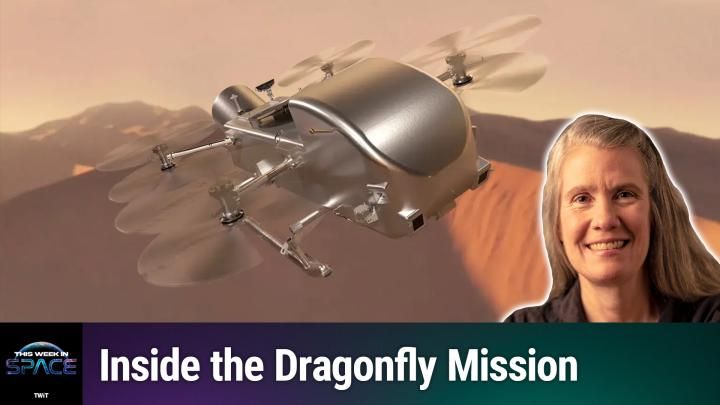
Inside the Dragonfly Mission
Viewed by
You are the first to view
'Thermodynamic computer' can mimic AI neural networks — using orders of magnitude less energy to generate images - Live Science
2/23/26 at 3:49pm

Researchers generated images from noise, using orders of magnitude less energy than current generative AI models require.
Viewed by
You are the first to view
One of the Most Powerful Cosmic Rays Ever Detected May Have Come from This Nearby Starburst Galaxy - The Daily Galaxy
2/23/26 at 3:49pm

This ultra-rare cosmic ray hit earth with 40 million times the lhc’s energy. Now scientists think they know where it came from.
Viewed by
You are the first to view
What's the point of a space station around the moon? - Space
2/23/26 at 3:49pm
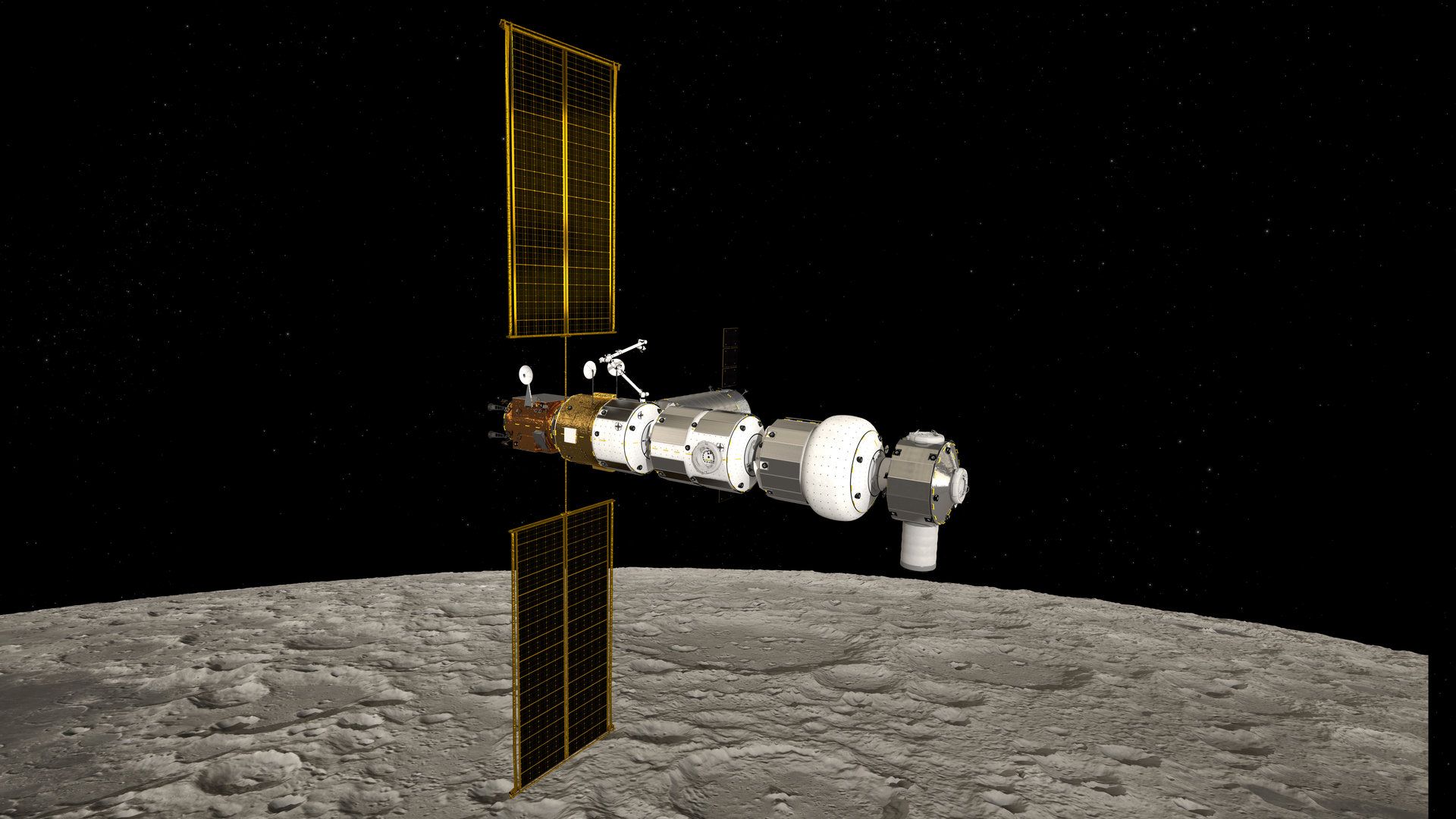
Is an orbiting space station necessary to achieve lunar objectives, including scientific ones?
Viewed by
You are the first to view

Researchers used three different methods to date the site, challenging the preexisting notion of the site being between 1.2 and 1.6 million years old.
Viewed by
You are the first to view
Saturday Citations: A virus that makes its own proteins; a new Spinosaurus; exercise beats anxiety - Phys.org
2/23/26 at 3:49pm

This week in the scientific process: researchers reported the first-ever shark sighted in Antarctic waters. Penguins beware! Biologists report that honey bees navigate more precisely than previously thought. And not all humans scare wildlife, it turns out.
Viewed by
You are the first to view
Upper West Side Meltdown: All That the Ice Leaves Behind - West Side Rag
2/23/26 at 3:49pm

Photo by Yvonne Vávra. by Yvonne Vávra One by one, they’re disappearing. The ice banks that rose after last month’s
Viewed by
You are the first to view
Six planets will line up Saturday night - MyNorthwest.com
2/23/26 at 3:49pm

Don't miss the chance to see six planets will line up in the night sky this Saturday.
Viewed by
You are the first to view
Dinosaur eggshells can reveal the age of other fossils - Ars Technica
2/23/26 at 3:49pm
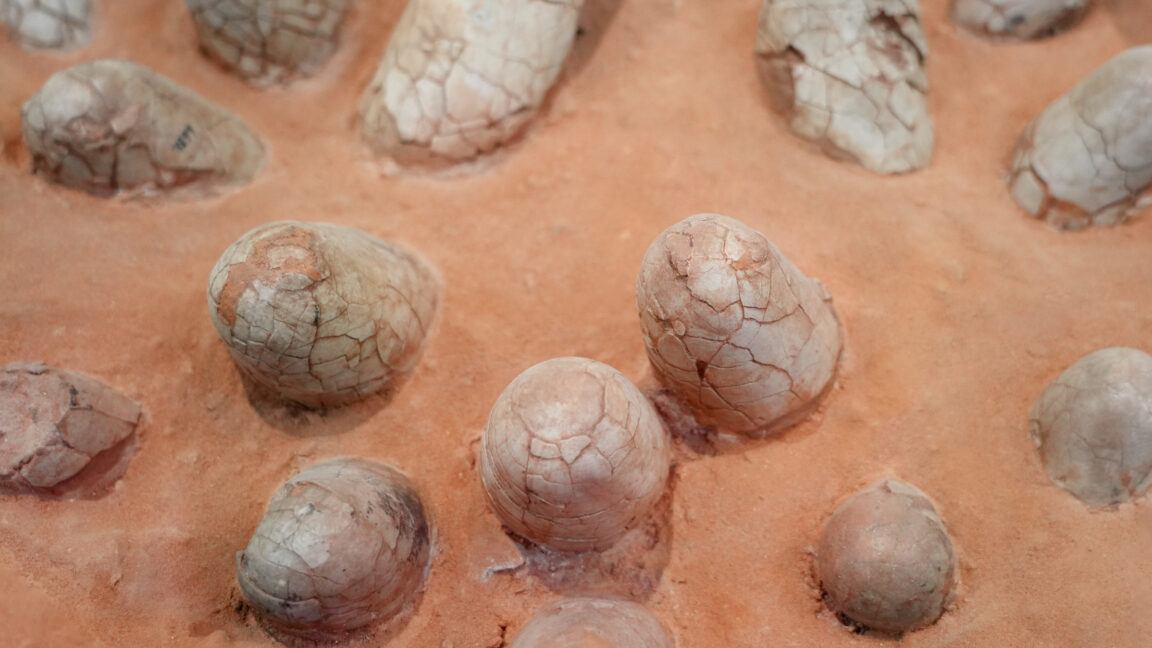
Like rocks, egg shells can trap isotopes, allowing us to use them to date samples.
Viewed by
You are the first to view
Scientists Discover 290-Million-Year-Old Vomit Fossil, and It’s Older Than Dinosaurs! - The Daily Galaxy
2/23/26 at 3:49pm

In the depths of Germany, a 290-million-year-old fossilized vomit has just revealed an unexpected story of life long before dinosaurs.
Viewed by
You are the first to view

Scientists may have spotted a long-sought triplet superconductor — a material that can transmit both electricity and electron spin with zero resistance. That ability could dramatically stabilize quantum computers while slashing their energy use. Early experim…
Viewed by
You are the first to view
This Extreme Radiation-Resistant Organism Evolved a Remarkable Ability - ScienceAlert
2/23/26 at 3:49pm
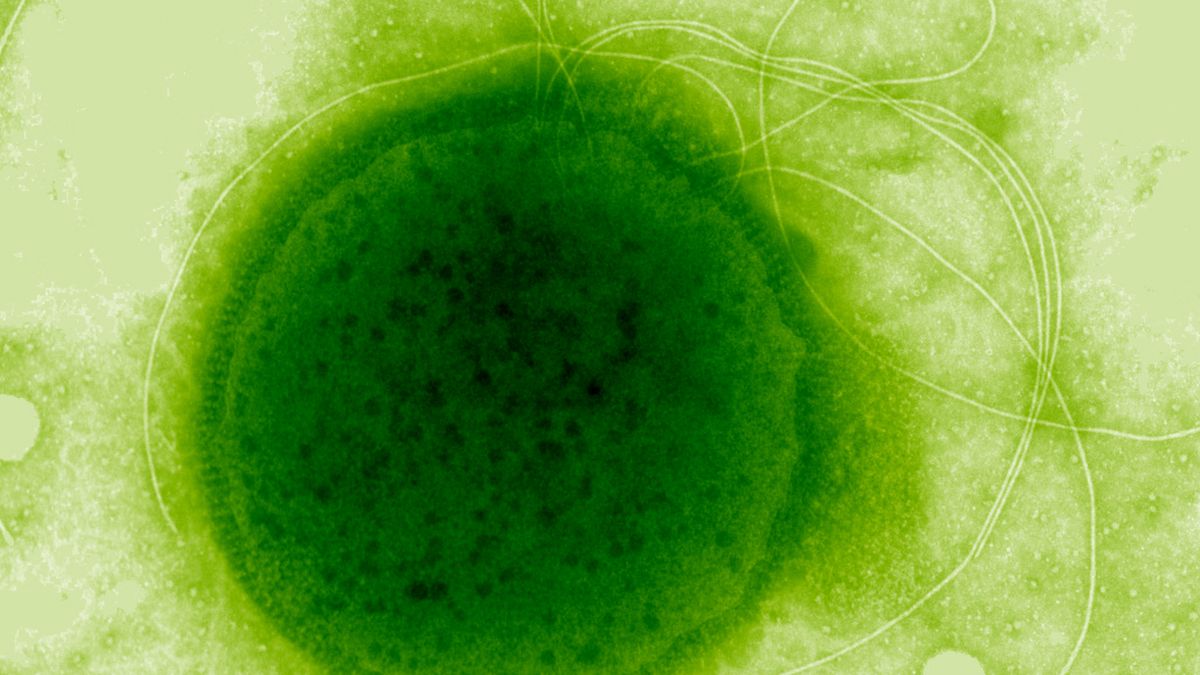
In places like Chernobyl and Fukushima, where nuclear disasters have flooded the environment with dangerous radiation, it makes sense that life might evolve ways to survive it.
Viewed by
You are the first to view
The Milky Way may be hiding a big secret at its heart: an extremely magnetic dead star - Space
2/23/26 at 3:49pm
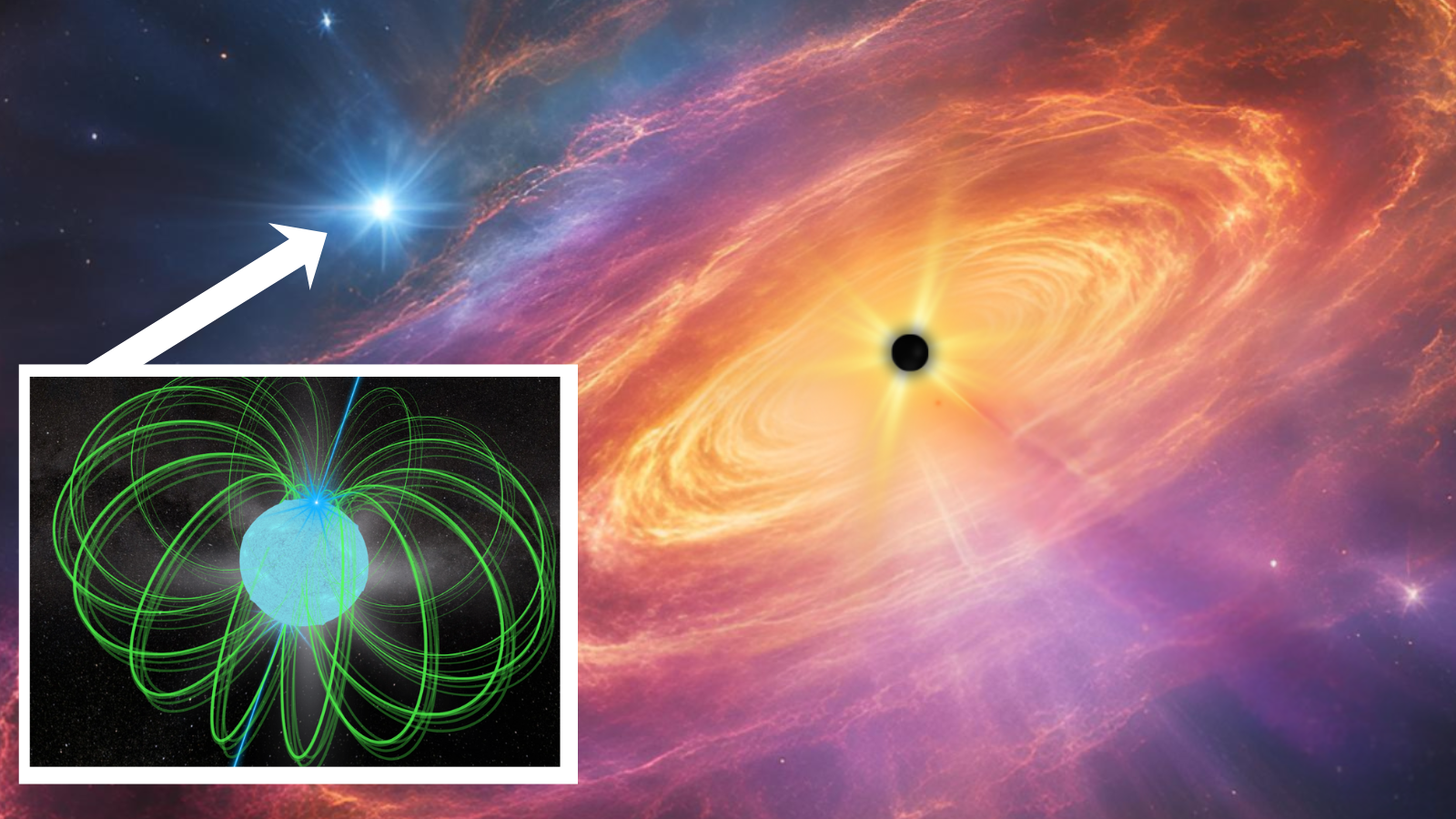
"If confirmed, it could help us better understand both our own galaxy and general relativity as a whole."
Viewed by
You are the first to view
This Geologist Found 2.6 Billion-Year-Old Water Deep Below Earth. Did She Drink It? No, Here’s Why - IFLScience
2/23/26 at 3:49pm
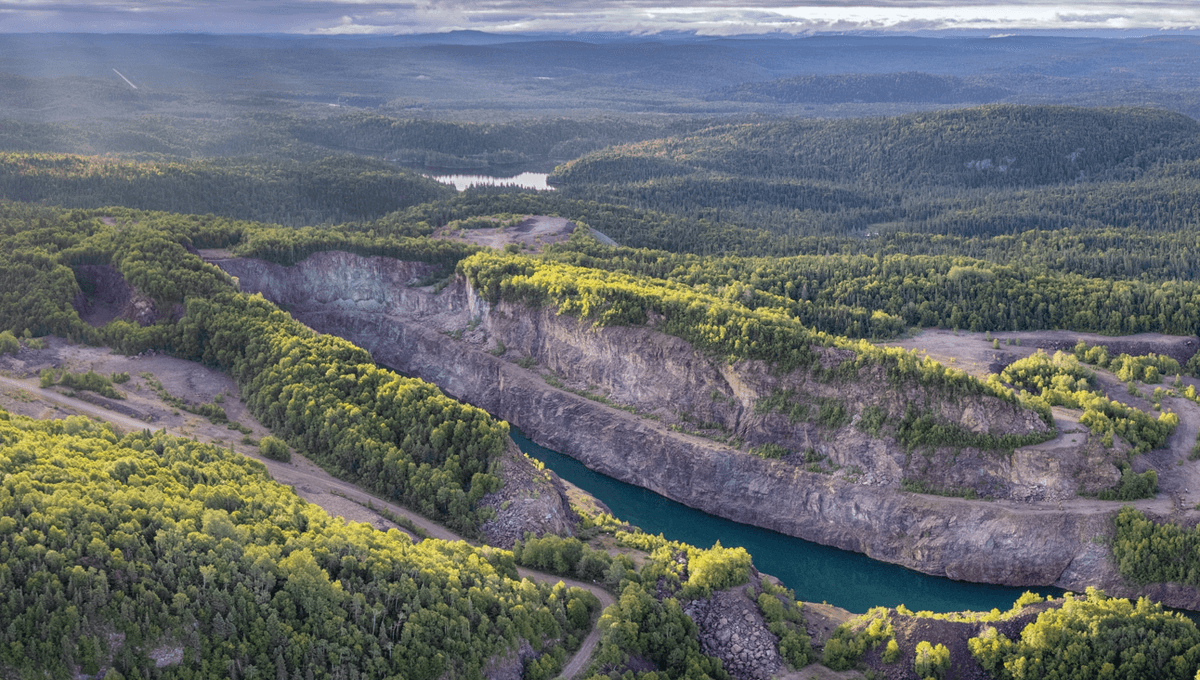
But this is why they didn't drink it.
Viewed by
You are the first to view
70-million-year-old dinosaur egg found in South America might hold a baby and reveal how dinosaurs raised - The Times of India
2/23/26 at 3:49pm
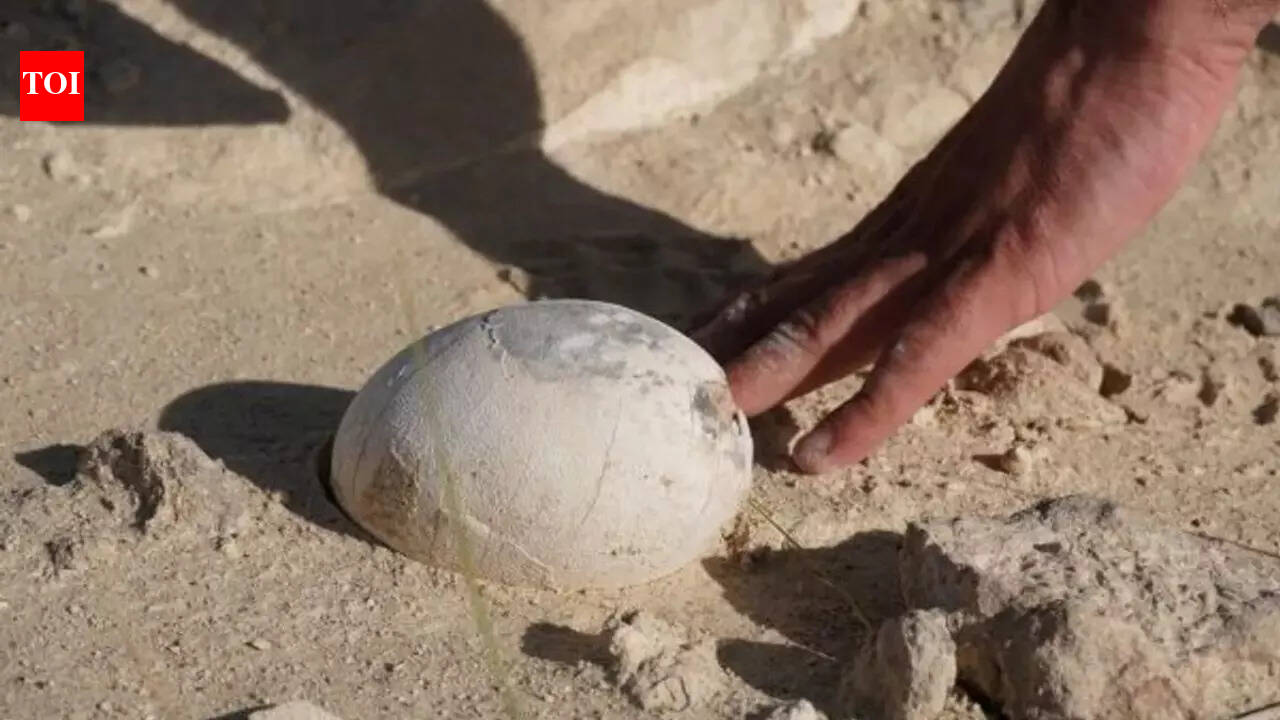
Science News: A fossilised dinosaur egg was uncovered in South America, and scientists are calling it a remarkable discovery. The egg is estimated to be around 70 m.
Viewed by
You are the first to view
After fueling test, optimism grows for March launch of Artemis II to the Moon - Ars Technica
2/22/26 at 10:35am
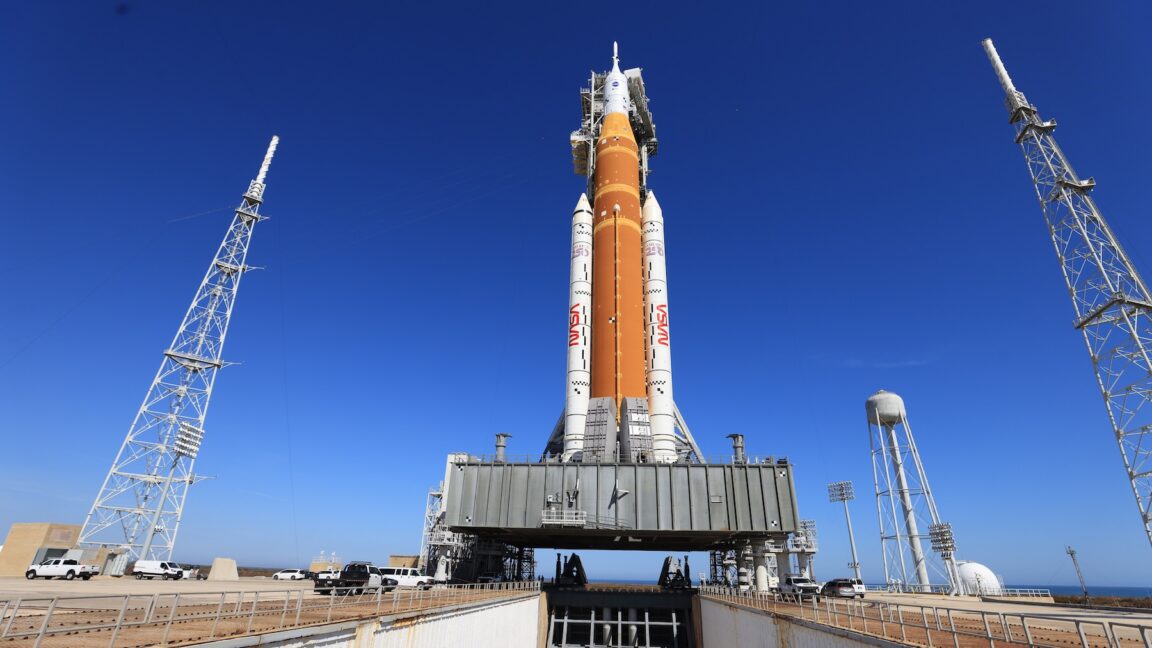
“We’re now targeting March 6 as our earliest launch attempt ... there is still pending work."
Viewed by
You are the first to view