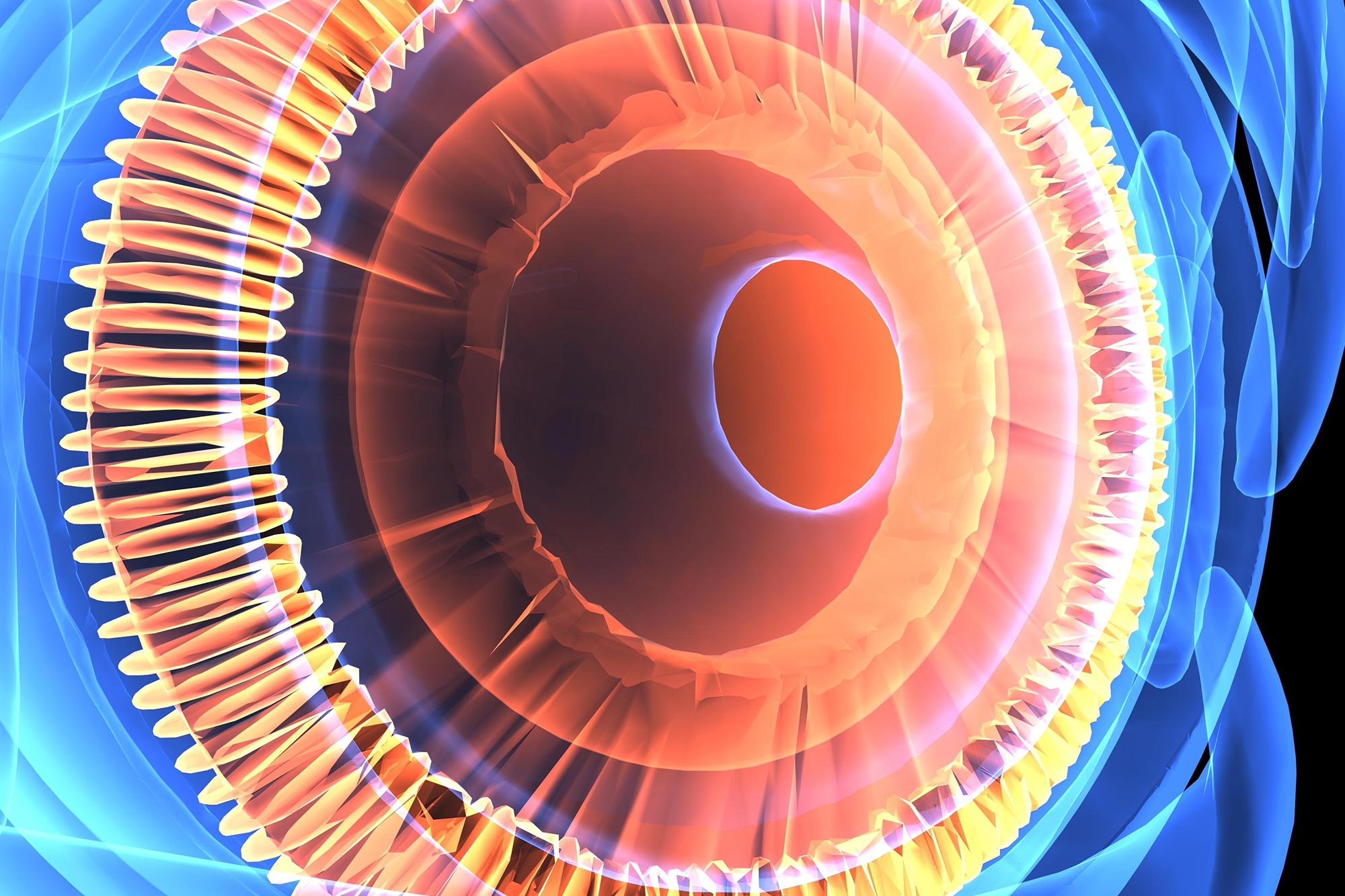
A newly discovered visual cell in deep-sea fish larvae is reshaping long-held assumptions about how vertebrates see the world.
Viewed by
You are the first to view
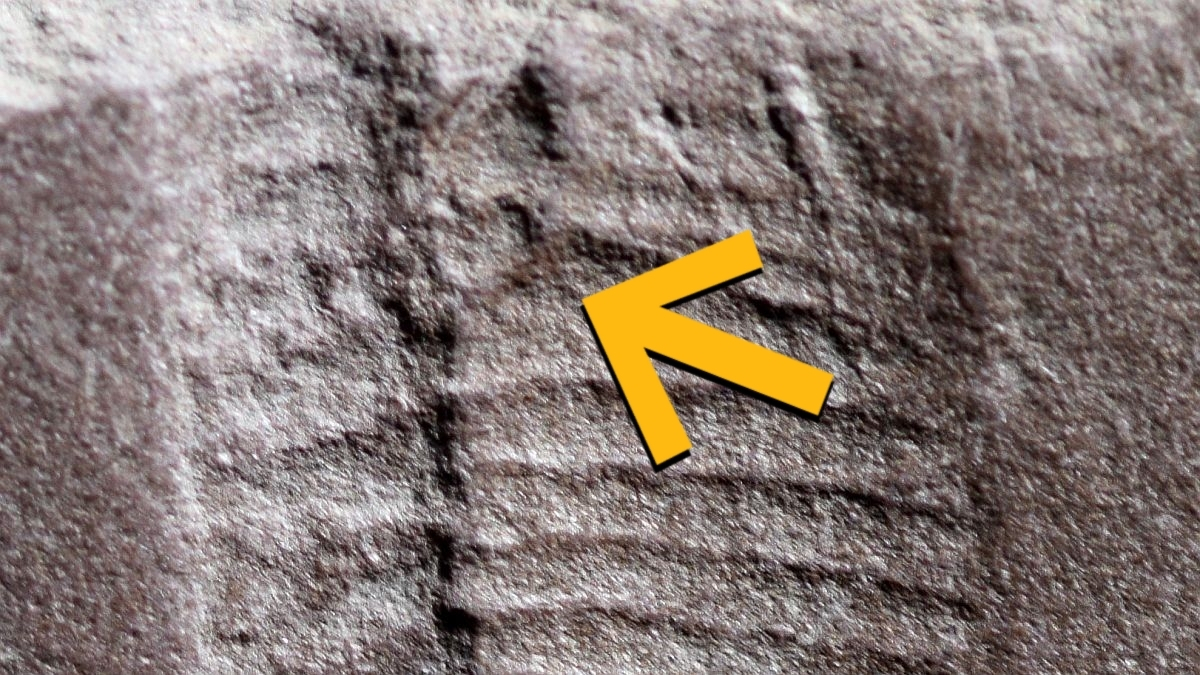
Once, long ago, a little reptile going about its business plopped itself down in the mud before getting up and carrying on with its day.
Viewed by
You are the first to view
NASA Officially Classifies Boeing Starliner Failure As A Maximum-Level Type A Mishap - Jalopnik
2/25/26 at 4:05am
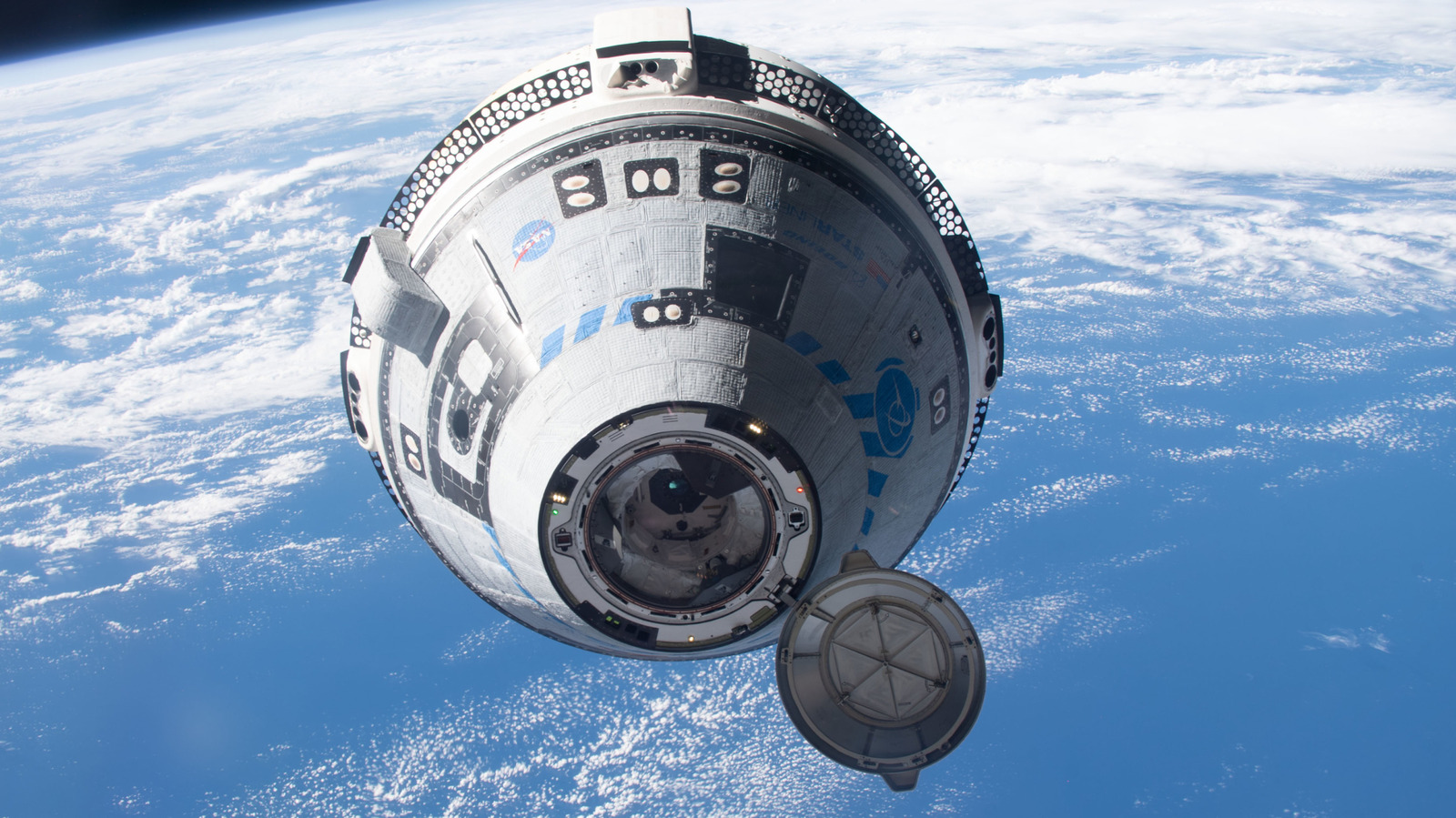
Despite it all, NASA doesn't want to give up on Boeing, and the Starliner project is moving ahead in a reduced capacity.
Viewed by
You are the first to view
250 million-year-old amphibian fossils from Australia reveal global spread of ‘sea-salamanders’ - The Conversation
2/25/26 at 4:05am

The strange fossils were lost in museum collections around the world for some 50 years.
Viewed by
You are the first to view
Scientists think they know how T. rex ate enough calories to grow so large - Earth.com
2/25/26 at 4:05am
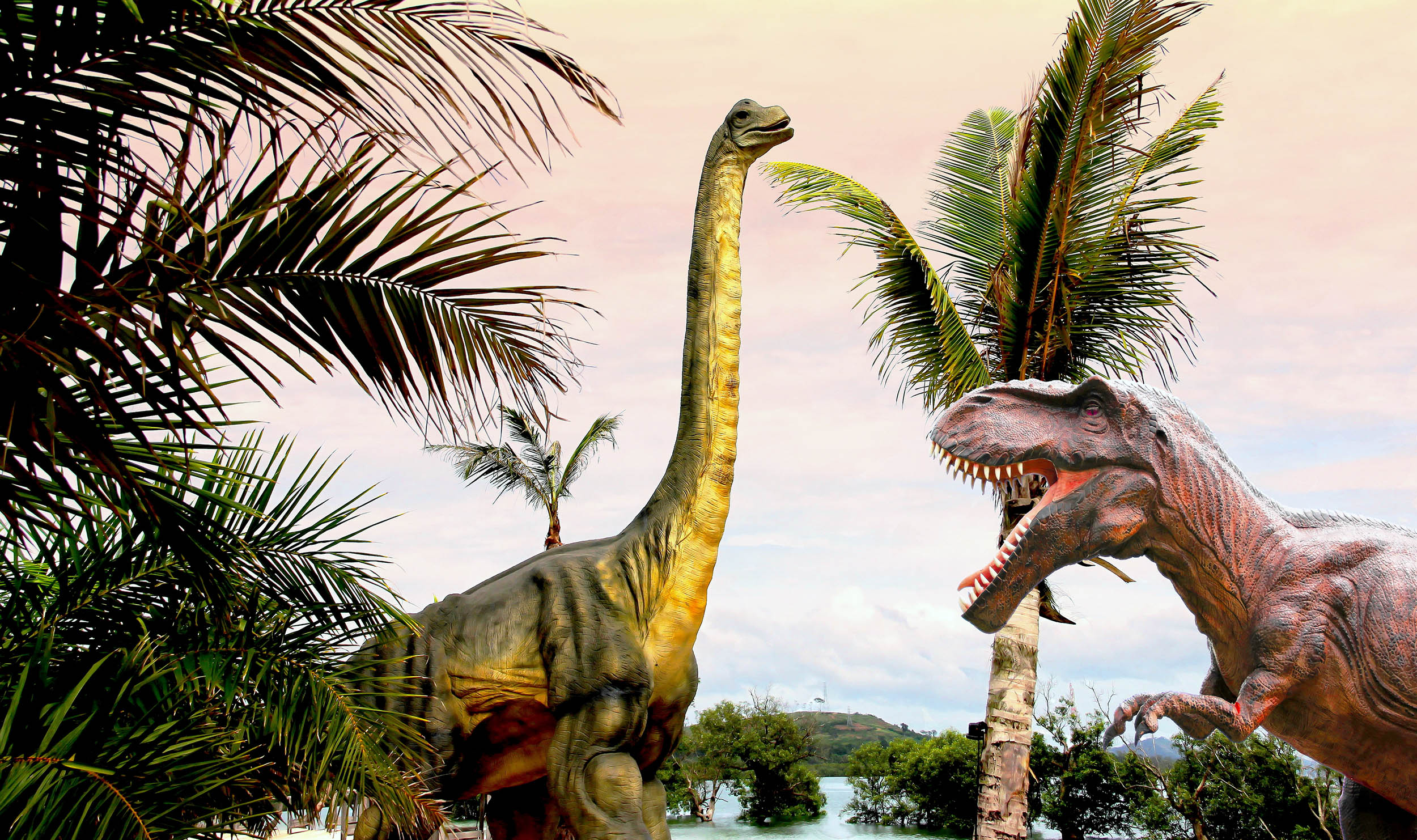
Fossils reveal that long-necked baby dinosaurs were the main food source for large, voracious Jurassic predators.
Viewed by
You are the first to view
US river seems to defy gravity as it flows uphill and through mountains for roughly 100 miles - Earth.com
2/25/26 at 4:05am
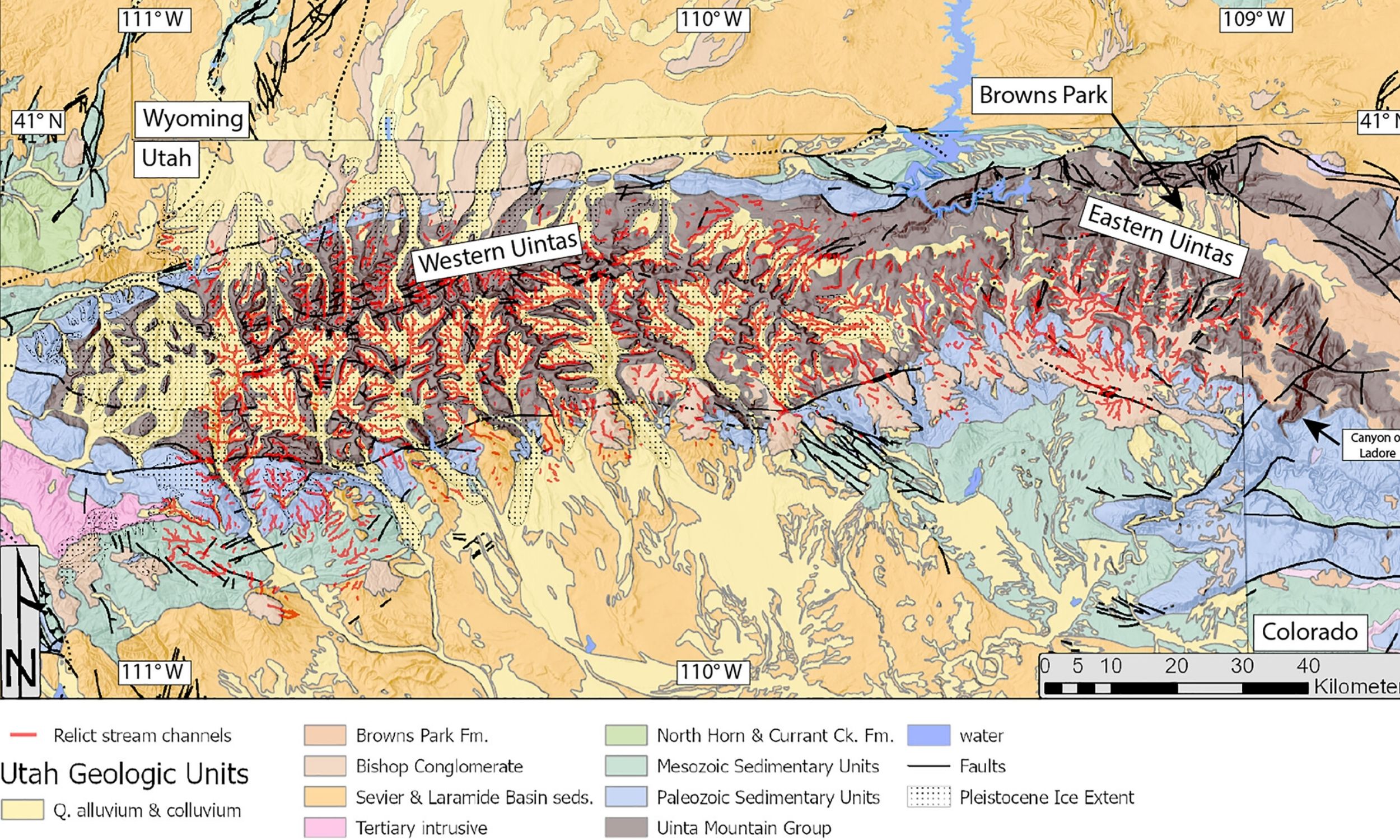
The Green River defies gravity: it flows through 99 miles of mountains thanks to movements hidden beneath the surface.
Viewed by
You are the first to view
Scientists discover a completely new life form wreaking havoc on deep-sea sharks - Earth.com
2/25/26 at 4:05am
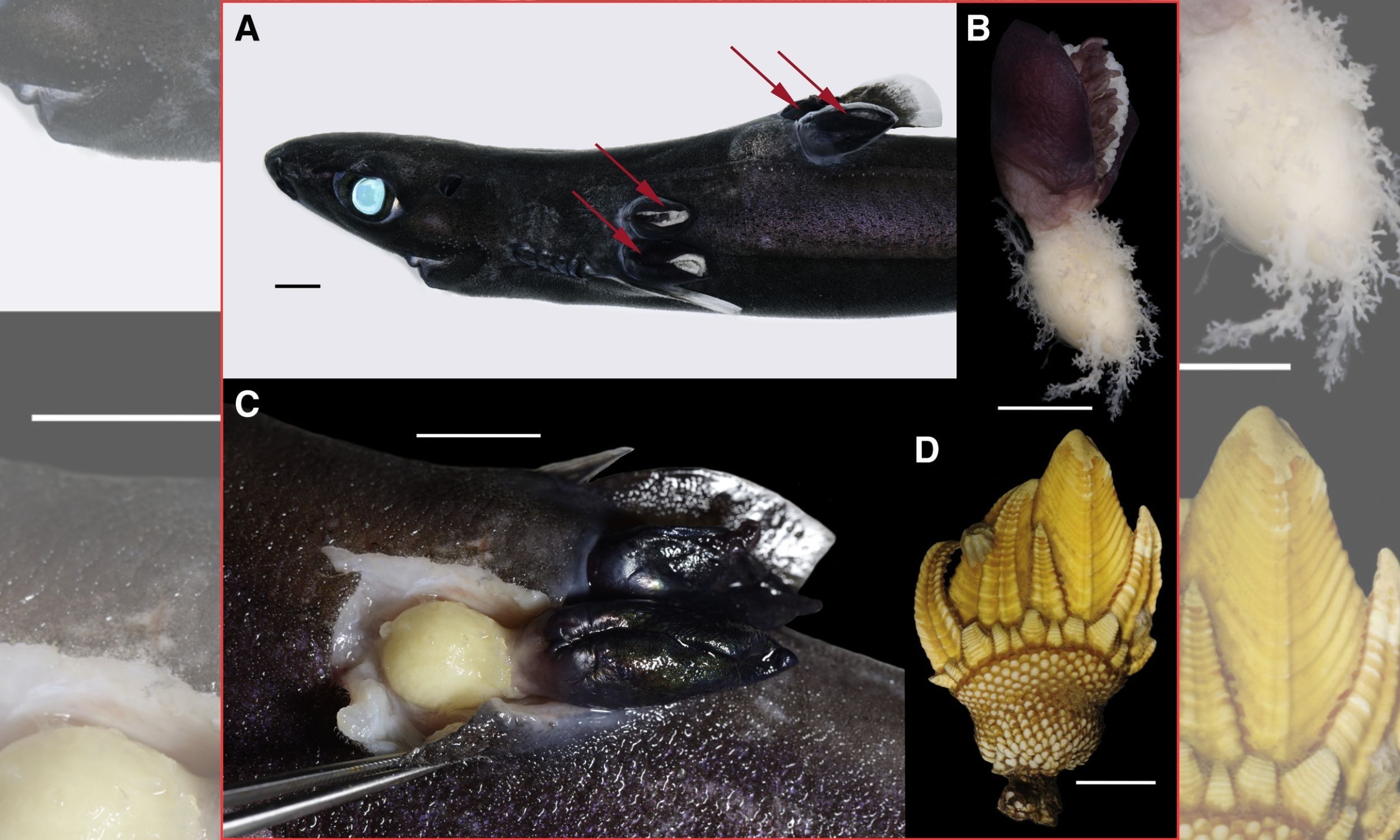
A barnacle evolved into a parasite and drills into sharks in the deep waters of Norway to feed and survive in silence.
Viewed by
You are the first to view
Mars’ Missing Water Mystery Takes an Unexpected Turn - SciTechDaily
2/25/26 at 4:05am
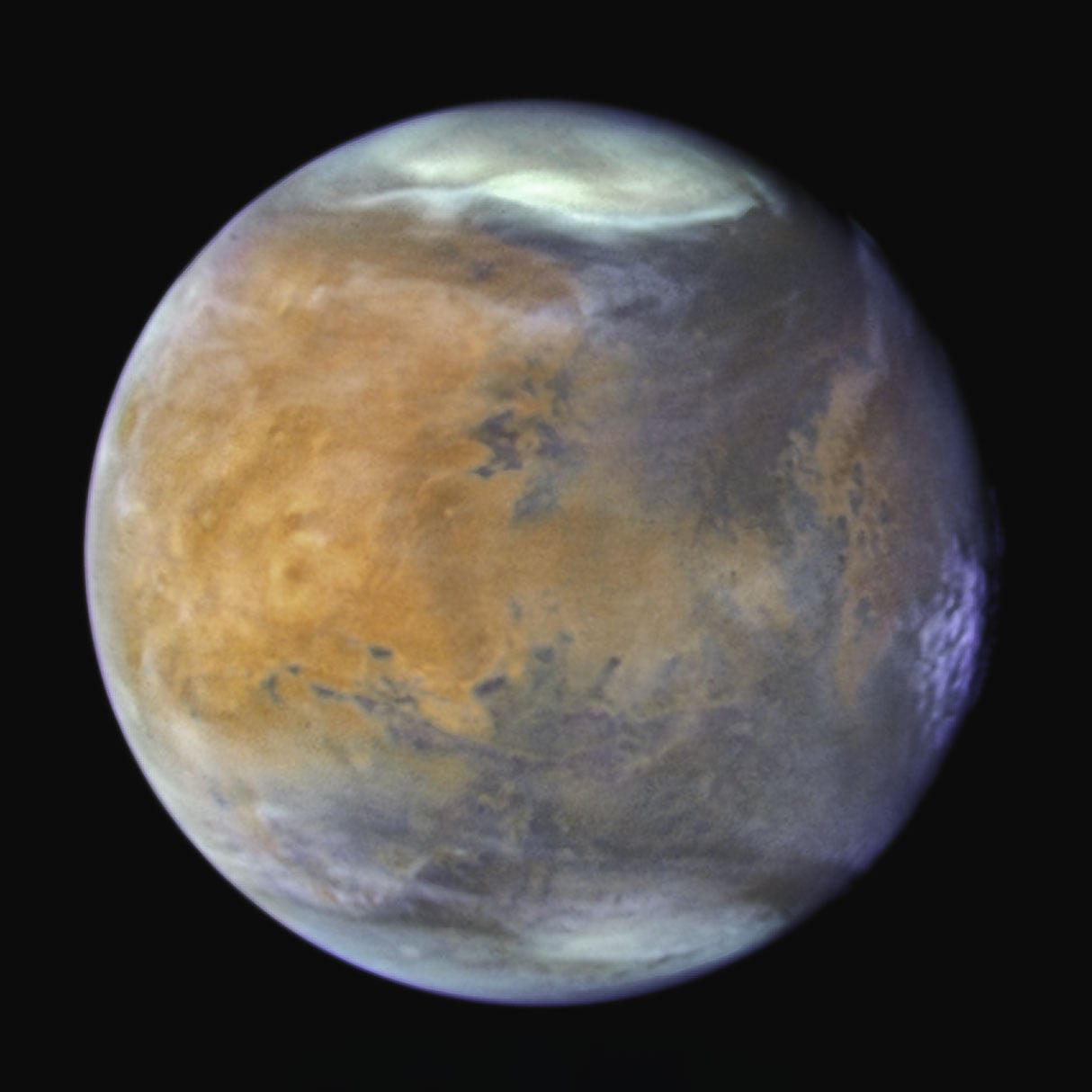
New research shows that an intense regional dust storm transported unusually high amounts of water vapor into Mars’ upper atmosphere, boosting hydrogen escape. The discovery reshapes understanding of how the planet gradually lost its water. Today, Mars is kno…
Viewed by
You are the first to view
How to improve the performance of qubits: Super-fast fluctuation detection achieved - Phys.org
2/25/26 at 4:05am

Using commercially available technology and innovative methods, researchers at NBI have pushed the limits of how fast you can detect changes in the sensitive quantum states in the qubit. Their work allows researchers to follow rapid changes in qubit performan…
Viewed by
You are the first to view
Language barriers slow down the international diffusion of knowledge, study finds - Phys.org
2/25/26 at 4:05am

Rapid technological and scientific advances have fueled a huge wave of innovation over the past decades. The speed of global innovation is known to be dependent on the exchange of knowledge and skills between different nations worldwide.
Viewed by
You are the first to view
Life May Have Started as Sticky Goo, Long Before Cells Even Existed - ScienceAlert
2/25/26 at 4:05am
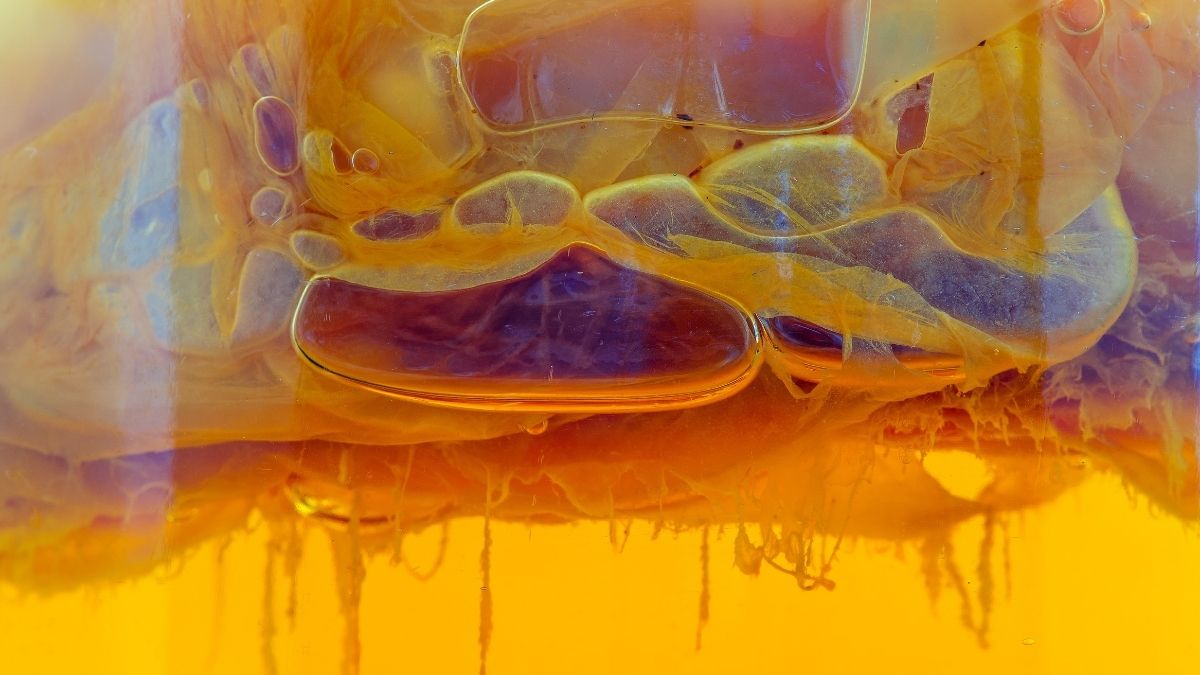
Scientists have many theories about how Earth's raw materials turned into living cells, but a new proposal is particularly slimy.
Viewed by
You are the first to view

Tiny aerosol particles in the air play a big role in regulating how much sunlight our planet absorbs or reflects, and how clouds form above us. In a recent study, researchers found that extreme heat waves can trigger new particle formation (NPF), even at temp…
Viewed by
You are the first to view
Antarctica’s Gravity Hole Growing Stronger, Scientists Find - Futurism
2/25/26 at 4:05am
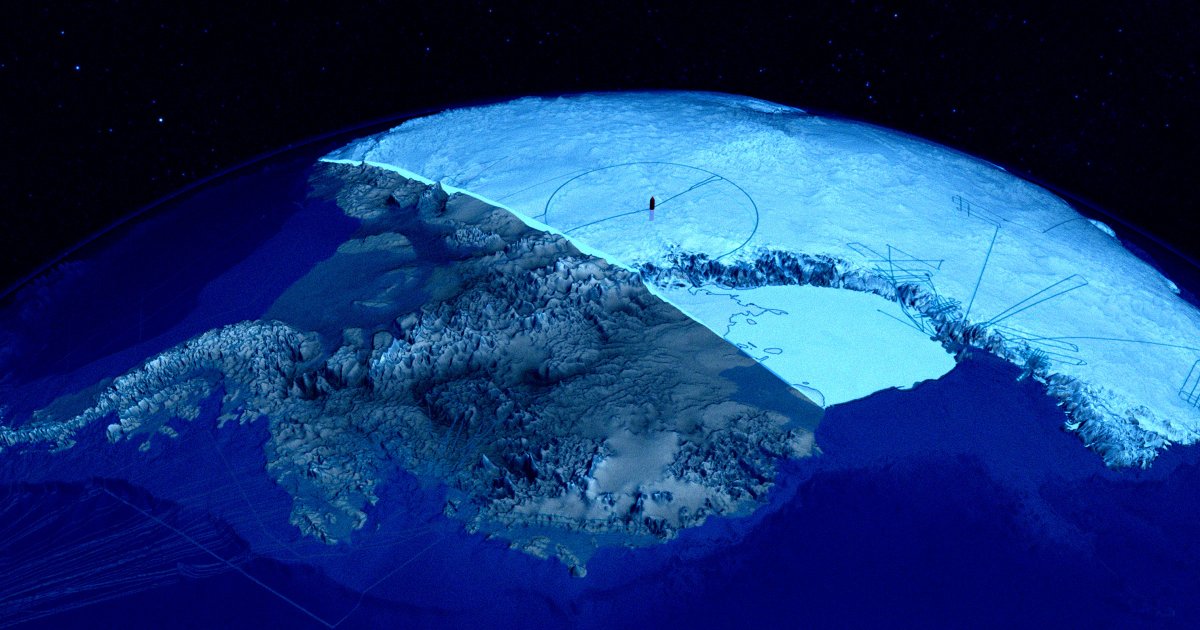
Scientists found that rock movements under Antarctica are correlated to major changes in Antarctica's climate over millions of years.
Viewed by
You are the first to view
5,000-year-old bureaucracy: Over 7,000 prehistoric seal impressions uncovered in western Iran - Phys.org
2/25/26 at 4:05am

In the journal Antiquity, Dr. Shokouh Khosravi published preliminary findings of the largest known corpus of prehistoric seal impressions in the entire ancient world. The corpus, made up of over 7,000 seal impressions, more than 200 clay figurines, clay token…
Viewed by
You are the first to view
Quantum reservoir computing peaks at the edge of many-body chaos, study suggests - Phys.org
2/25/26 at 4:05am

Reservoir computing is a promising machine learning-based approach for the analysis of data that changes over time, such as weather patterns, recorded speech or stock market trends. Classical reservoir computing techniques are known to perform best at the "ed…
Viewed by
You are the first to view
Meet The 1.5-Million-Year-Old ‘Ghost’ In Your Genes. Hint: We’ve Haven’t Found Its Fossils Yet - Forbes
2/25/26 at 4:05am

New genomic research suggests our species descended from a deep fusion between two ancient lineages — one of them a mysterious “ghost.”
Viewed by
You are the first to view
Scientists spot 'rule-breaking' black hole growing 13 times faster than should be possible - Live Science
2/25/26 at 4:05am
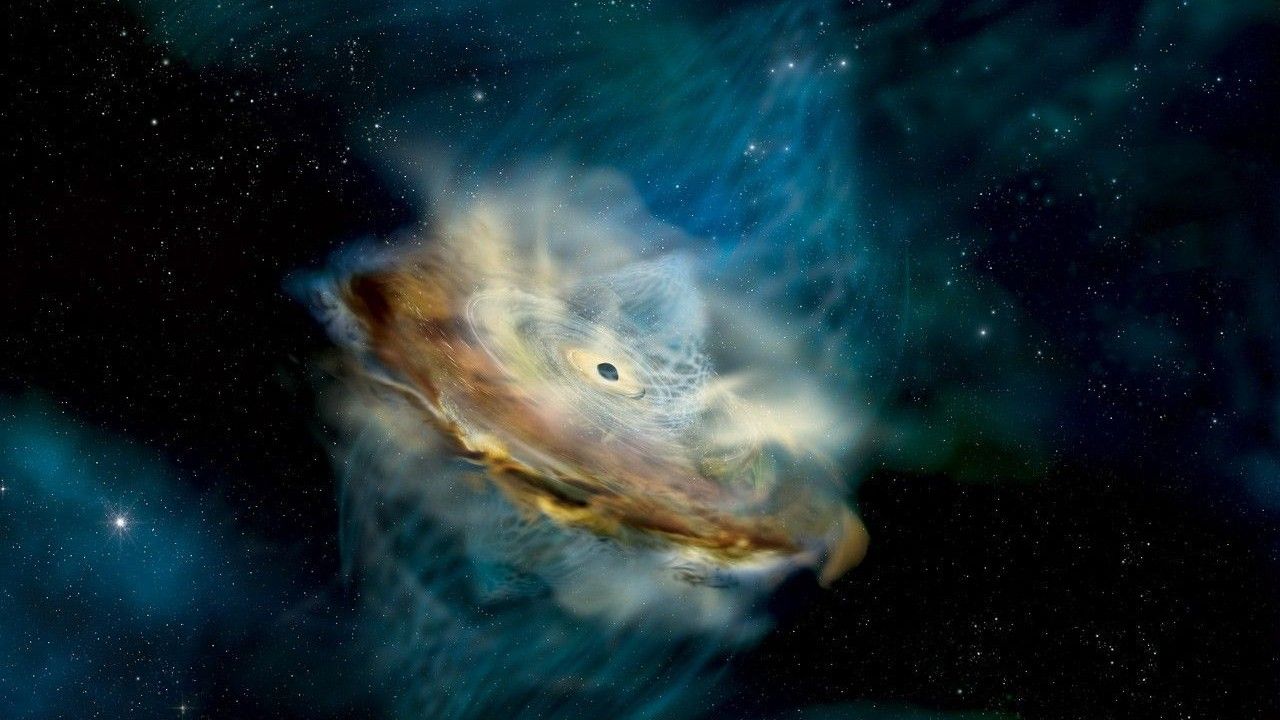
An ancient, fast-feeding quasar is breaking the rules of how black holes consume matter and generate galaxy-shaping jets.
Viewed by
You are the first to view
A Man Pulled a Massive Prehistoric Bone Emerges From a U.S. Riverbed - The Daily Galaxy
2/25/26 at 4:05am

A routine outing by the water turned into something few people ever expect to witness. What emerged from the riverbed was a massive, ancient bone, impossible to ignore.
Viewed by
You are the first to view
Ultrafast quantum chemistry engine could speed up the development of new medicines and materials - Live Science
2/25/26 at 4:05am
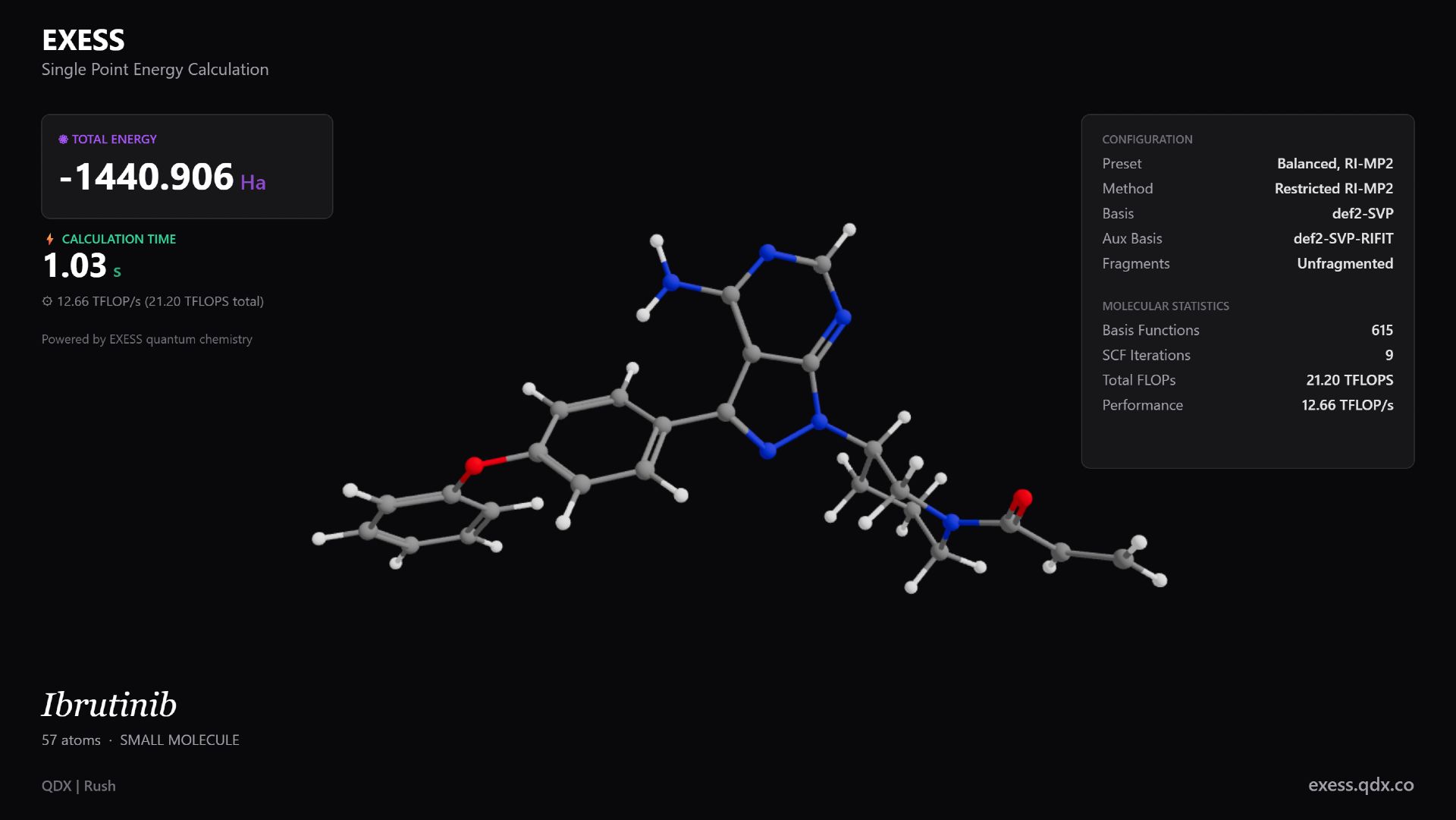
The powerful software can reduce the time needed to simulate reactions with large molecules from weeks to just minutes.
Viewed by
You are the first to view
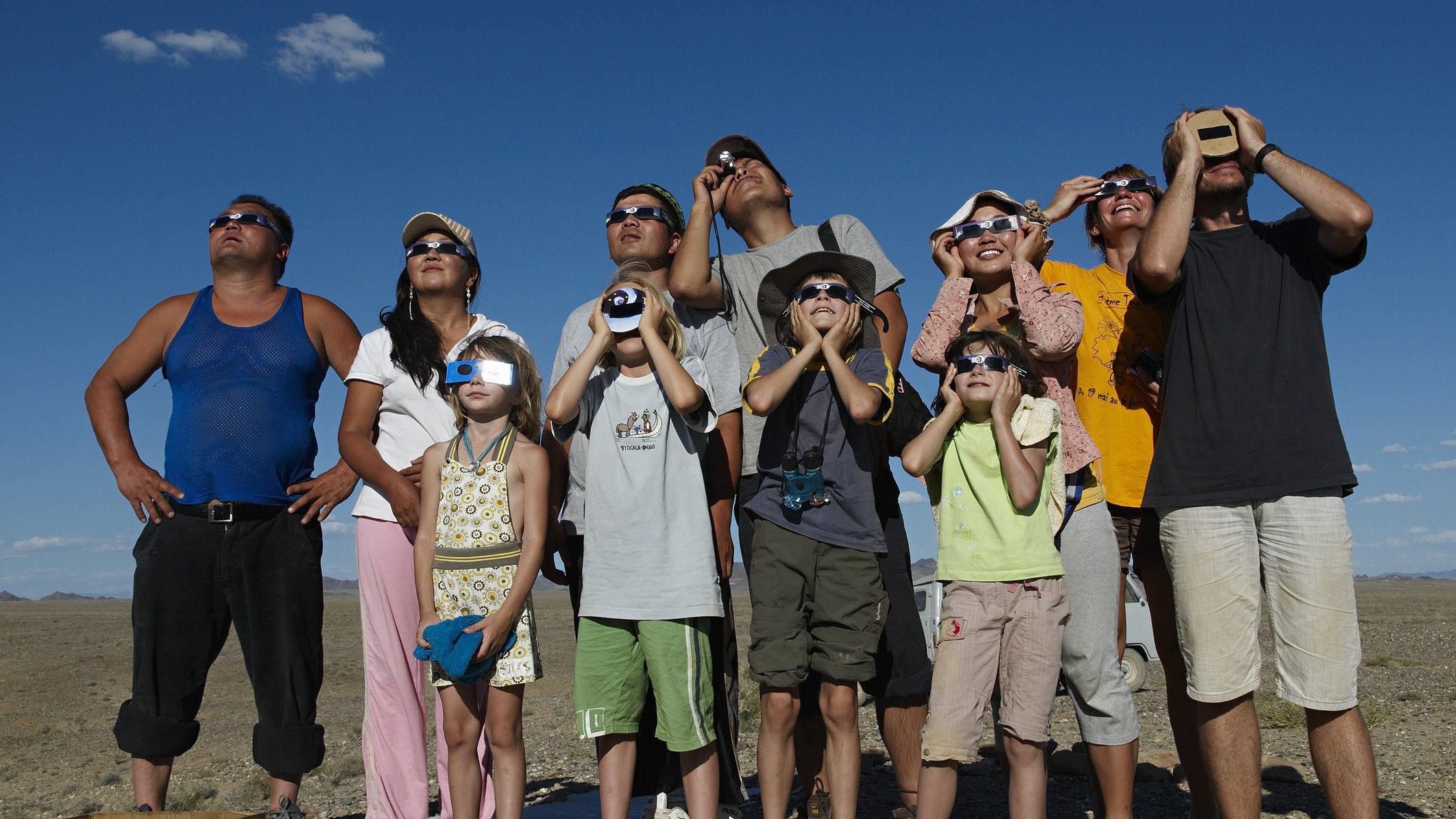
Why do some places wait 1,000 years to see a total solar eclipse while others get two in a decade? The surprising orbital mechanics behind where eclipses happen — and don't.
Viewed by
You are the first to view
Neanderthals Mysteriously Collected Horned Skulls in a Cave, But Why? - ScienceAlert
2/25/26 at 4:05am
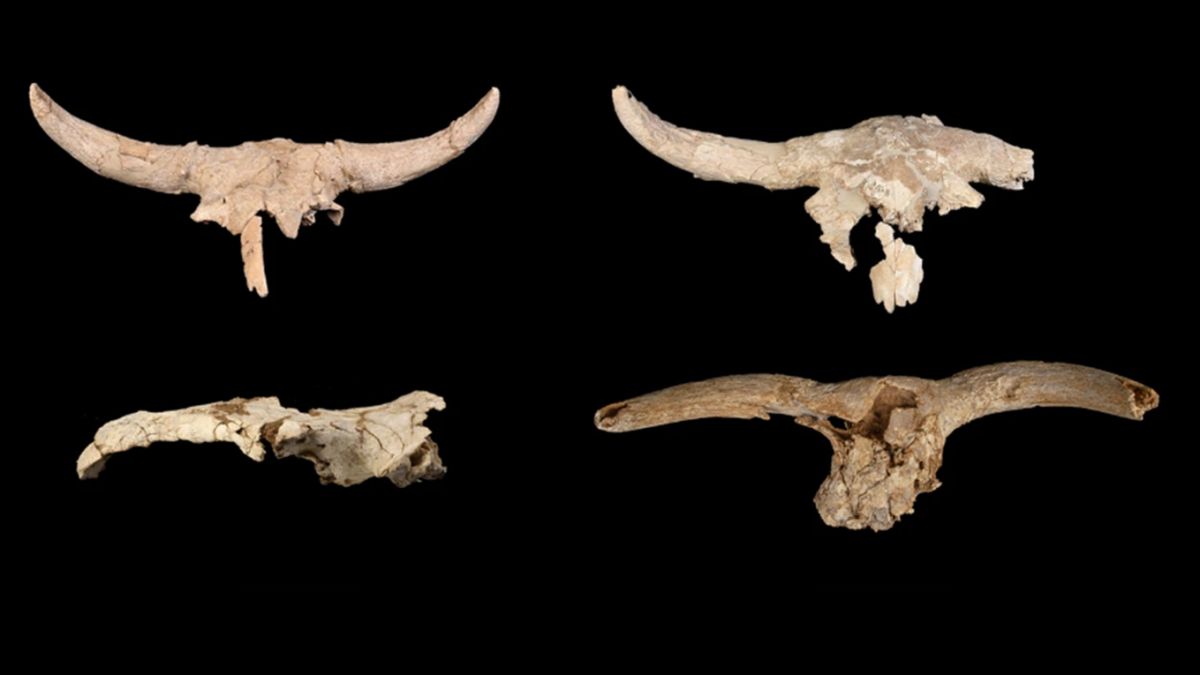
A new investigation of ancient horned animal skulls found in Spain's Des-Cubierta Cave deepens the mystery of when and why Neanderthals put them there.
Viewed by
You are the first to view
A risky maneuver could send a spacecraft to interstellar comet 3I/ATLAS. Here's the plan - Space
2/23/26 at 3:49pm
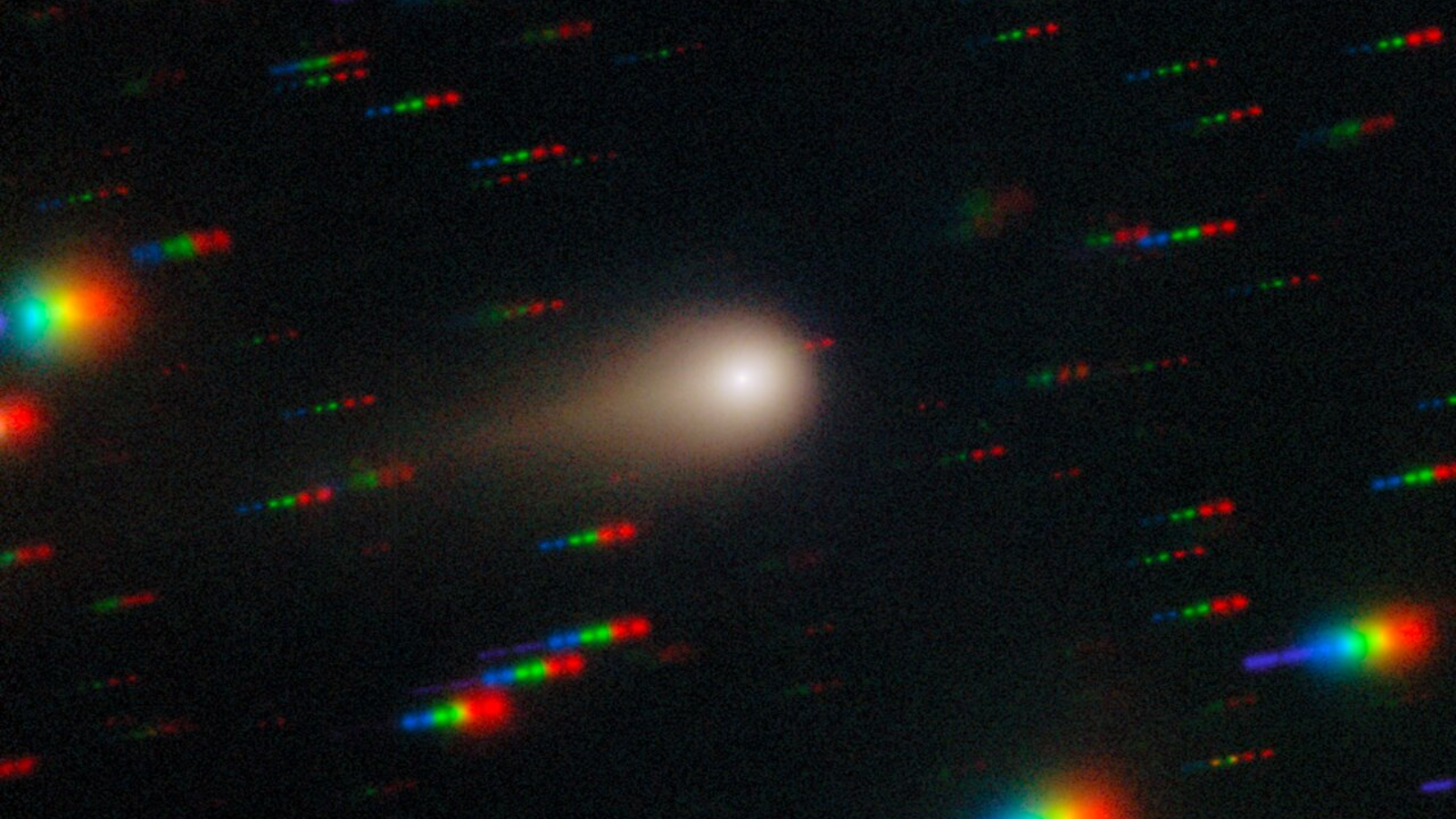
If launched in 2035, a spacecraft performing such a maneuver could fly by 3I/ATLAS by 2085.
Viewed by
You are the first to view
How can deserts form next to oceans? - Live Science
2/25/26 at 4:05am
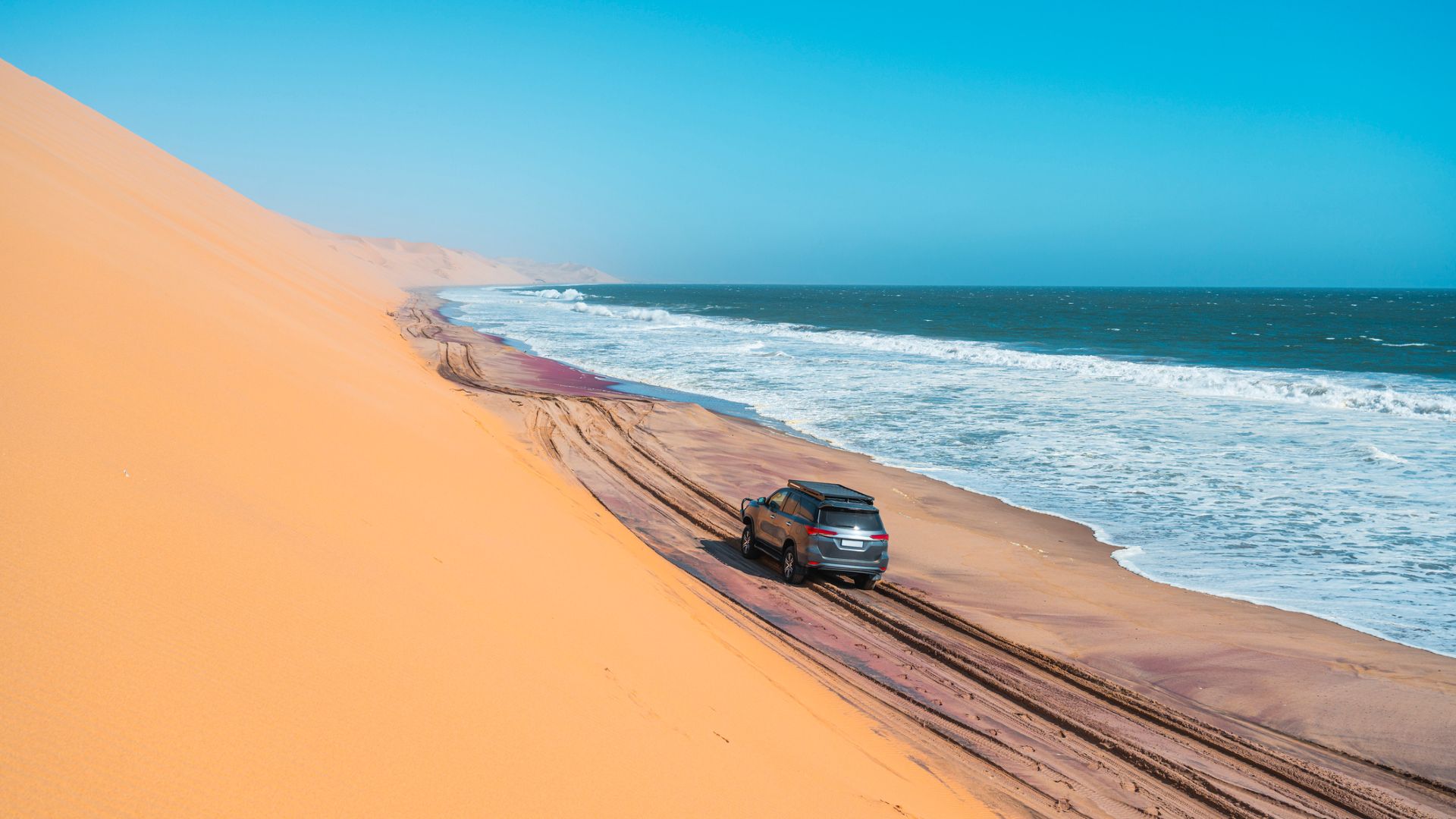
Deserts are notoriously dry, so why do so many of them border oceans?
Viewed by
You are the first to view
Scientists stunned after making grim Antarctic discovery: 'We were very surprised' - Yahoo
2/25/26 at 4:05am

Researchers are working on solutions.
Viewed by
You are the first to view
Falcon 9 rocket sets new reuse record on SpaceX's 2nd Starlink launch of the day - Space
2/23/26 at 3:49pm
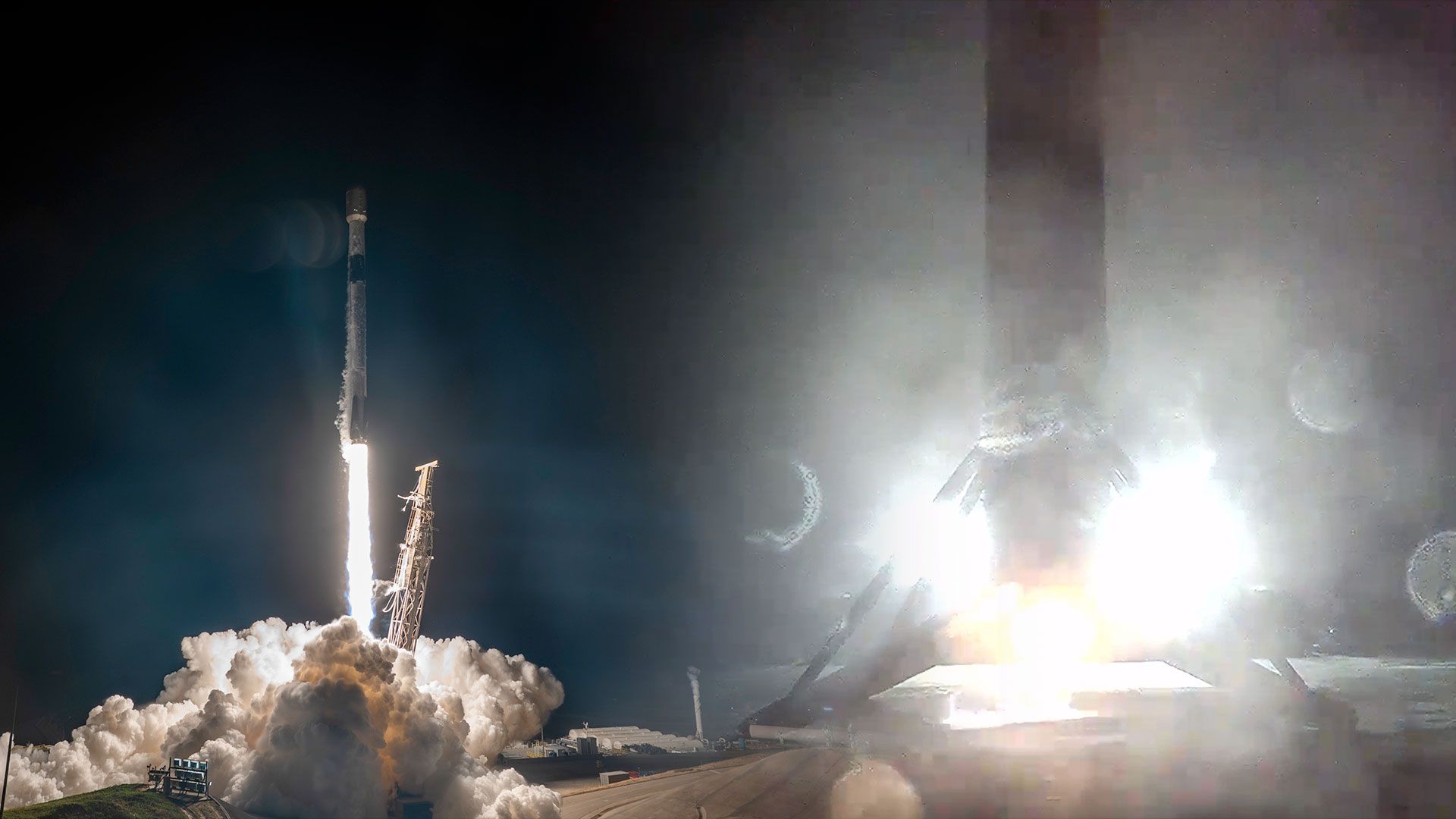
The second of two SpaceX Falcon 9 rockets launched on Saturday (Feb. 21) completed a record-breaking 33rd re-flight.
Viewed by
You are the first to view