- You need to sign in or sign up before continuing.
China`s rover finds geometric shapes under Martian surface - WION
12/2/23 at 11:17am

Chinas rover finds geometric shapes under Martian surface
Viewed by
You are the first to view
Bottlenose Dolphins Can Sense Electricity, Study Finds - Gizmodo
12/2/23 at 11:17pm

New research involving trained zoo dolphins seems to confirm these aquatic mammals can feel electric fields, though some might be better at it than others.
Viewed by
You are the first to view
Less than 6 months from North American total solar eclipse; What to know - WHAS11
12/2/23 at 11:17am
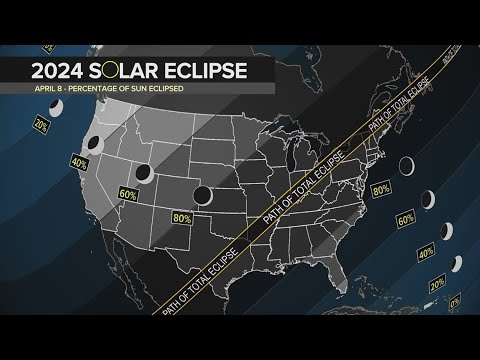
Even though Louisville is not in the path of totality, you won't have to travel far to get the full experience.More on whas11.com------------Follow WHAS11 on...
Viewed by
You are the first to view
Fermi has Found More than 300 Gamma-Ray Pulsars - Universe Today
12/2/23 at 11:17am
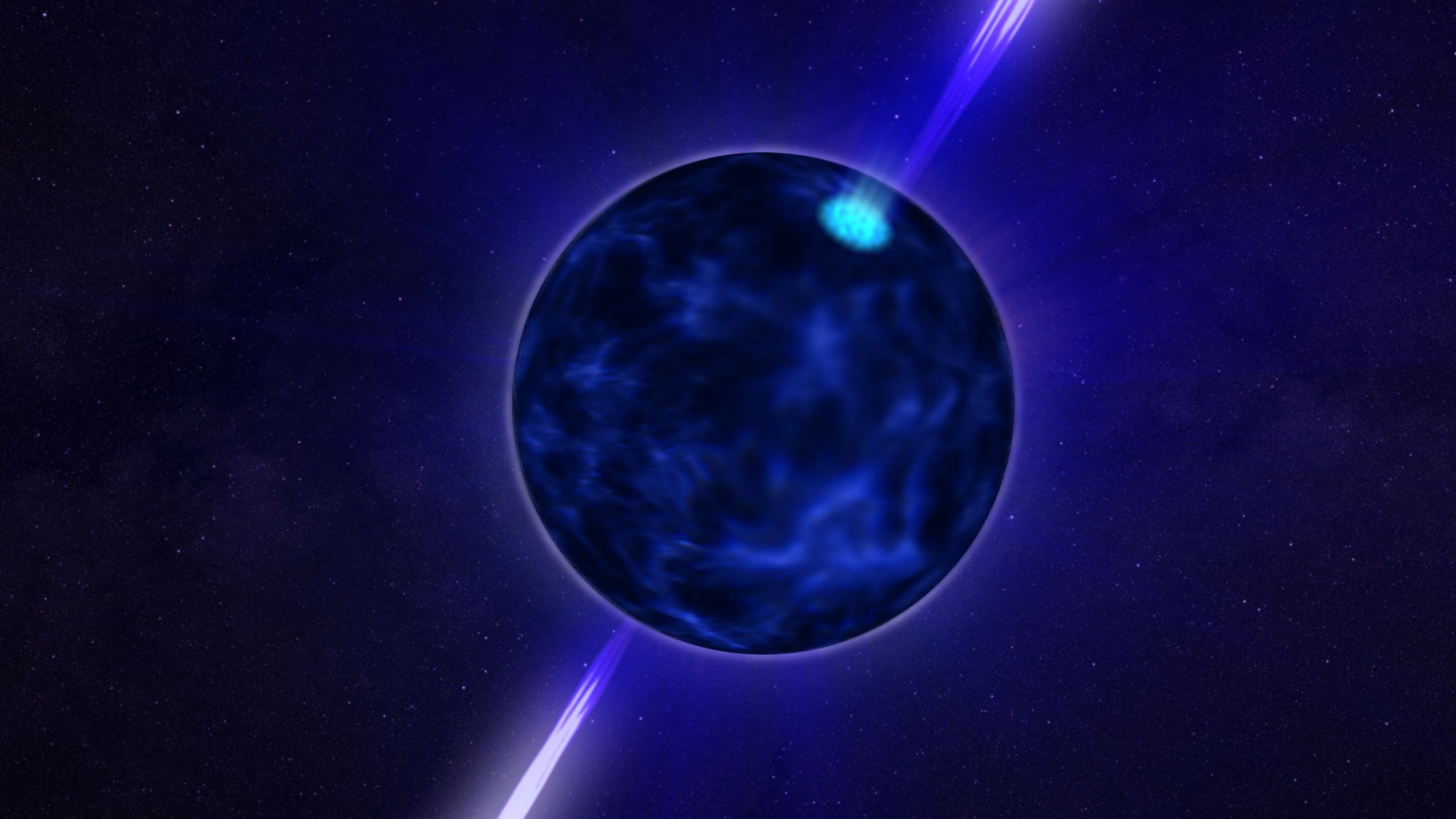
In June 2008, the Gamma-ray Large Area Space Telescope began surveying the cosmos to study some of the most energetic phenomena in the Universe. Shortly after that, NASA renamed the observatory in the Fermi Gamma-ray Space Telescope in honor of Professor Enri…
Viewed by
You are the first to view
Lunar Base Finally Made Permanent? - Giant Freakin Robot
12/2/23 at 11:17am
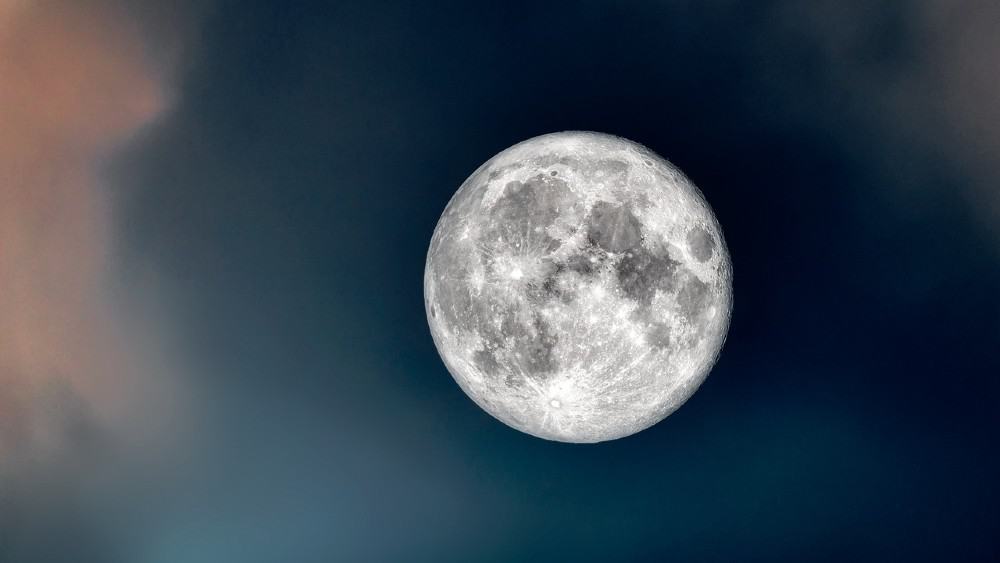
Are we finally looking at a permanent lunar base on the moon? This would be like sci-fi coming to real life.
Viewed by
You are the first to view
SpaceX rockets are punching more holes in Earth's ionosphere. The effects are minimal since they're generally temporary and not harmful to humans.
Viewed by
You are the first to view
ESA Director General: Ariane 6 aiming for summer 2024 debut – Spaceflight Now - Spaceflight Now
12/2/23 at 11:17pm

European Space Agency Director General Josef Aschbacher said Thursday the Ariane 6 is expected to launch for the first time between June 15 and July 31, 2024. The determination comes on the heels of w
Viewed by
You are the first to view
Nuclear-powered Dragonfly mission to Saturn moon Titan delayed until 2028, NASA says - Space.com
12/2/23 at 11:17am
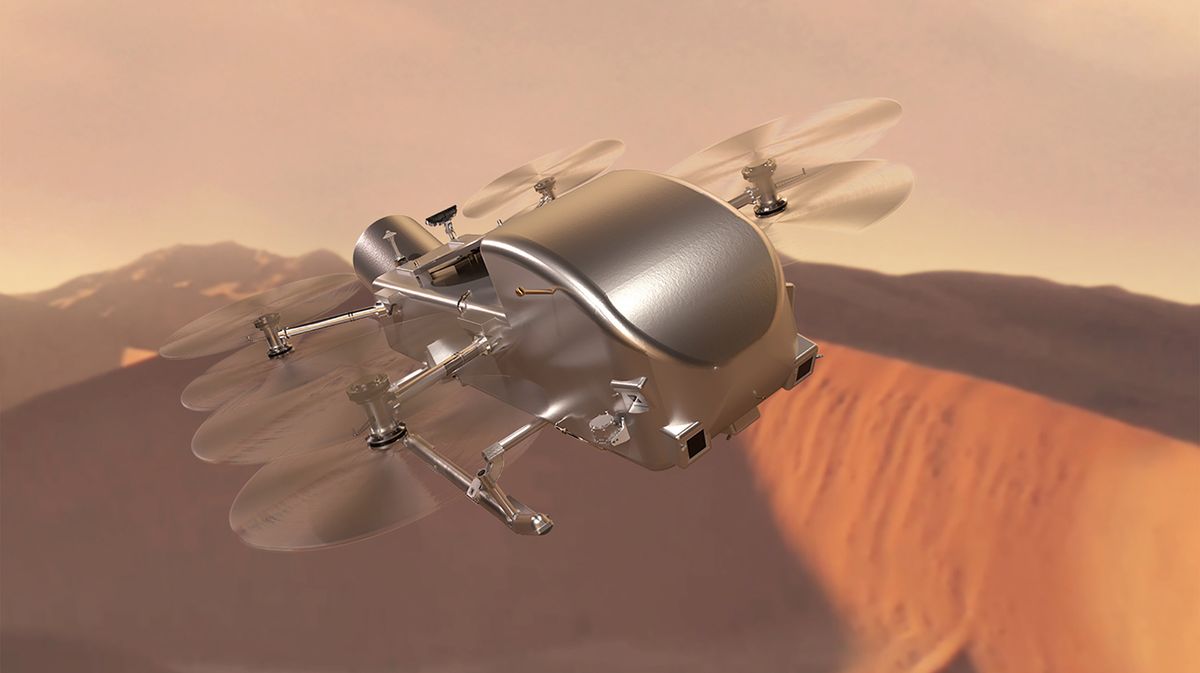
NASA's Dragonfly mission, which will fly over the sands of Titan, a moon of Saturn, is delayed with its next developmental stage pushed back a year and launch set for 2028.
Viewed by
You are the first to view
'Toxic bait' from Indian pitcher plants lures hungry insects to their doom - Science
12/2/23 at 11:17pm
Viewed by
You are the first to view
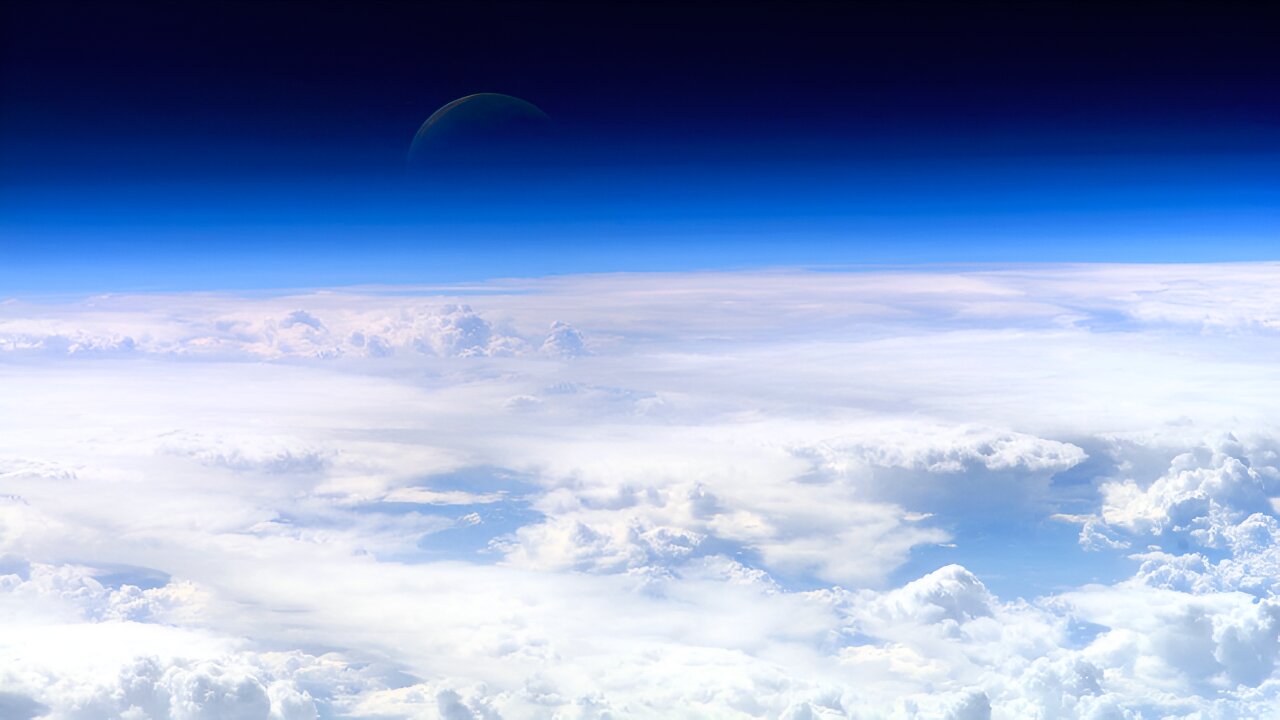
A team of scientists found that carbon dioxide becomes a more potent greenhouse gas as more is released into the atmosphere.
Viewed by
You are the first to view
120 meteors per hour possible as Geminid meteor shower peaks. When and where to look - NBC Chicago
12/2/23 at 11:17am
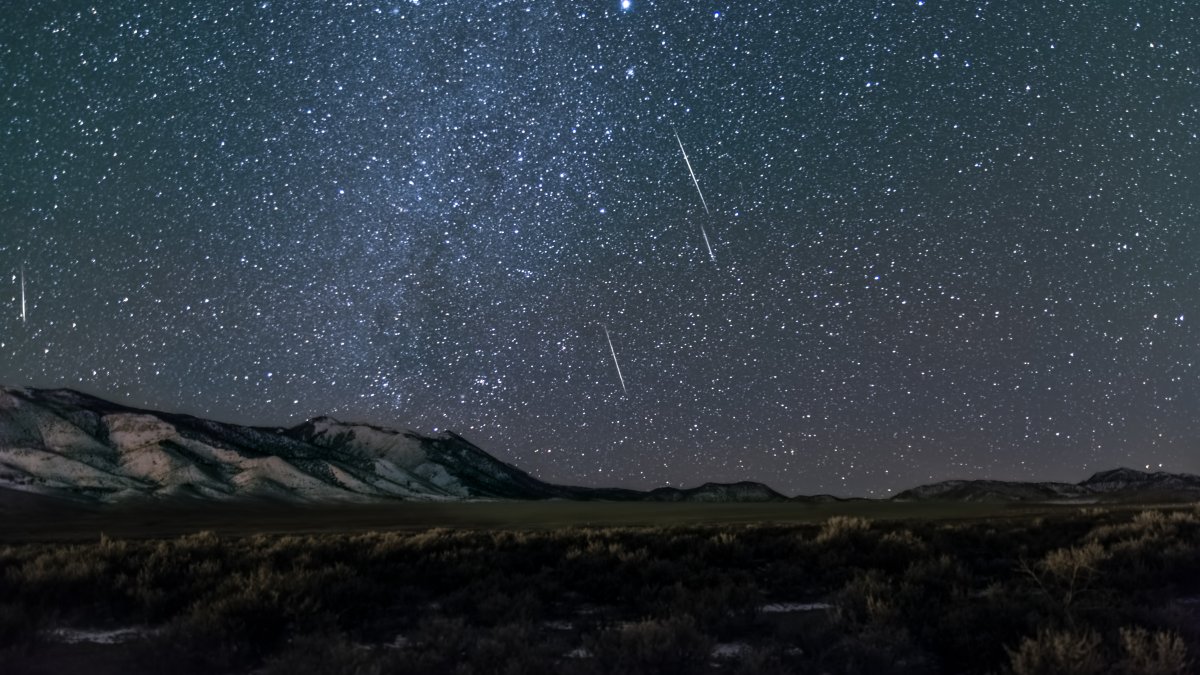
The Geminid meteor shower may have started earlier this month, but it is soon expected to reach its peak, and when it does, it could be one of the best shows in years.
Viewed by
You are the first to view
Here's what astronauts in orbit around Mars would see from their spacecraft - Space.com
12/2/23 at 11:17am
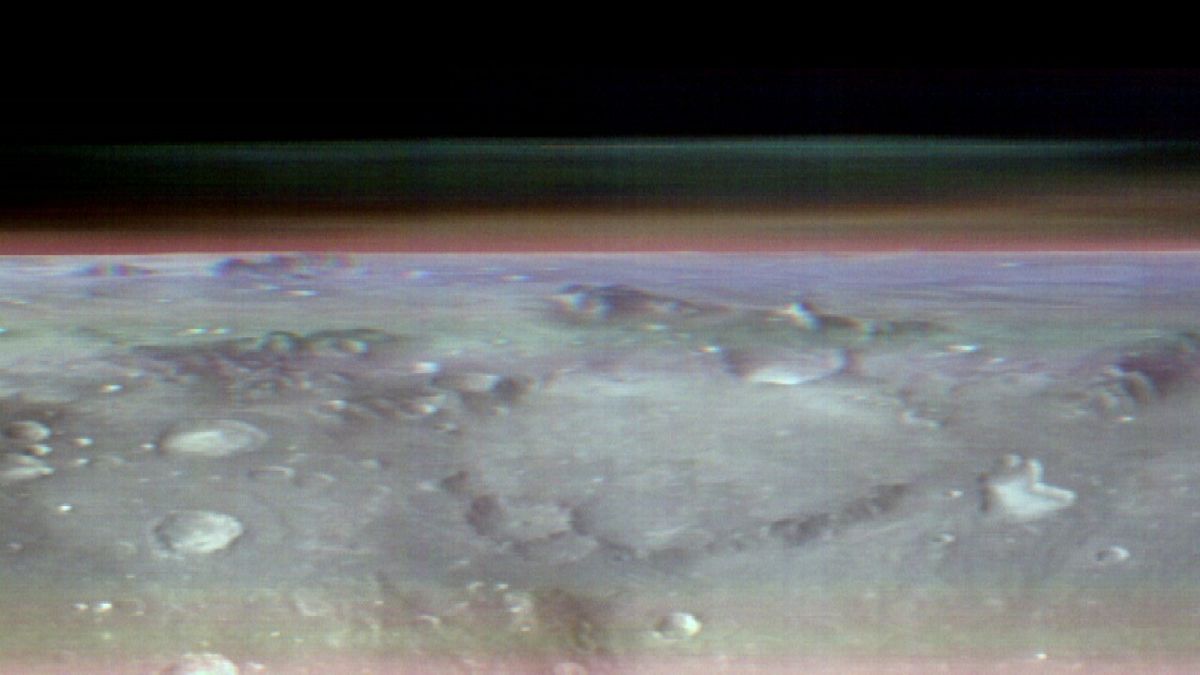
Deep craters and diverse cloud structures are just some of the features astronauts orbiting Mars could expect to see.
Viewed by
You are the first to view
Russian Cargo Ship Set to Dock at International Space Station - CityLife
12/2/23 at 11:17am

Russian Cargo Ship Set to Dock at International Space Station - CityLife
Viewed by
You are the first to view
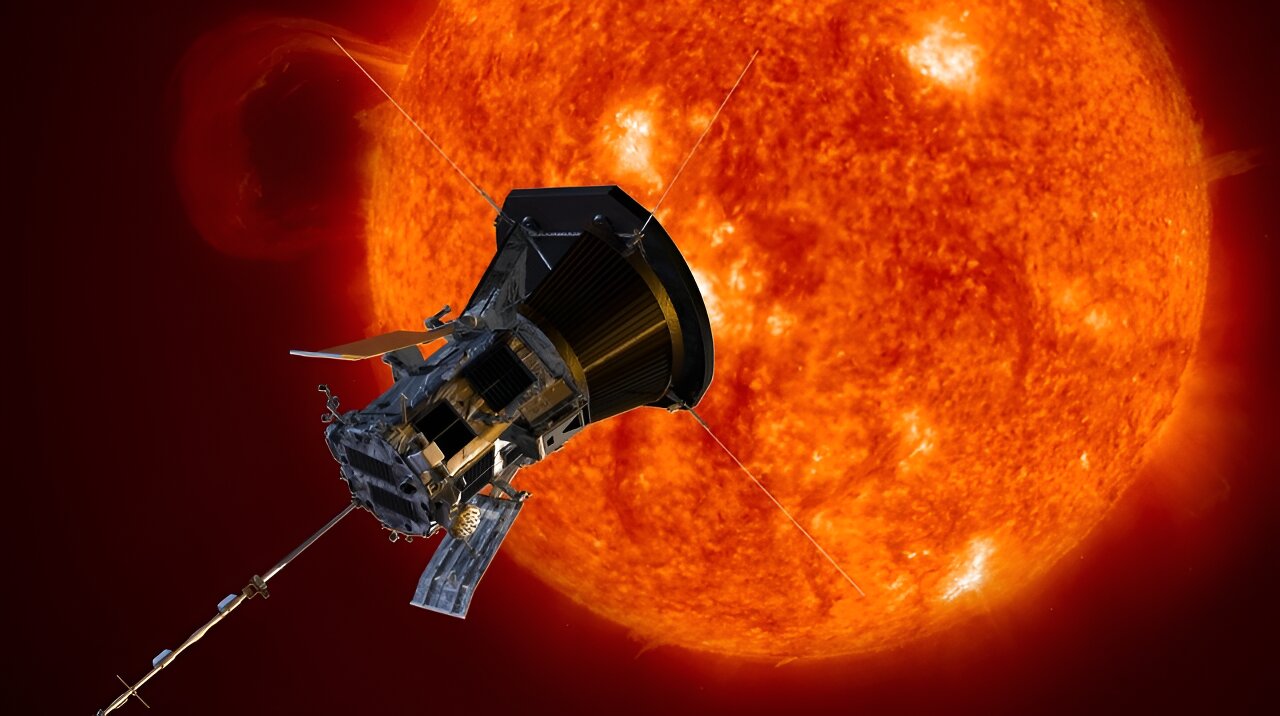
A new study develops a theory of how magnetic switchbacks are formed around the sun. This quantitative model can be used to predict magnetic field variations and potentially explain the heating and acceleration of the solar wind.
Viewed by
You are the first to view
Blue Origin nearing New Glenn milestones ahead of debut flight - NASASpaceFlight.com - NASASpaceflight.com
12/2/23 at 11:17am

As 2023 nears its close, there has been a large increase in publicly visible movement…
Viewed by
You are the first to view
NASA shuttle astronaut, scientist Mary Cleave remembered as 'trailblazer' - UPI News
12/2/23 at 11:17am

NASA Thursday is remembering retired astronaut Mary Cleave, the first woman associate administrator for NASA's Science Mission Directorate, who died Nov. 27 at 76.
Viewed by
You are the first to view
Watch a Russian Progress cargo spacecraft launch to the ISS live on Dec. 1 - Space.com
12/2/23 at 11:17pm
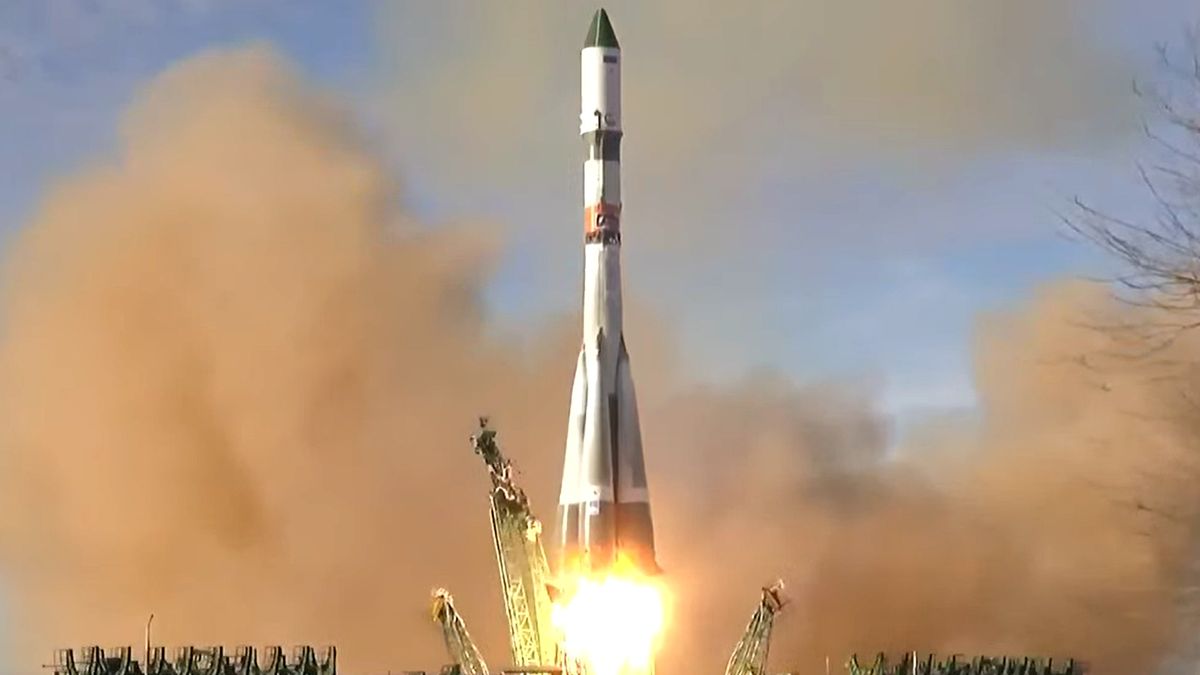
Thousands of pounds of cargo are bound for the International Space Station.
Viewed by
You are the first to view
Research suggests sentinel warning calls may be universally understood across continents - Phys.org
12/2/23 at 11:17pm

Animals often use vocalizations to warn of nearby danger to others. While this information is generally intended for members of the same species, other species can eavesdrop on the warnings to use the information for their own benefit. Sentinels are animals t…
Viewed by
You are the first to view
In a first, scientists discover planet-forming disk beyond Milky Way - WION
12/1/23 at 11:17pm

In a first, scientists discover planet-forming disk beyond Milky Way
Viewed by
You are the first to view
Mary Cleave, the first woman to fly on NASA’s space shuttle after Challenger disaster, dies at 76 - CNN
12/1/23 at 11:17am
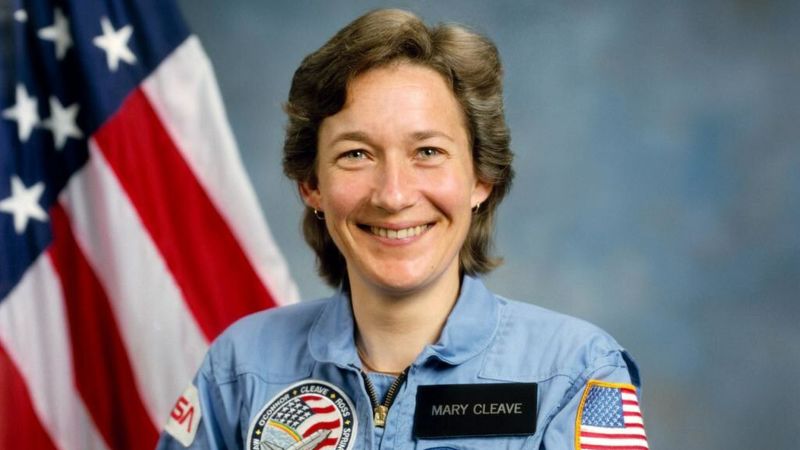
Mary Cleave, the NASA astronaut who in 1989 became the first woman to fly on a space shuttle mission after the Challenger disaster, has died, the space agency announced.
Viewed by
You are the first to view
Viewed by
You are the first to view

A new study suggests that massive volcanic eruptions in India killed off the dinosaurs by causing drops in global temperature.
Viewed by
You are the first to view
Sex advice: My husband just suggested we try an off-limits fantasy. I'm reeling. - Slate
12/2/23 at 11:17pm

I thought it was just dirty talk.
Viewed by
You are the first to view
Gamma-ray burst from distant supernova creates unprecedented ionospheric disturbance on earth - IndiaTimes
12/1/23 at 11:17pm

Science News: A gamma-ray burst (GRB) called GRB 221009A, originating from a supernova explosion, has impacted Earth's ionosphere. This event challenges the assumpt
Viewed by
You are the first to view
Discovery of planet too big for its sun throws off solar system formation models - Phys.org
12/1/23 at 11:17pm
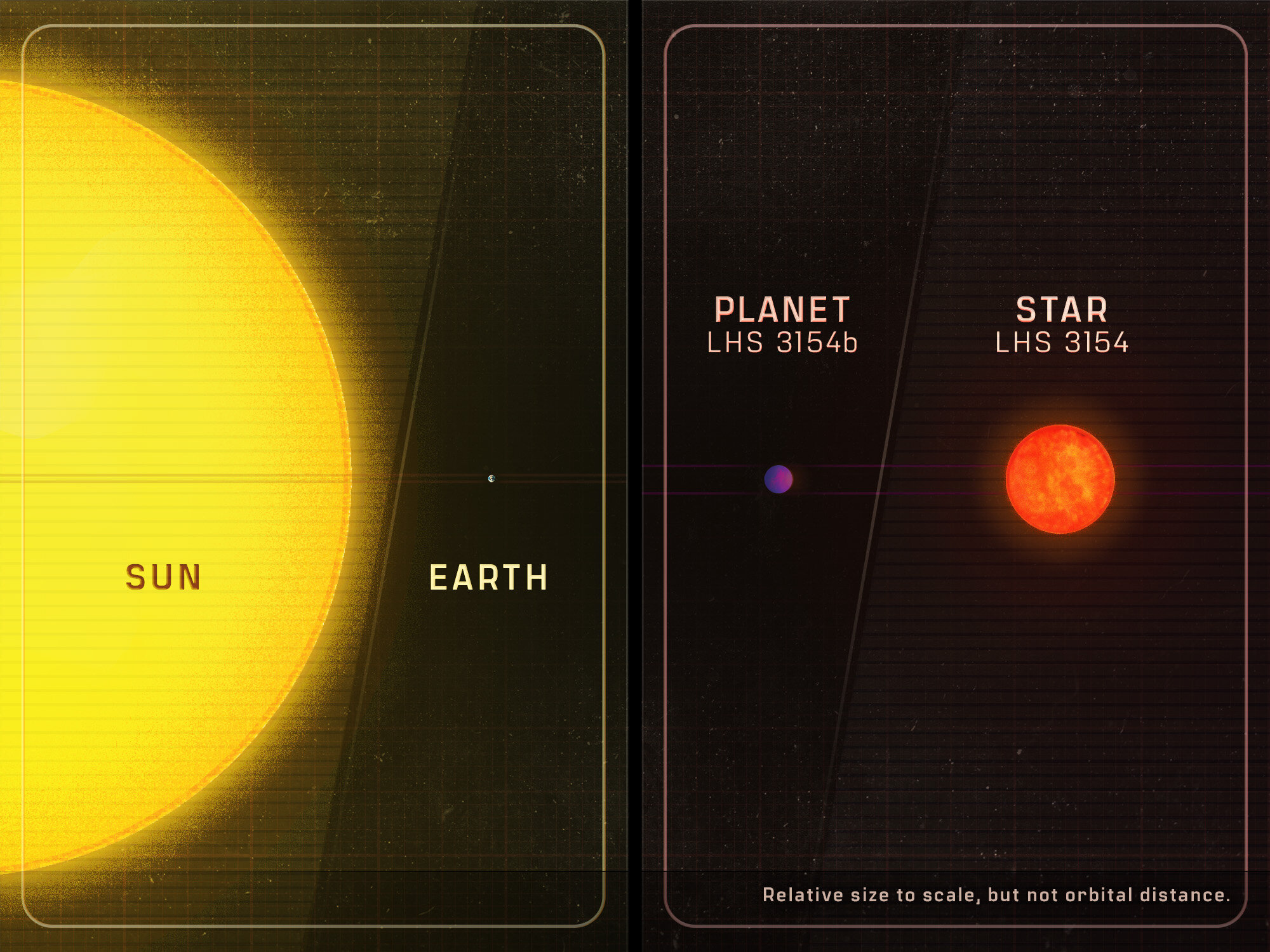
The discovery of a planet that is far too massive for its sun is calling into question what was previously understood about the formation of planets and their solar systems, according to Penn State researchers.
Viewed by
You are the first to view