The Rubin Observatory Could Discover Corner Reflectors or Artificial Lights in the Outer Solar… - Avi Loeb – Medium
3/7/26 at 5:42am

A week ago, the Rubin Observatory initiated the release of its much-anticipated flood of data from its 3.2 gigapixel camera (as announced…
Viewed by
You are the first to view
The Southern Indian Ocean Is Losing Salt at an Astonishing Speed in One of Earth’s Saltiest Regions - Indian Defence Review
3/7/26 at 5:42am

A long-term study uncovers a massive freshwater influx transforming the Southern Indian Ocean and reshaping how scientists understand global ocean circulation.
Viewed by
You are the first to view
Scientists Reconstruct The Face of a 3.7-Million-Year-Old Human Relative - ScienceAlert
3/7/26 at 5:42am
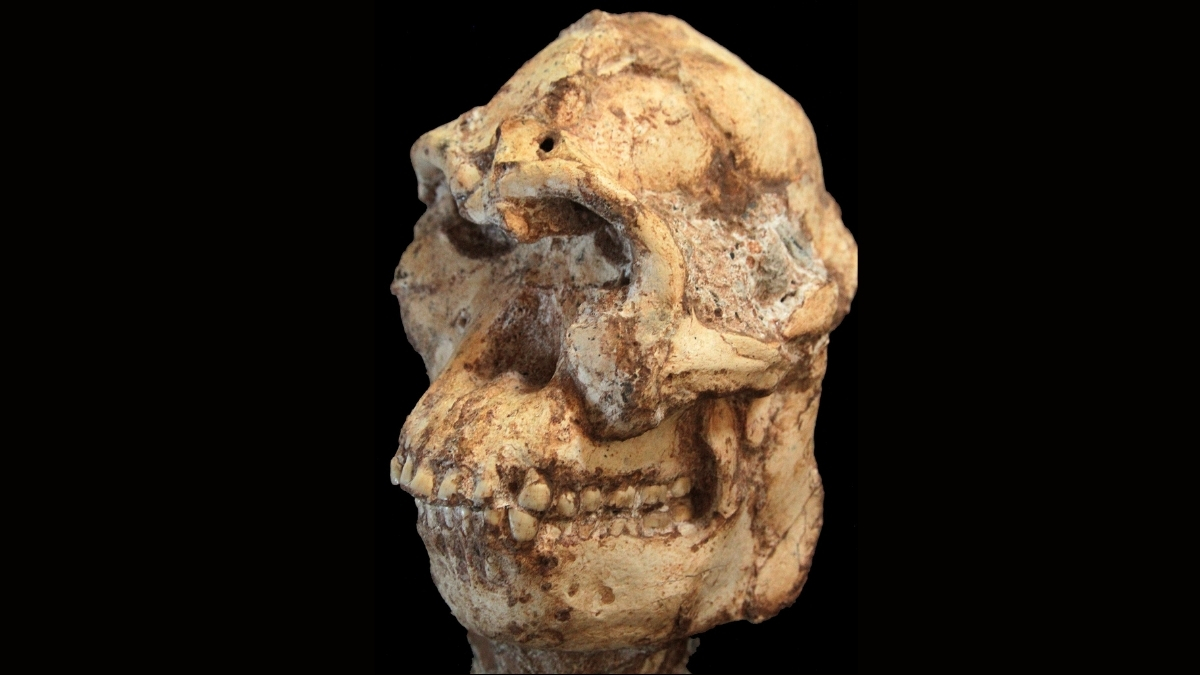
Scientists have reconstructed the face of one of the most famous hominin fossils.
Viewed by
You are the first to view
The Rubin Observatory will change the game for astronomy — if satellite companies don't get in the way - Space
3/7/26 at 5:42am
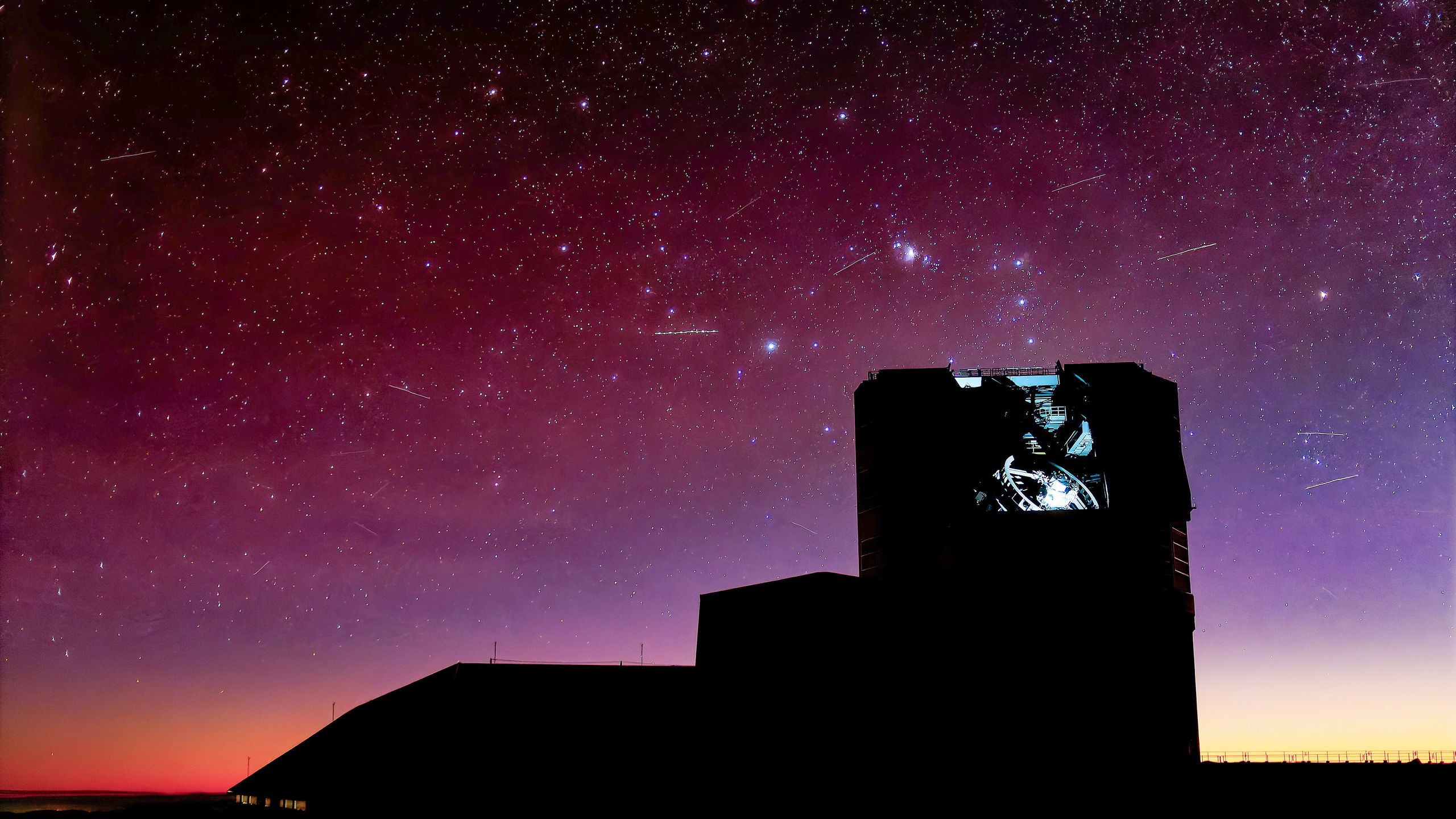
"Every night — every minute — is precious."
Viewed by
You are the first to view

Electrons can be "kicked across" solar materials at almost the fastest speed nature allows, scientists have discovered, challenging long-held theories about how solar energy systems work. The finding could help researchers design more efficient ways of harves…
Viewed by
You are the first to view
Astronomers Spot a Record-Breaking 'Space Laser' 8 Billion Light-Years Away - ScienceAlert
3/7/26 at 5:42am
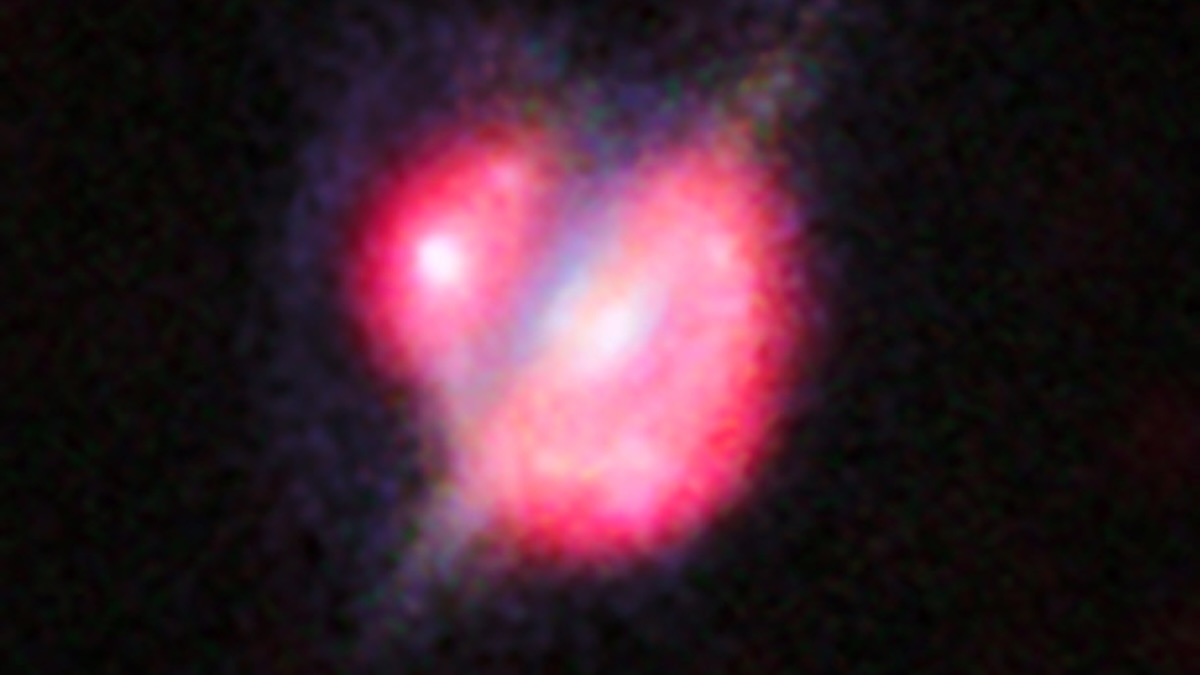
Despite sounding like something out of pulpy '50s sci-fi, 'space lasers' are real – and astrophysicists have now spotted the brightest and most distant one yet.
Viewed by
You are the first to view
Continent-sized 'islands' found inside Earth are 100 times taller than Mount Everest - Earth.com
3/7/26 at 5:42am
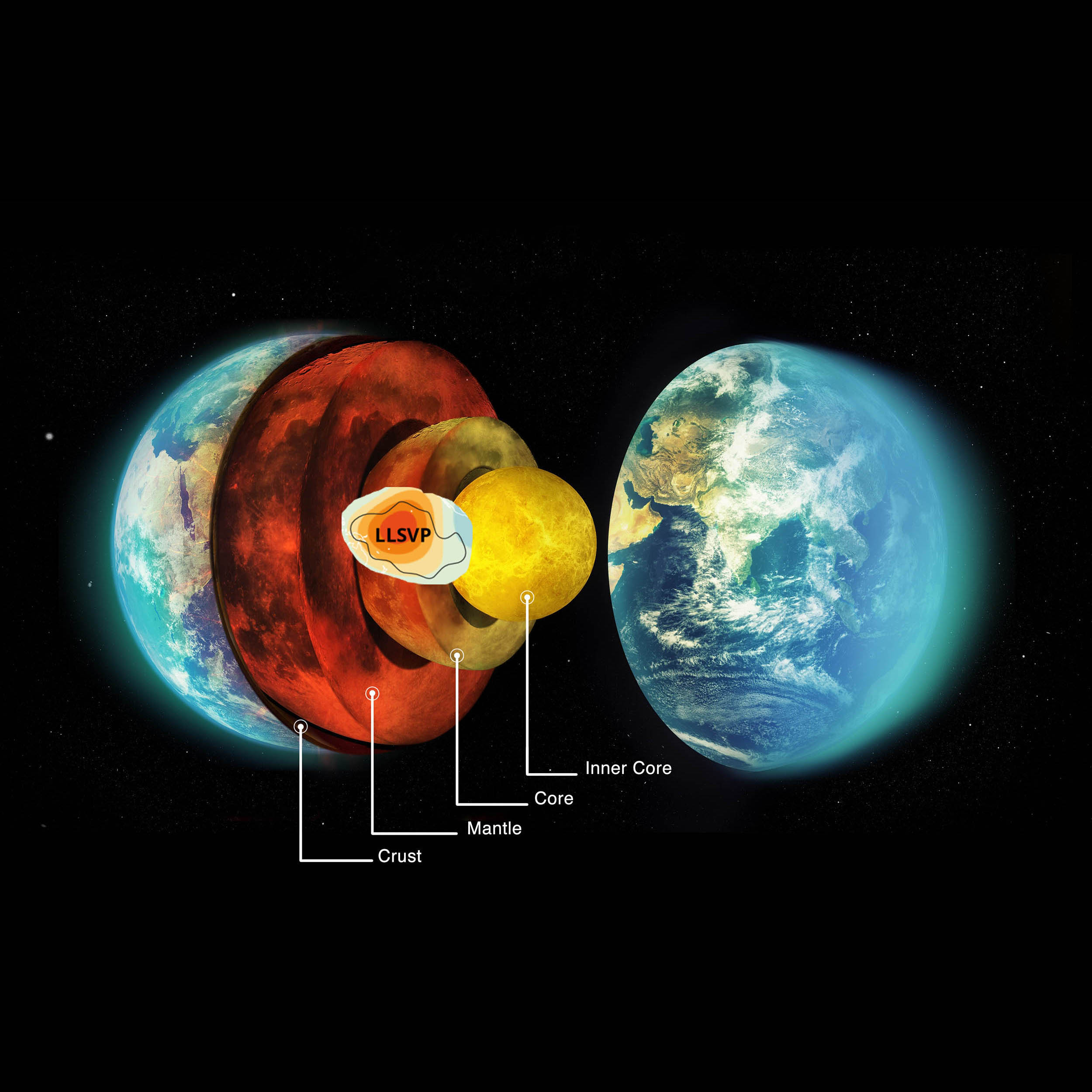
Deep within Earth’s mantle lie two enormous regions, often referred to as "islands," which are the size of continents.
Viewed by
You are the first to view

NOAA is forecasting a G1-class geomagnetic storm on Thursday, March. 5, through Friday, March 6, with the aurora borealis possible from northern U.S. states and Canada.
Viewed by
You are the first to view
NASA finds source of Artemis II problem that forced rollback from the launch pad - Phys.org
3/7/26 at 5:42am
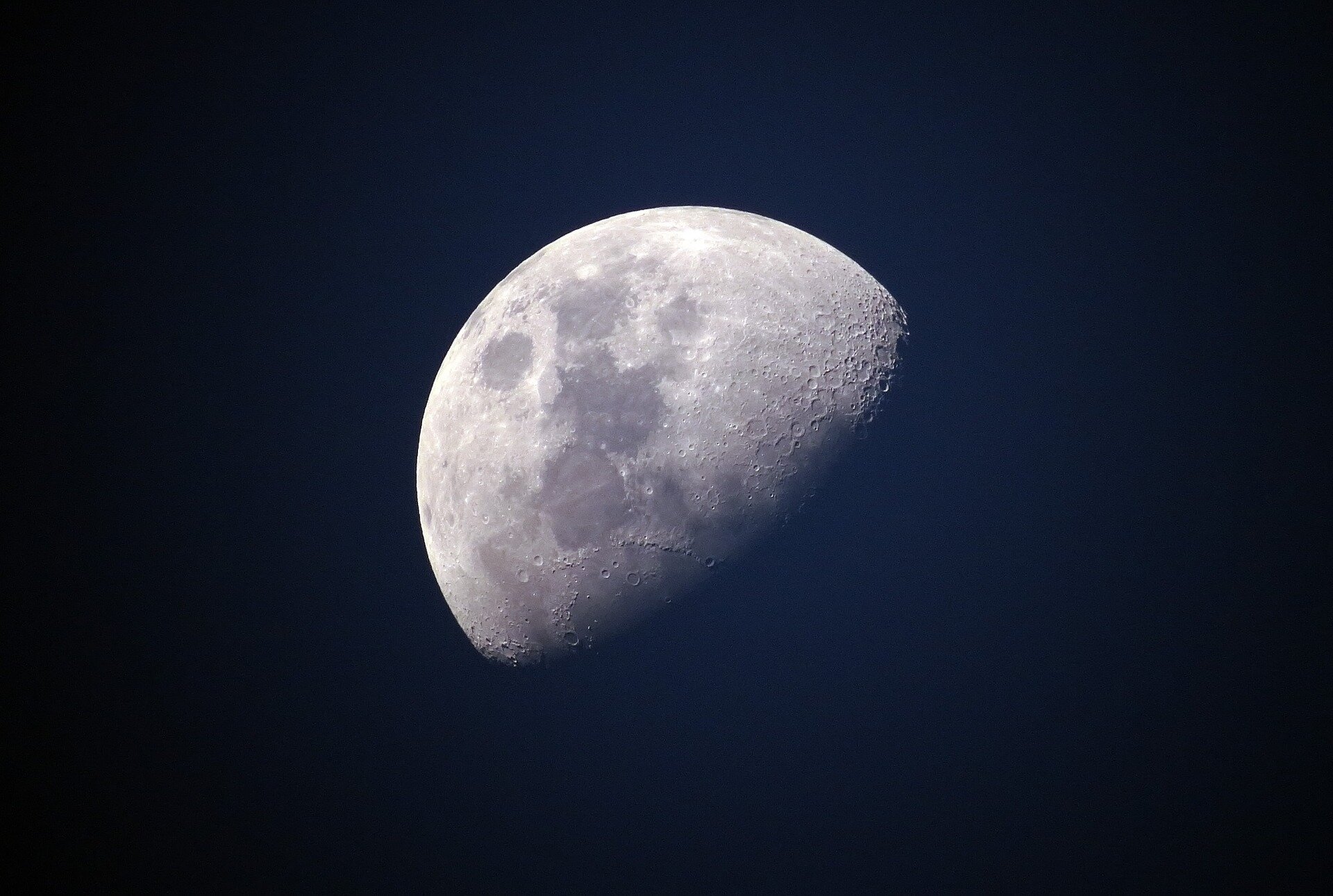
NASA announced it had found the source of a helium flow blockage that forced it to roll the Artemis II rocket back from the launch pad at Kennedy Space Center and delay its lunar fly-by mission until at least April.
Viewed by
You are the first to view
From water splitting to H₂O₂: A new method narrows carbon nitride photocatalyst design - Phys.org
3/7/26 at 5:42am

Photocatalysis promises an efficient conversion of abundant solar energy into usable chemical energy. Polyheptazine imides have some key structural and functional twists that make them especially interesting for photocatalysis. So far, there is only limited k…
Viewed by
You are the first to view
Scientists discover a spider with a 'pearl necklace' that turned out to be a new parasite - Earth.com
3/7/26 at 5:42am
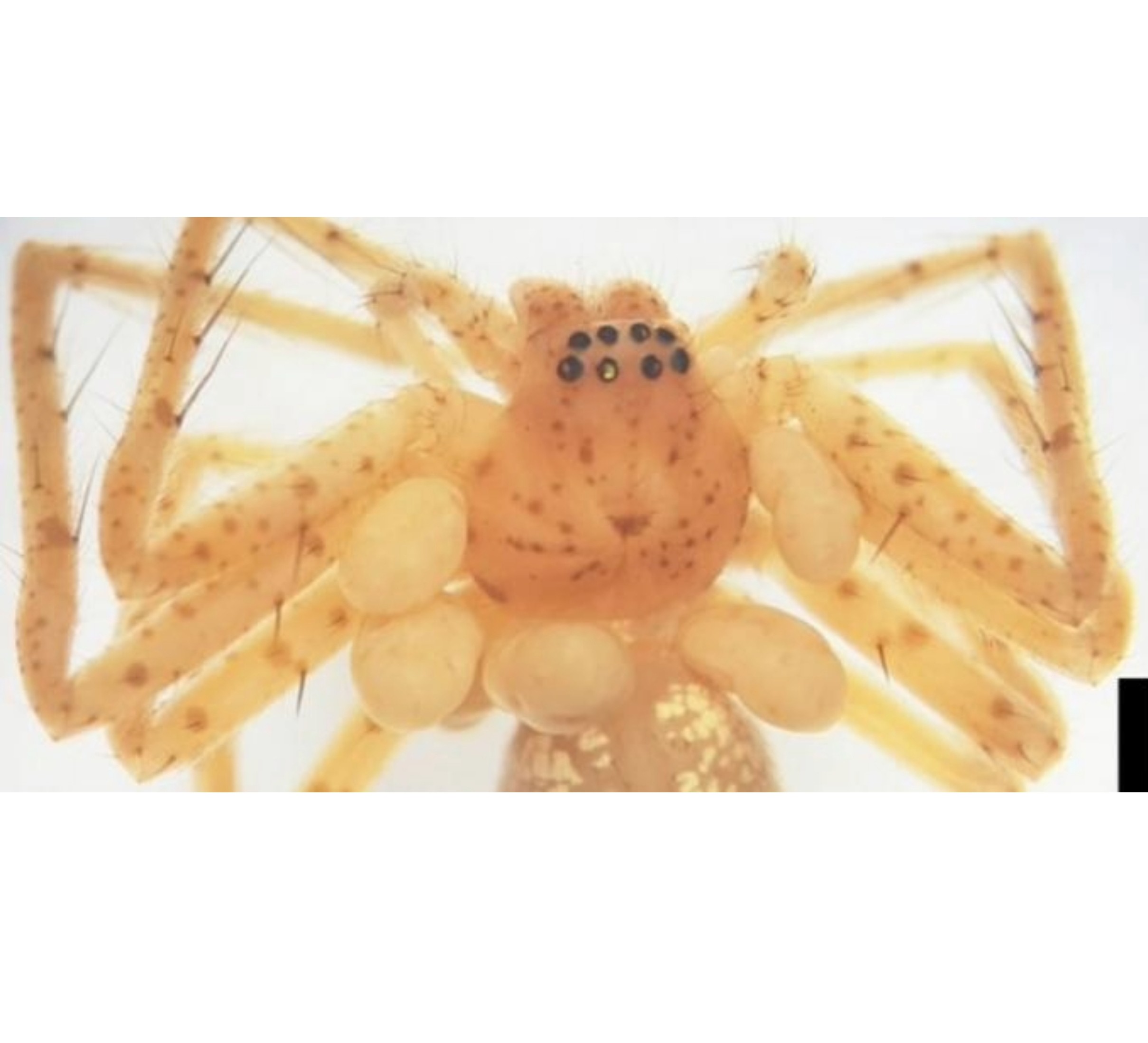
Brazil's Butantan Institute identified a new mite larvae, Araneothrombium brasiliensis, feeding on a spider in a museum specimen case.
Viewed by
You are the first to view
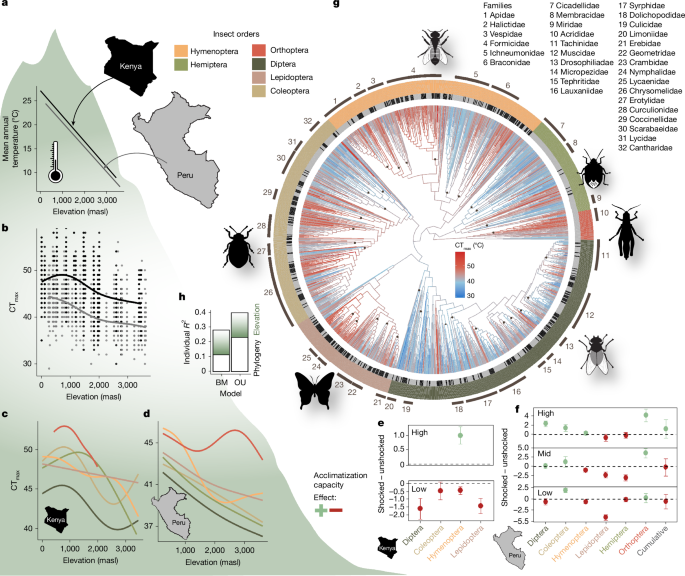
A survey of tropical insect populations and thermal tolerance limits indicates that species from lowland areas have low capacity to survive increased temperatures, and that thermal tolerance is limited by fundamental properties of protein architecture.
Viewed by
You are the first to view
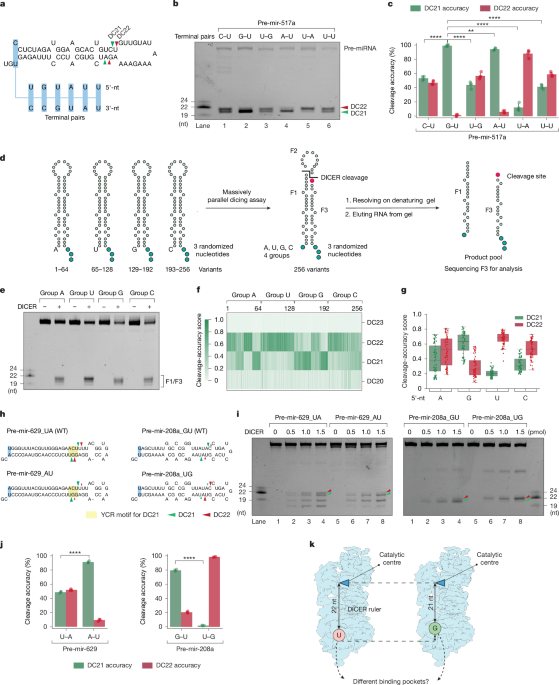
Cryo-electron microscopy and massively parallel assays shed light on the mechanism by which DICER, a key enzyme in the RNase III family, cleaves RNA at precise locations to produce small RNAs.
Viewed by
You are the first to view
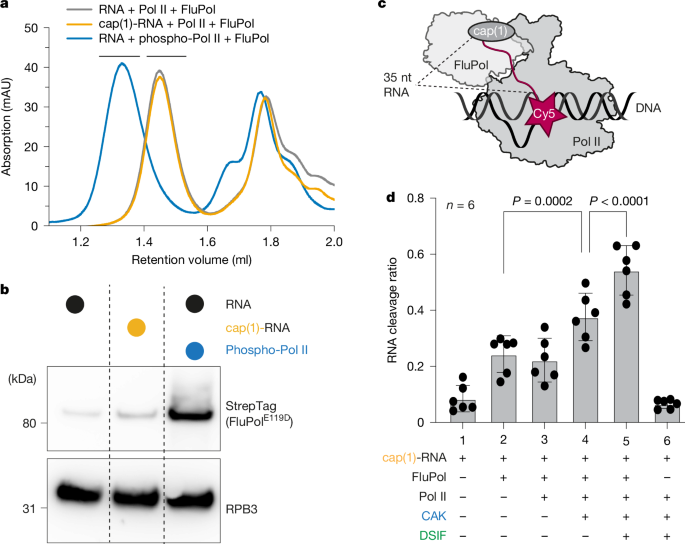
Structural and biochemical studies of influenza virus RNA-dependent RNA polymerase (FluPol) in complex with transcribing host RNA polymerase II reveal the molecular mechanisms of RNA cap snatching by FluPol.
Viewed by
You are the first to view
The molecular basis of force selectivity by PIEZO2 - Nature
3/7/26 at 5:42am
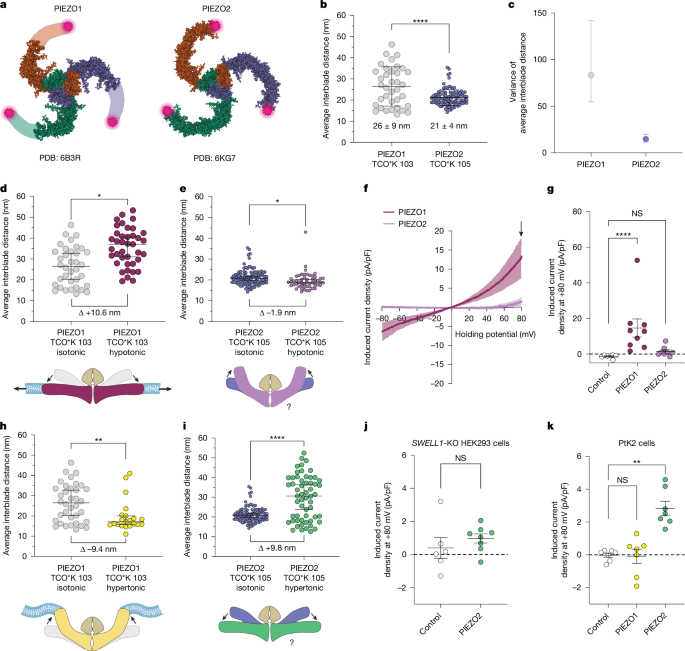
PIEZO2 is intrinsically more rigid than PIEZO1, and disparate mechanical stimuli paradoxically evoke opposite conformational and gating responses in each channel.
Viewed by
You are the first to view
System can identify genes, regulatory sequences, splice sites, and more.
Viewed by
You are the first to view
'War of the Worlds' in reverse? Mars dirt could help fight off a microbial invasion from Earth - Space
3/7/26 at 5:42am
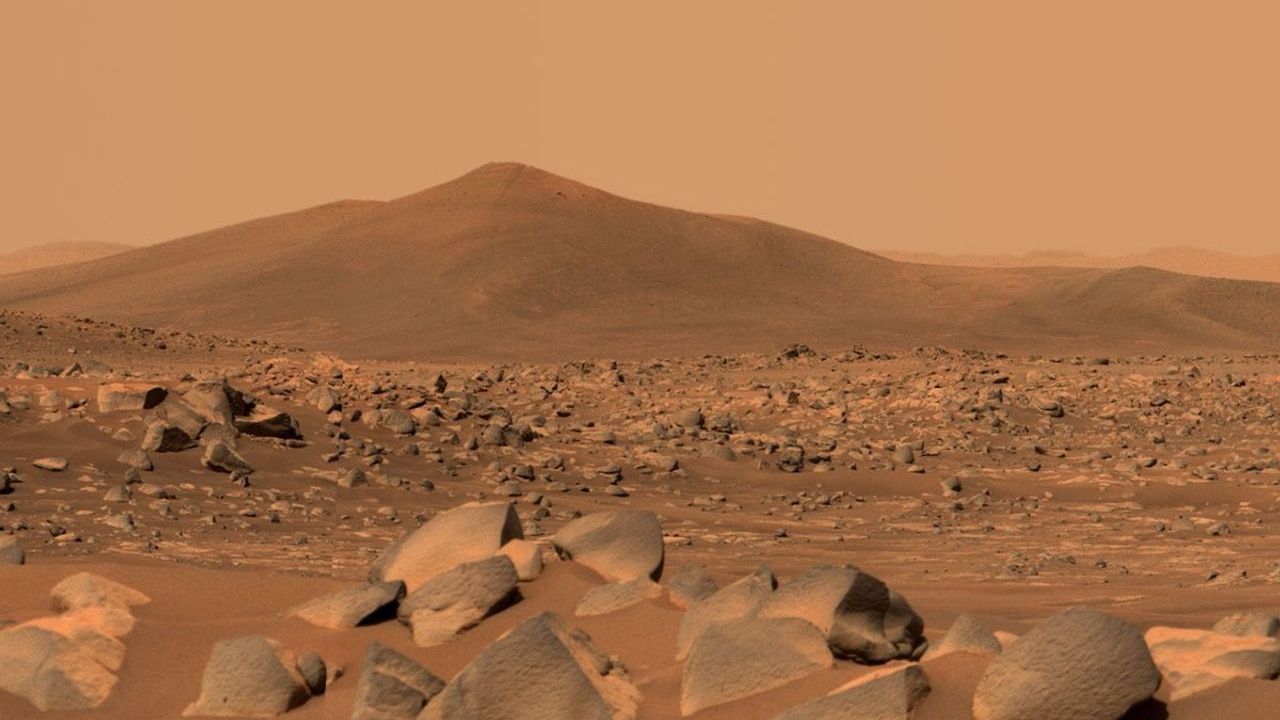
And it looks like the toxicity can be washed out, meaning it may be possible to cleanse Mars dirt for crop-growing duty.
Viewed by
You are the first to view
China to test capsule further, attempt booster recoveries on land and sea - NASASpaceFlight.com -
3/7/26 at 5:42am

China is set to perform additional testing of its Mengzhou crew capsule following a successful…
Viewed by
You are the first to view

Scientists are trying to understand how complex life emerged on Earth about 2 billion years ago. Our microbial ancestors could be the key.
Viewed by
You are the first to view
Which animal will replace humans as Earth’s dominant species? Scientists think they know - Earth.com
3/7/26 at 5:42am
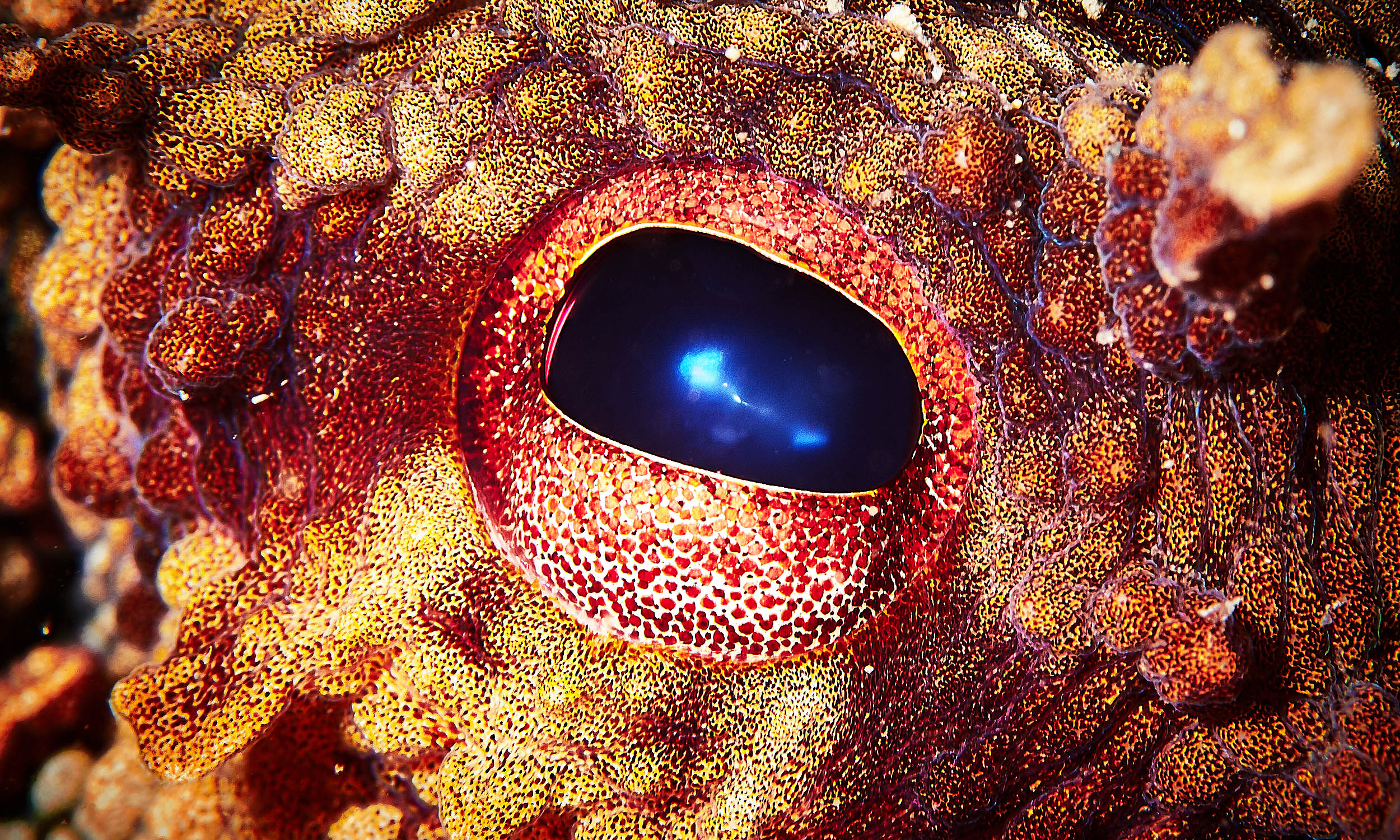
Human beings have been at the center of ecological change on Earth for thousands of years. But as history shows, no species lasts forever.
Viewed by
You are the first to view

VANCOUVER — British Columbians took to social media Tuesday evening to share sightings of a bright fireball in the night sky over Vancouver and a house...
Viewed by
You are the first to view

Stanford researchers have combined two microscopy techniques to create a one-of-a-kind instrument that can show cell structures interacting in real time at an unprecedented 120-nanometer resolution—the highest achieved without the use of fluorescent labels. T…
Viewed by
You are the first to view
6-Million-Year-Old Meteorite Strike Created a Massive Field of Natural Glass in Brazil - Gizmodo
3/7/26 at 5:42am

The crater left behind from the impact has yet to be found.
Viewed by
You are the first to view
Scientists Discover a Never-Before-Seen Animal Living Deep Inside the Salty Sediments of Great Salt Lake - The Daily Galaxy
3/7/26 at 5:42am

A newly documented microscopic animal in Great Salt Lake sediments reveals a hidden layer of life scientists had completely overlooked.
Viewed by
You are the first to view

New 3D reconstructions of a key sensory organ in ctenophores reveal an unexpected structural and functional complexity. The findings suggest that an elementary brain may have already appeared in our most ancient relatives, reshaping our understanding of nervo…
Viewed by
You are the first to view